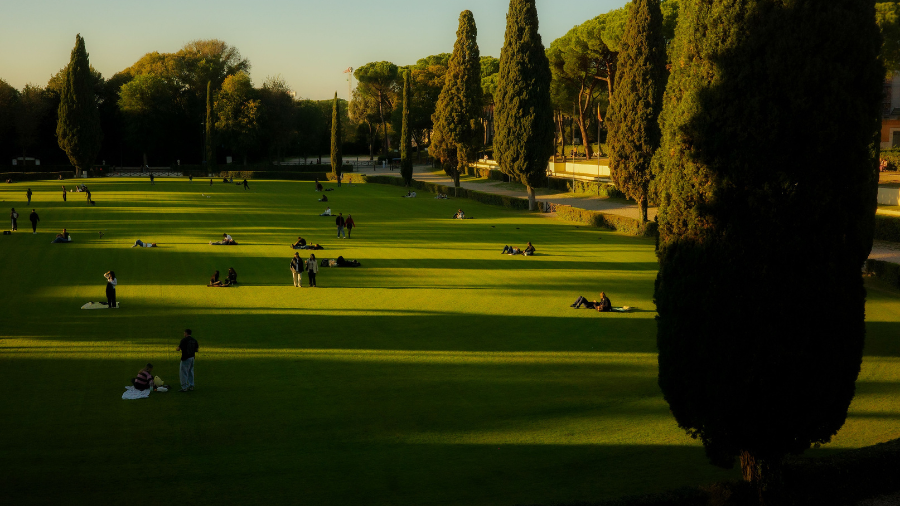
I spent three weeks in Puglia last year with no fixed itinerary beyond “rent a car, find a masseria, ask where the locals eat.” By day four, my host had taught me to make orecchiette by hand. By day twelve, I knew the names of three generations of her family. By day twenty, I understood why people move to Southern Italy and never explain why they moved to Southern Italy. Today, Slow Travel Italy 2026 is not a new concept, but it has reached a genuine tipping point status.
Google Trends data from April 2026 shows “slow travel Italy” searches up 100% in the past month. “Month long hotel stay” and “month long yoga retreat” are trending search terms. Travel Daily News reports Puglia as the leading destination for slow tourism Italy in 2026. This is not tourism branding; instead, it’s genuine behaviour change.
What Is Slow Travel, Actually?
What does slow travel mean? Slow travel means staying in fewer places for longer — typically a week or more per location rather than city-hopping every two days. The goal is to know a place rather than catalogue it. You go to the same market twice. Then, you find a bar where the owner stops charging you for the second espresso. You understand, eventually, why everything closes between 1 PM and 4:30 PM, and then you stop fighting it.
Italy is the natural home of slow travel because Italians invented the concept without naming it. In fact, the concept is called a normal life.
Why Puglia Is the Right Answer for Slow Travel Italy 2026
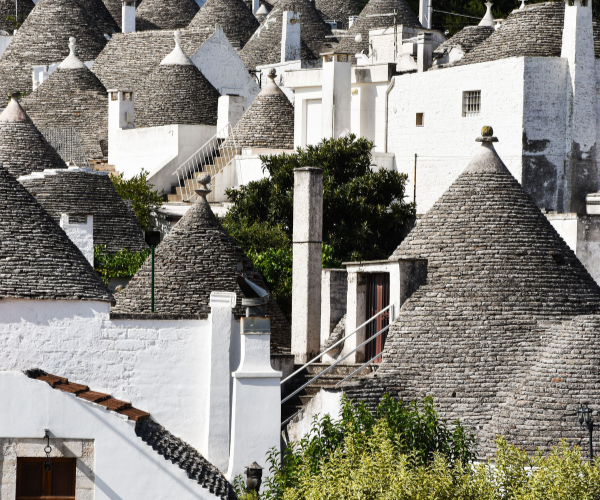
Puglia is Italy’s heel — the bottom right of the boot — and it has been getting comparisons to Tuscany for a decade while remaining significantly less crowded and relatively cheaper. Ostuni (the White City) sits on a hilltop above olive groves. Lecce is a baroque masterpiece in warm limestone that the Italians rightly call the Florence of the South. Polignano a Mare is a town built on cliff edges over the sea, and the aperitivo at any cliff-side bar at sunset is approximately what paradise is supposed to feel like.
In 2026, Puglia’s regional rail network has completed a major investment cycle. New trains and integrated bus services connect Lecce, Brindisi, Bari, and Taranto. You don’t absolutely need a car anymore, although renting one for day trips to the smaller coastal towns remains worthwhile.
How to Do Slow Travel Italy on a Realistic Budget
Is slow travel in Italy cheaper than regular travel? Counter-intuitively, yes. A masseria stay in Puglia runs €60–100 per night with dinner included. That’s cheaper than a mediocre hotel in Rome for the same night, which would run €130–200 and include nothing.
Weekly rental prices for apartments in smaller Puglia towns (Lecce, Otranto, Gallipoli) often come in at €400–700 per week in June, before the July-August peak. That’s €57–100 per night with a kitchen, meaning food costs drop significantly.
Supermarket runs in Italy are not a compromise. Italian supermarkets are absurdly good. A week of produce, local cheese, fresh pasta, and two bottles of Primitivo wine might run €50–70 and will make you genuinely question whether restaurants are worth it.
Slow Travel Italy 2026: One-Month Itinerary Outline
- Week 1: Arrive in Bari. Base in Polignano a Mare or Alberobello. Beach days and masseria food.
- Week 2: Move to Lecce. Market mornings, afternoon workshops, evening aperitivo.
- Week 3: Down to the Salento coast — Otranto, Gallipoli, Castro. Slower beaches, fewer tourists.
- Week 4: Head north to Matera (technically Basilicata, but close enough) and the Gravina canyon.
Ultimately, slow travel is less about seeing everything and more about remembering where you’ve been.
Follow The World Times for more such updates!