
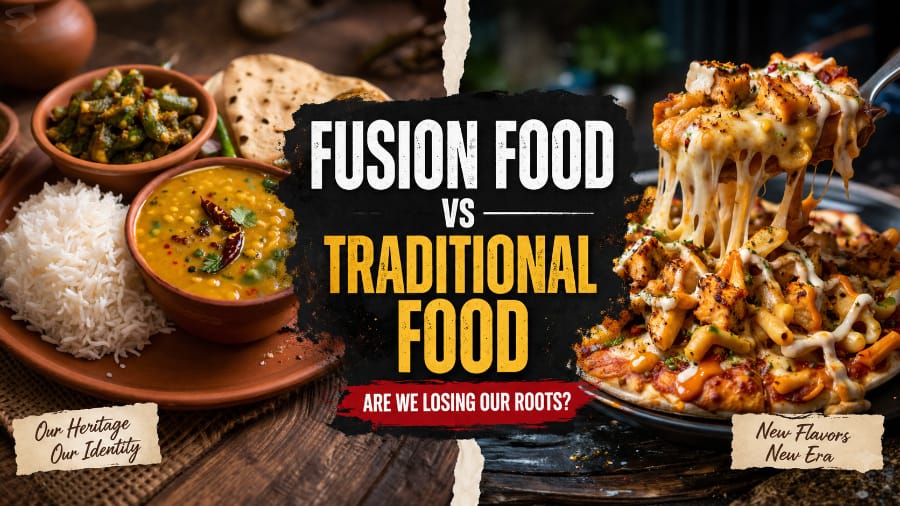
Fusion food is everywhere today. From butter chicken pizza to sushi burritos, modern menus are filled with creative combinations. While these dishes attract attention and reflect changing tastes, they also raise an important question: Is fusion food affecting traditional food? Food is more than just flavor; it represents culture, history, and identity. Therefore, any major shift in how food is prepared and consumed deserves closer attention.
What Is Fusion Food?
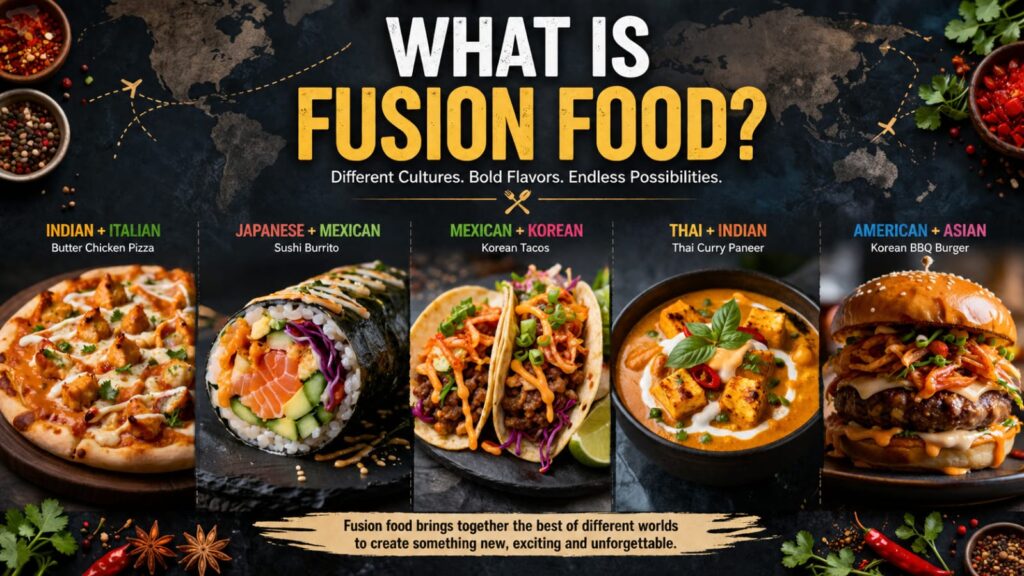
Fusion food refers to the combination of elements from different culinary traditions to create new dishes. For instance, chefs may add Indian spices to Italian pasta or combine Asian and Mexican cuisines into a single plate. When done thoughtfully, fusion food can encourage innovation and cultural exchange. However, when done without proper understanding, it can lead to confusion and a loss of authenticity.
Fusion food has grown rapidly due to several factors. Firstly, global exposure has increased through travel and digital platforms, allowing people to explore cuisines beyond their own culture. As a result, consumers have become more open to experimenting with flavors. Secondly, social media has played a significant role. Visually appealing dishes often perform better online, and fusion food tends to be more eye-catching than traditional meals. Additionally, restaurants face intense competition and are constantly looking for ways to stand out. Offering fusion dishes helps them create unique menus and attract a wider audience.
How Fusion Food Is Affecting Traditional Food
Fusion food is influencing traditional food in multiple ways. One noticeable impact is the modification of original recipes. While adaptation is a natural part of culinary evolution, excessive changes can lead to the original version being overlooked. Over time, this may result in fewer people experiencing traditional dishes in their authentic form. Another concern is the decline in authentic dining experiences, especially in urban areas where fusion menus dominate. Furthermore, some chefs still label heavily modified dishes as traditional, which can create confusion among consumers who are unfamiliar with the original cuisine. At the same time, changing consumer preferences, particularly among younger audiences, are contributing to the growing demand for experimental dishes over classic recipes.
When Fusion Food Works Well
It is important to recognize that fusion of food is not inherently negative. In fact, it can be highly valuable when approached with care and knowledge. When chefs understand the techniques, ingredients, and cultural significance of both cuisines involved, fusion dishes can create meaningful and balanced flavors. In such cases, fusion food acts as a bridge between cultures rather than replacing them. It introduces people to new tastes while still respecting the essence of traditional cooking.
The Importance of Preserving Traditional Food
Traditional food plays a crucial role in preserving cultural identity. Recipes passed down through generations reflect local ingredients, climate, and history. They are not just methods of cooking but also carriers of stories and heritage. If these recipes are not maintained and practiced, valuable cultural knowledge may gradually disappear. Therefore, it is essential to document and promote authentic cooking methods alongside modern culinary trends.
Can Fusion and Traditional Food Coexist?
Fusion and traditional food can coexist, but balance is essential. Fusion food should complement traditional cuisine rather than replace it. Consumers can enjoy innovative dishes while also supporting authentic food experiences. Making an effort to try regional specialties in their original form and learning about their background can help maintain this balance. In this way, both creativity and tradition can continue to thrive together.
Fusion food reflects the evolving nature of global cuisine. It brings creativity, diversity, and new experiences to the dining table. However, it also has the potential to impact traditional food if not approached thoughtfully. The key lies in maintaining balance. Innovation should continue, but not at the cost of losing cultural heritage. By appreciating both fusion and traditional food, we can ensure that culinary traditions are preserved for future generations.
So, what do you prefer? Traditional food or fusion food?
Follow The World Times for more such updates.


After trying so many sites that broke my trust I decided to stick with inlucky379 for all my gaming needs. The withdrawal limits are reasonable and the staff actually cares about solving issues quickly. I feel confident putting my money here. inlucky379