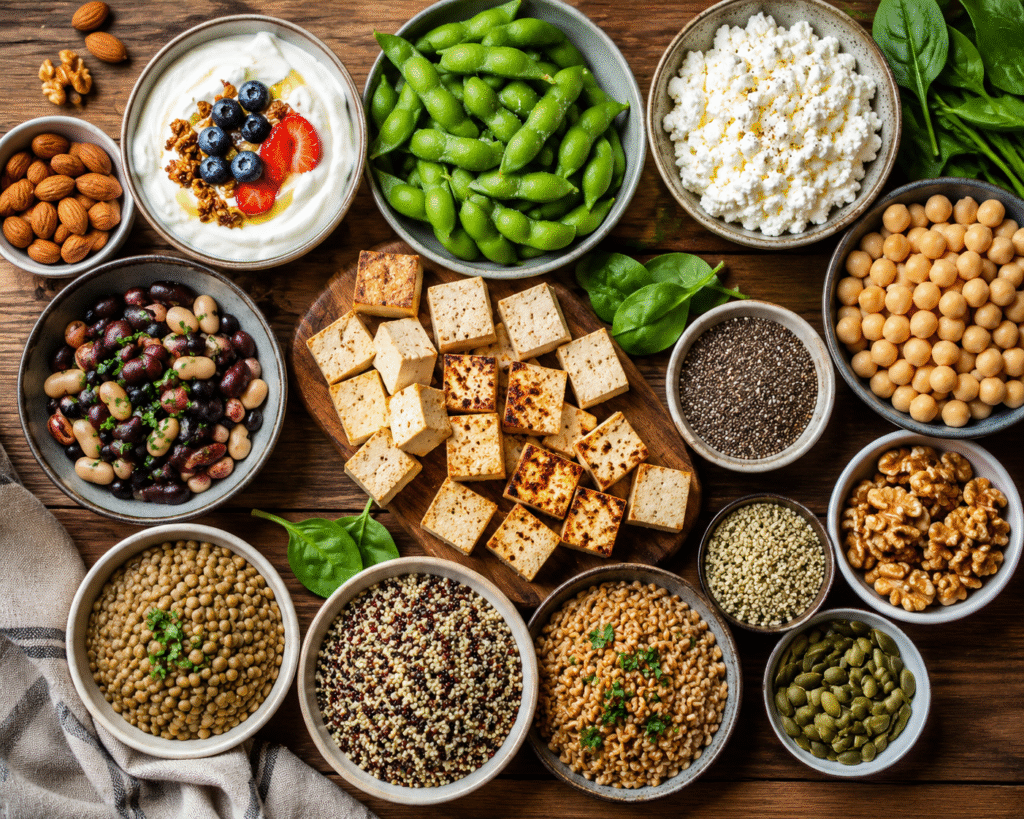
Eating a vegetarian diet does not mean you have to skip protein. In fact, the right staples make it easy to build meals that keep blood sugar steady and hunger in check. Most experts suggest 20 to 30 grams of protein per meal, and according to the Mayo Clinic, it also helps repair muscle and supports steady energy. So, a well-stocked pantry makes that goal easy to reach. Below are eight go-to vegetarian proteins, each with a few simple ways to use it.
1. Greek Yogurt and Cottage Cheese as a Protein Source
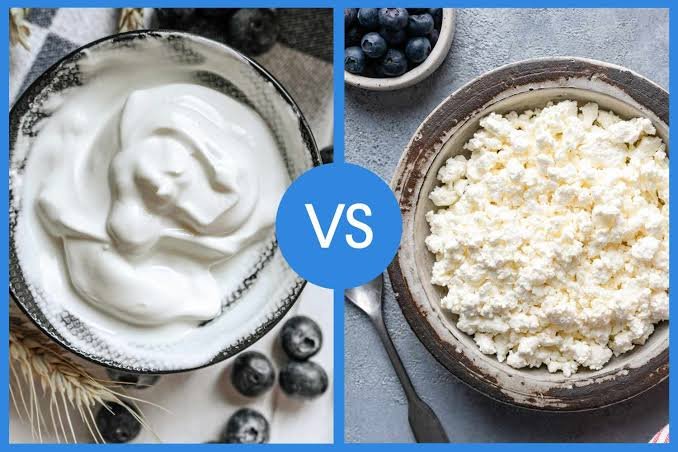
To begin with, dairy is an easy way to add nutrition without much effort. A small serving of Greek yogurt or cottage cheese packs close to 10 grams of protein, which makes it a smart pick for breakfast bowls or smoothies. It also works well in savory dishes, like baked potatoes.
2. Tofu and Edamame
Meanwhile, soy foods deserve a spot in any vegetarian kitchen because they are complete proteins, meaning they contain all nine essential amino acids. Extra-firm tofu works well pan-seared or air-fried, and you can also blend it into sauces. Edamame makes a quick snack and a great swap for peas in many recipes. Furthermore, both foods are affordable and store well in the freezer, so they fit easily into a busy week. For instance, steamed edamame with sea salt makes a fast, filling snack, while tofu can be marinated ahead of time and added to grain bowls or salads all week.
3. Beans and Lentils
Similarly, few foods offer more value than beans and lentils, since they are cheap, shelf-stable, and work in almost any dish. Most varieties give you at least 7 grams of protein per serving, and they also bring plenty of fiber that supports gut health. Consequently, beans and lentils shine in soups, dals, grain bowls, and salads. You can cook them in bulk ahead of time, or grab canned ones for a fast meal. Because they soak up flavor so well, they fit many global dishes, from Indian dal to a Mediterranean bean salad.
4. Nuts, Seeds and Whole Grains
In addition to dairy and legumes, nuts and seeds add real protein along with healthy fats. Walnuts, almonds, and hemp seeds are popular picks for topping salads and stir-fries, or for blending into smoothies. Moreover, some people use cashews to make creamy sauces, which adds protein without any dairy. Since nuts and seeds are calorie-dense, even a small handful goes a long way.
While grains are known for fiber, some also pack in protein; farro, quinoa, and sorghum are great examples. Each offers 5 to 8 grams of protein per cooked cup, so they make a solid base for grain bowls or porridge. Try farro porridge for breakfast, or serve a stir-fry over buckwheat instead of rice. Consequently, swapping in one of these grains is an easy way to boost protein.
5. Legume-Based Pasta
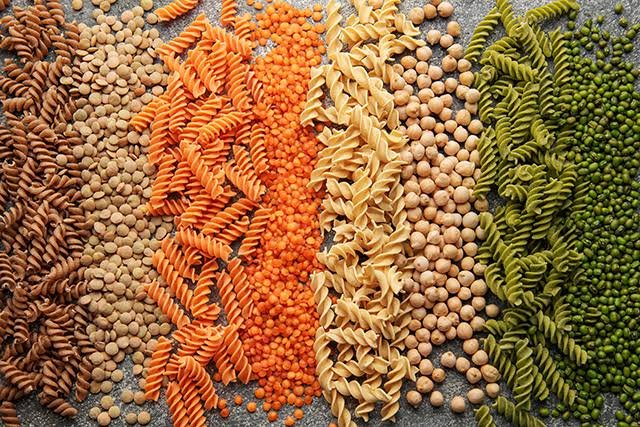
Finally, pasta made from chickpeas, lentils, or beans is now easy to find, and it’s a simple way to add more protein to a familiar dish. Chickpea pasta holds up well under a bold marinara sauce, while milder pea or lentil noodles work better with lighter sauces, like olive oil and garlic. Therefore, swapping in a legume-based pasta is an easy change that won’t affect how the dish tastes or feels.
Conclusion: Protein Booster in Your Diets
Altogether, a vegetarian diet can easily support high-protein eating. Keep a mix of dairy, soy, beans, nuts, seeds, eggs, cheese, and whole grains on hand, and it becomes far easier to hit your protein goals at every meal. As a bonus, you’ll also get plenty of fiber, vitamins, and minerals along the way. So, whether you’re new to vegetarian eating or just want more protein, start by stocking a few of these staples.
Follow The World Times for more such updates.