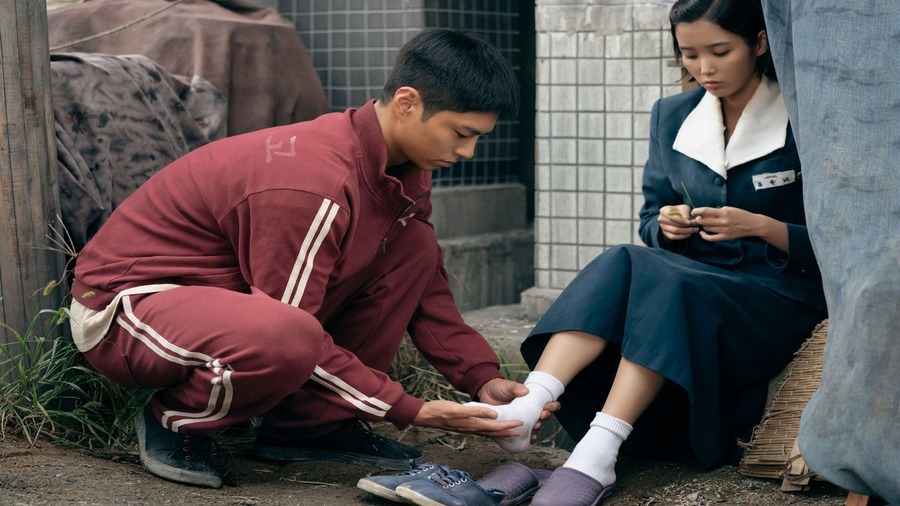
For decades, popular culture has taught audiences that a “real man” must be. Dominant, emotionally distant, besides physically intimidating right? Hollywood gangsters, action heroes, and Bollywood’s angry young men reinforced this image for generations. However, younger audiences are arguing now whether aggression, emotional repression, and stoicism should be glorified as an epitome of manliness. Many Korean dramas have emerged as an unexpected cultural force. They embrace soft masculinity rather than portraying men who communicate openly, nurture relationships, while expressing vulnerability without losing their strength. In doing so, they are quietly redefining what it means to be a man in the 21st century.
The Rise of Hypermasculinity in Cinema
Films have long shown masculinity as linked to authority and emotional containment. Rugged cowboys in Westerns and powerful figures like Don Vito Corleone in The Godfather help illustrate this idea. These portrayals spread around the world and influenced local film industries, including Bollywood. By the late 1980s and early 1990s, Bollywood introduced its own version: “the angry young man.” This character rarely showed vulnerability, often fought goons, and faced off against the father of his love interest. The saying “mard ko dard nahi hota” (“real men do not feel pain”) became a popular expression of ideal masculinity in India.
These portrayals celebrated toughness and resilience, but they also sold repression and aggression as true masculine images for decades. They discouraged men from expressing their feelings, seeking help, or acknowledging emotional struggles. Men no longer know how to comfort, ensure stability or even remaining patient in crisis.
How Soft Masculinity in K-Dramas Challenges Traditional Masculinity
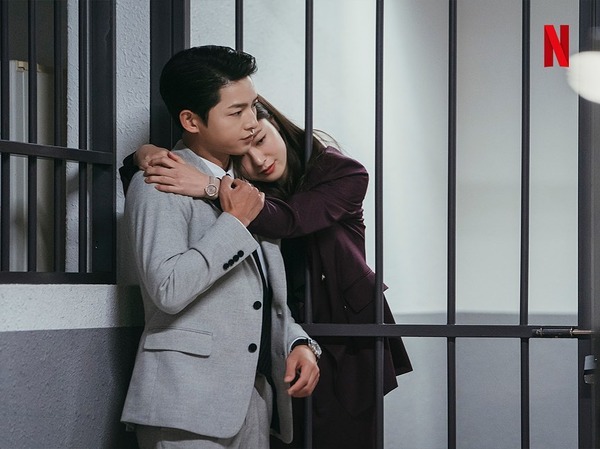
Women now can vote, pursue higher education, leadership countries, and achieve financial independence in ways previous generations could only dream of. Yet, many continue to feel that they are not taken seriously. There is also an unspoken pressure to prove themselves as equal to men. In workplaces and public spaces alike, women often find themselves working harder, speaking louder, and adopting traditional masculine traits. To achieve relentless productivity they often dismiss their softer side as weakness.
It is perhaps this exhaustion that explains the appeal of Korean dramas for a global female audience. In these narratives, characters value, protect, and cherish women without asking them to abandon their femininity. The “princess treatment” in K-dramas, while often idealized and unrealistic, gives viewers emotional relief. They enjoy a world where care, tenderness, and romantic devotion coexist with respect.
Why Soft Masculinity Resonates With Women
Everyday experiences like being talked over in meetings, ignoring sexist comments and handling unwanted matchmaking by a ton of relatives have left a whole generation of women angry. The frustration becomes even more pronounced in romantic relationships. As a result, they are increasingly unwilling to settle for partners who view them as trophies or emotional caretakers rather than equal human beings. Empathy is valued over grand chivalrous gestures. It is a human tendency after all to feel genuinely seen, listened to, and valued.
How K-Drama Male Leads Are Exceptional
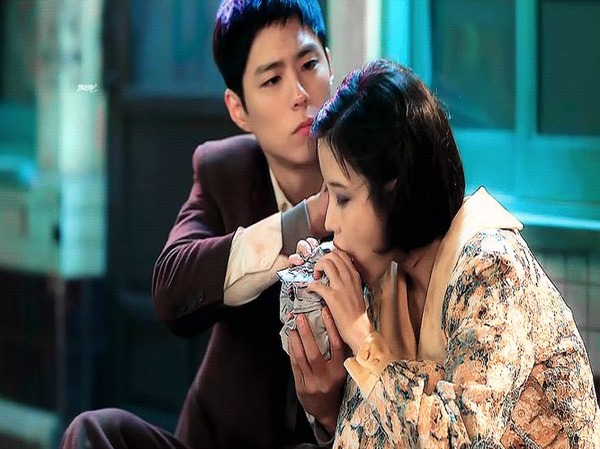
K-Drama male leads refuse to see care as weakness. They see it as an act of love. Take Vincenzo Cassano from Vincenzo. He carries Hong Cha-young’s bags without complaint, indulges her eccentricities, brings her free food, adding a touch of theatrical chaos to his elaborate schemes simply because he knows she enjoys it.
In When Life Gives You Tangerines, Yang Gwan-sik is the most supportive man to grace the earth. He ties Ae-sun’s shoelaces, fights for her dreams, and spends his life making sure she finally has a home she can truly call her own. He even stands against his own family for her. Years later, when Ae-sun becomes village head and drunkenly celebrates with her friends, Gwan-sik simply smiles. When their son complains, he replies that he will always be there to clean up after her anyway. When compared with many real-life men, they often complain after washing one plate.
Click here to watch the video which has the best highlighted Gwan-sik moments from When Life Gives You Tangerines
Similarly, in Queen of Tears, Baek Hyun-woo, a bright young man from a modest background chooses understanding over ego when married into the family of billionaires. Even when his wife Hong Hae-in, the illustrious CEO pushes him away, he continues to support her. He also tries to heal fractured bonds within her family. However, these characters are not perfect. They make mistakes. Yet they consistently show qualities that many women find frustratingly rare in everyday relationships aside from just remaining just physically attractive.
Are K-Dramas Creating Unrealistic Expectations for Men?
An impossible standard of physical perfection is added to the male leads with the above discussed qualities. Male leads are rarely just kind; they are also expected to be exceptionally attractive, impeccably dressed, financially successful, and charismatic. Vincenzo Cassano, for instance, looks like he has stepped out of a luxury fashion campaign! Whether he is carrying Hong Cha-young’s bags, bringing her snacks, or orchestrating acts of revenge, he remains flawlessly styled.
In reality, most people do not resemble Greek gods, nor do they possess endless patience, wealth, and emotional intelligence morphed together into one.
Ultimately, K-dramas are not simply portraying relationships; they are also selling fantasy. The ideal Korean male lead functions as an aspirational figure designed to satisfy female fantasies, much in the same way that Hollywood has historically marketed the pale blonde woman with blue eyes as the idealised female beauty. While such portrayals can be comforting and entertaining, audiences must recognise them as carefully constructed fantasies rather than everyday reality.
Follow The World Times for more such updates.