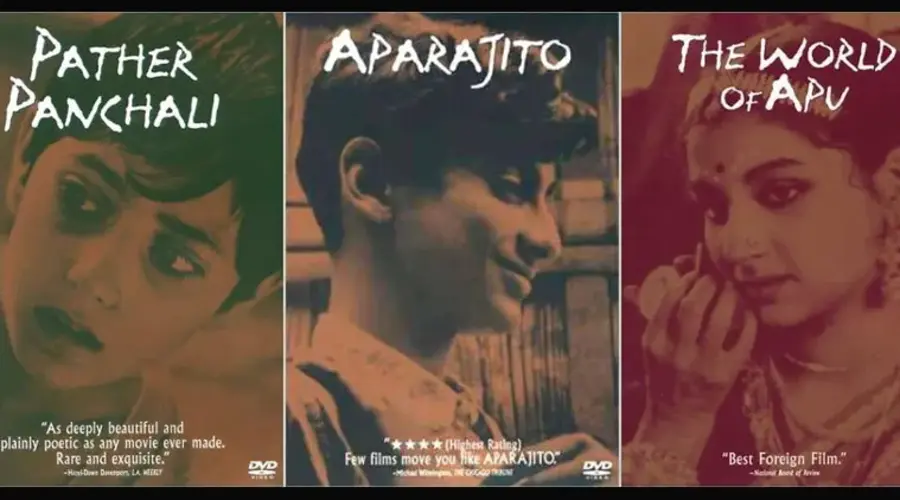
Satyajit Ray’s The Apu Trilogy is the Odyssey of a young Bengali Brahmin, Apu. It follows Apurba Kumar Roy’s (Apu) conquest to adulthood. Furthermore, it is a bildungsroman, a coming of age, with the ultimate aim of enlightening Apu about his purpose in life. The trilogy converses with the themes of the rise of the Bengali middle class, the fallen caste privileges of Brahmins, the emotional upheavals of an introspective soul, and the grief that follows after death.
The Early Twentieth Century Urbanisation
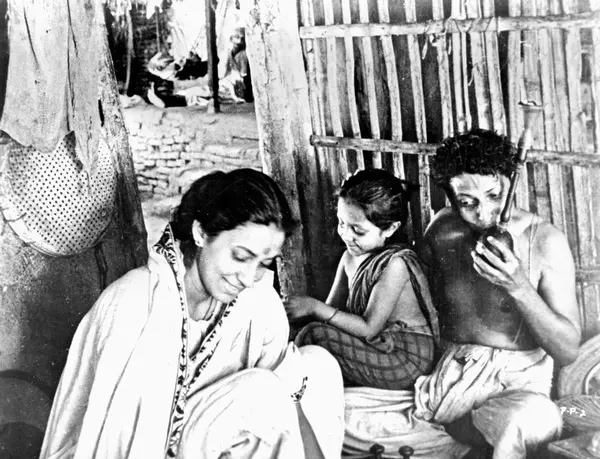
The early twentieth century saw rapid urbanisation clustering around Kolkata. People flocked to the city for newer opportunities and the dream of a better life. The structural demolition of rural India, particularly Bengal, is highlighted throughout the films. In Pather Pachali, Poverty leads as the principal antagonist. It creeps up on the family in various forms. Lack of food and future highlight the shambles that rural India suffers from.
Contrary to many views that Ray romanticised poverty, it is quite the opposite. He paints an intimidating picture of the constraints of monetary disposition. Along with that, the movie also focuses on the loss of caste privileges with the ascent of the middle class. The once celebrated Brahmin family has to fight for survival. Apu’s father travels to the city for better jobs.
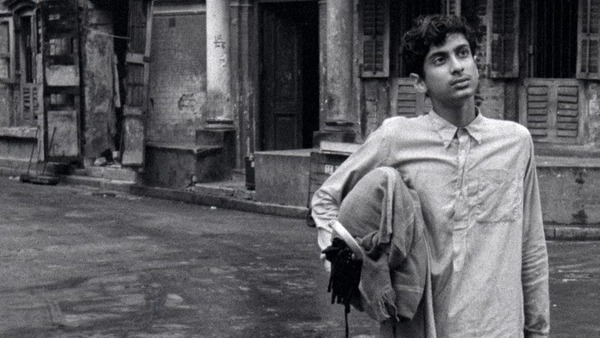
Aparajito crystallises the urban-rural divide. The so-called upper-caste privilege has dissolved. Apu travels by train and works at a printing press to sustain his needs. The rise of educational meritocracy is also aptly highlighted through his scholarly pursuits. Like his father, he chases a dream of education and intends to be a writer. He liberates himself from priestly activities, superstitions, and backward practices that could have held him back. He becomes a modern, empirical man, an epitome of the Bengali educated middle class.
Consequently, the divide results in a dilemma for Apu. The adolescent boy prefers the city over the village. The loss of one’s roots in an increasingly urbanised sector is portrayed efficiently when he rebukes his mother’s requests to return to the village for festivals. The city seduces him with its liveliness. Apu has to constantly shuffle between the two lives.
The Everlasting Presence of Grief in Apu’s Life
After Poverty, Grief is Apu’s second-best friend. It grows up right beside him and agonises his existence. A very young Apu witnesses the death of his aunt, Indir Thakurwan. Unable to extract much from there, he quietly moves on.
However, grief makes another appearance very soon. His beloved sister Durga falls terribly ill and develops a high fever during the monsoon. Poverty catalysts Durga’s demise when the family fails to cover their dilapidated house.
Durga’s death becomes a rite of passage for Apu. The little boy now understands the terrifying consequences of death and how it preys on life. Furthermore, his parents’ death solidifies his acknowledgement of poverty and grief.
Life becomes a tale of hardships, miseries, and pain for him, yet he does not give up. He internalises the pain and grows up as a contemplative individual.
Death and Disillusionment
Death in Apu’s life is less of a physical haunting; it is metaphorical. His sister leaves him without a playmate, thus shaping his introverted and introspective nature. The death of his father leaves a materialistic void that he has to suffer throughout his life. Finally, his mother’s death orphans him. The young man is already disillusioned. The only catharsis that he can avail is through his creative diversions.
In Apur Sansar, Apu is on a little vacation away from grief. But like all vacations, it ends. He had strived for companionship all his life, and his wife, Aparna, became the sole source of his joy and motivation at some point. Yet life isn’t so simple for the modern tragic hero. Aparna’s demise at childbirth leaves him with a void he could have never imagined. This becomes the final call for him to renounce life, companionship, and love forever.
His cynicism drives him away from his son, leading him to further mental insanity. By then, Apu has abandoned everything: his roots and also his ability to love his kin.
Apu as a Flaneur
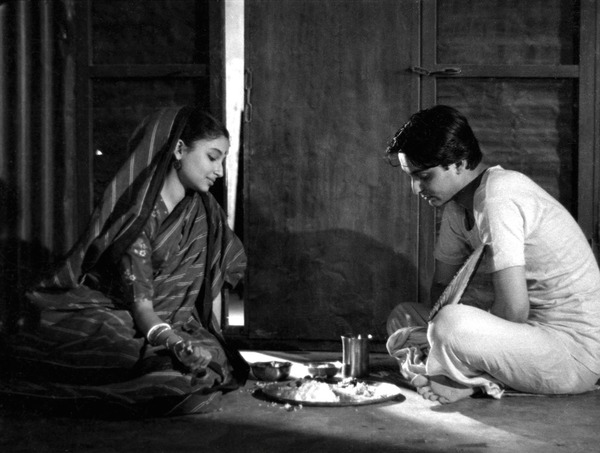
The concoction of a grief-laden childhood and an innate urge to introspect makes Apu a flâneur in modern Calcutta. He is sensitive, retrospective, and wants to live life to the fullest. The enchantments of the city make him wander around. He polishes up his childhood skills of exploration to breathe into the city.
However, his soul yearns for something more; he feels that something majestic is awaiting him. The clerical job, the writing failures, don’t discourage him from life. In a dialogue with his friend, Pulu, Apu pitches an idea for a novel. It describes someone who is not scared to live life; the character does not seek escape, but rather embraces the upheavals. It is Apu himself. No travesty is strong enough to dilute his poetic persona. Not only is he a creator, but he is also the architect of his own life. In Wordsworth’s words, he wanders “lonely as a Cloud.” In every sense, he is a romantic lost in the modern world.
The cloud soon condenses into heavy rain after the death of his wife. Shunning all worldly responsibilities, he metamorphoses into a vagabond, but he no longer enjoys the simple pleasures of such travels. What once was a routine activity for him and Durga now turns into a pathetic Sisyphean task that he undertakes. He discards his manuscript, thus letting go of all his artistic ambitions.
The wasteland of Calcutta offers him no pity. The romanticisation of life and the aspiration of a magnificent future die away.
Circle of Life in The Trilogy
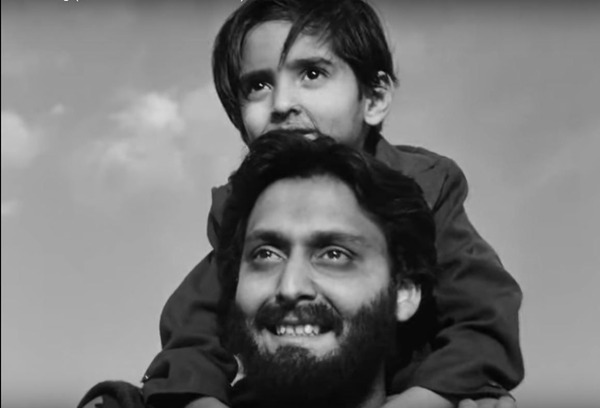
The young Apu, who never ran away from life, grows up into an adult who deliberately escapes. Yet the consequences of fatherly abandonment do not leave him. Rebuked by his friend and his father-in-law, he has to finally face his son, Kajol, the one he blamed for his ultimate misery.
There is a certain similarity between Apu and Kajol. The latter traces the childhood naivete and playfulness which his father once displayed. Yet when he is denied the fatherly love, Kajol grows up wild. Although Apu still blames Kajol for the death of Aparna, he can’t help but feel a deep affection towards the young child.
Kajol, on the other hand, denies him fatherly right. He accepts him as a friend. The trilogy closes with both Kajol and Apu returning to Kolkata to start a new life. What lies ahead of them is uncertain. But it is the last chance at redemption that Apu probably has. His lifelong loneliness can be cured by the love that his son can shower him with.
In a striking contrast with his own father, who had to abandon his family for a better living, he embarks on a new journey with the only family that he has left. Apu’s circle of life is rendered complete. It is the audience who has to adjust their spectral position to comprehend his journey.
The Lasting Impact of The Apu Trilogy
Ray leaves a lasting impact with this trilogy. The films reminds people to live through life for the journey itself. Seeking an ephemeral meaning is the ultimate fallacy of human nature. Issues of the middle class, educational merit, and the introspection of a grief-laden soul remain topical. The audience finds a resonance in the quiet strength that Apu possesses. It becomes a perpetual existential premise across cultures and time.
Follow The World Times for more search movie breakdowns.