Mexico City Street Food Guide 2026: Why CDMX Is the World’s Most Exciting Food City
Mexico City street food guide 2026 searches are peaking because the world has finally caught up to what Mexico City has always been. The World’s 50 Best restaurant rankings consistently place CDMX restaurants alongside the best anywhere on Earth. Pujol sits in the top 20 globally. Quintonil is across the street and placed in the top 15. Taquería El Califa de León made history as the first taquería in the world to receive a Michelin star. These are not Mexico City restaurants that are good “for Latin America.” Instead, they’re competing with the best restaurants anywhere in the world.
However, that’s only the tip of the iceberg. Beneath it, the street stalls, mercados, comedores, and fondas are where the true volume and soul of Mexican food culture live. Better still, a full day of eating exceptionally well in CDMX can cost under 300 pesos (roughly Rs 1,200) if you eat where the locals eat. By any standard, that’s a spectacular deal.
For Indian travellers, meanwhile, Mexico City’s food culture carries a particular resonance. While the spice logic is different—chilli heat rather than the layered depth of masalas—the relationship with street food feels immediately familiar. From vendor carts and market stalls to neighbourhood specialities found only within a particular colonia, the experience echoes India’s own food traditions. Even café de olla (coffee brewed with cinnamon and piloncillo in a clay pot) feels like the local equivalent of stopping for a cup of chai. Ultimately, CDMX’s food culture is democratic, community-built, and completely unapologetic about its ingredients—an instinct many Indian travellers will recognise instantly.
Mexico City Street Food Guide 2026: 10 Must-Eat Foods
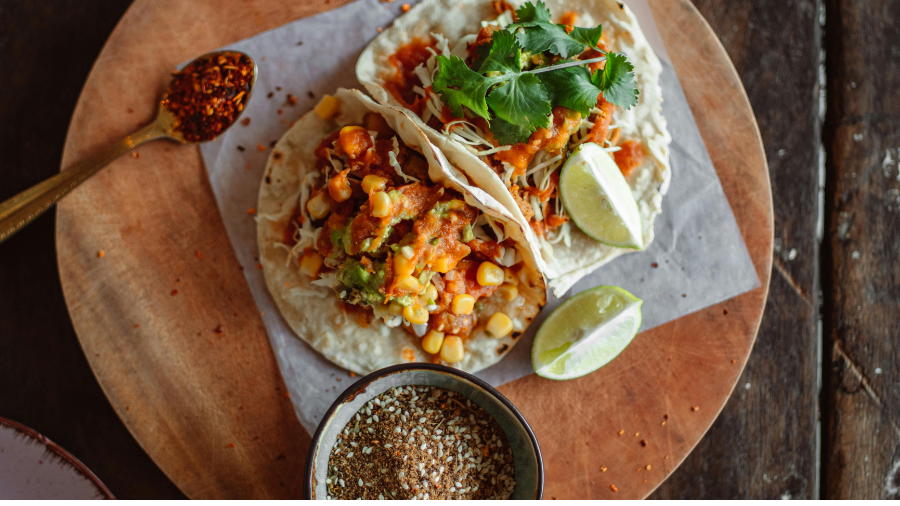
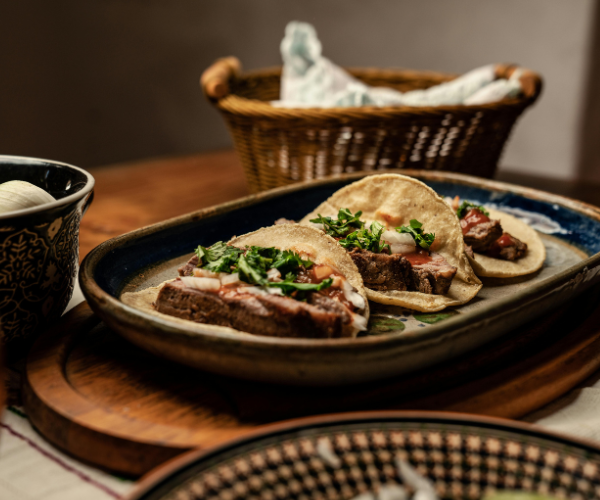
- Tacos al Pastor — The undisputed king of CDMX street food. Pork marinated in dried chillies and achiote, stacked on a vertical spit (trompo) with a pineapple on top, shaved to order onto small corn tortillas with onion, cilantro, and lime. The pineapple slice placed on top by a skilled taquero, flicked up with the knife blade, is one of the most satisfying small spectacles in food culture. El Vilsito in Narvarte is legendary; it operates as a mechanic’s workshop by day. The trompo comes out at night.
- Tacos de Canasta — Basket tacos. Humble, ancient, deeply local. Soft tortillas filled with beans, chicharrón, or potato, pre-steamed in a basket and carried through streets on bicycles by vendors. Two tacos for 14-18 pesos. The definition of cheap and delicious.
- Tlacoyos — Oval-shaped masa (corn dough) cakes, stuffed with black beans or fava beans, cooked on a comal (griddle), topped with cactus, cheese, and salsa. You’ll find them at morning markets. Think of them as Mexico’s version of our stuffed paratha, though they’d rightly object to the comparison.
- Tamales — Masa dough steamed inside corn husks (or banana leaves, depending on region), stuffed with everything from pork in red salsa to rajas (chilli strips) with cheese to sweet versions with raisins. At Tamales Madre in Roma, the artisanal versions have achieved justified cult status. At any market stall before 10am, the everyday version is just as soul-satisfying.
- Quesadillas — A note: in Mexico City, a quesadilla does not automatically come with cheese. You have to ask. This is a genuine and passionate local position. Get them with huitlacoche (corn fungus, which sounds alarming and tastes extraordinary) or squash blossom if you’re at a market stall.
- Elote and Esquites — Street corn. Either on the cob (elote) grilled and slathered with mayo, cheese, chilli powder, and lime, or in a cup (esquites) with the same condiments plus broth. It’s a snack that delivers an almost unreasonable amount of flavour in 60 pesos.
- Torta de Chilaquiles — A sandwich containing chilaquiles (tortilla chips cooked in salsa). Mexico City’s gift to carbohydrate maximalism. It sounds excessive. It is. That’s the point.
- Pozole — A hearty soup of hominy corn and meat (pork or chicken), topped with shredded cabbage, radish, oregano, and dried chilli. The green version (verde) is cleaner; the red (rojo) is more complex. Both are magnificent on a cool evening.
- Churros — Long, ridged doughnuts fried fresh and rolled in cinnamon sugar. The churrerías of Centro Histórico serve them with thick hot chocolate for dipping. This is non-negotiable.
- Café de Olla — Not food but essential. Coffee brewed in a clay pot with cinnamon and raw sugar (piloncillo). It’s CDMX’s answer to chai, and it converts sceptics within the first sip.
Street Food Guide 2026: Best Neighbourhoods to Eat
World Cup 2026 + Mexico City Street Food: The Timing Is Perfect
Practical Tips for Indian Travellers
Also read: Set-Jetting Travel Guide 2026 | 80th La Tomatina Festival: Spain’s Biggest Food Fight
Stay tuned with The World Times for more updates!