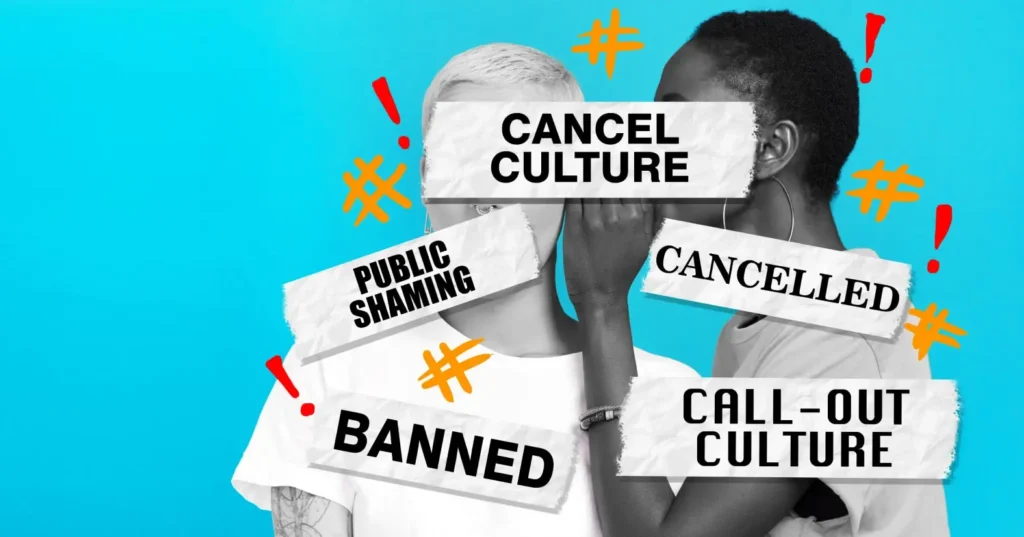
Cancel culture operates on lightning speed especially in today’s time. Music industry has always thrived on controversy. One viral tweet can end a career overnight. Meanwhile, some artists bounce back stronger than ever. It gets messy precisely because some behaviours are genuinely inexcusable. However, we’ve lumped everything together under one label, from minor mistakes to serious crimes.
Criteria for Cancel Culture

Consider R. Kelly. His “cancellation” wasn’t cancel culture. I was justice. After decades of documented abuse, he finally faced legal consequences. Similarly, when artists commit assault, groom minors, violent/harmful threats and statements, or abuse their power systematically, losing their career is not cancellation.
Instead, it’s accountability that should have happened sooner. Furthermore, victims deserve to see their abusers face real consequences, not just temporary PR damage.
On the other hand, think about artists who face backlash for old tweets or poorly framed statements. The internet digs up decade old posts, often from when someone was a teenager, and demands their career end immediately. Yet people genuinely change and grow.
Moreover, we’ve all said stupid things we regret. The difference is most of us don’t have millions watching our every move.
The Problem
The real problem? We’ve lost ability o distinguish between levels of. wrongdoing. A tasteless joke gets treated like criminal behaviour. Meanwhile, actual predators sometimes maintain their careers through powerful legal teams and strategic silence. Therefore, the system punishes inconsistently and often unfairly. Additionally, the context matters. Enormously. Take the infamous Taylor Swift and Kanye West feud as an example. One phone clip and Swift’s life was changed. She was ‘cancelled’ and then years later, the context saw the light of the day.
An artist who makes one ignorant comment, then genuinely educates themselves and grows, shouldn’t face permanent exile. However, someone with a pattern of harmful behaviour needs real consequences. Yet our current rarely makes these distinctions carefully. Perhaps, most frustratingly, wealthy artists can often survive cancellation while emerging artists can’t. Established musicians have financial cushions and loyal fanbases. Consequently, they weather storms that would destroy newcomers. This creates an uneven playing field where accountability depends on your bank account.
Ultimately, we need better frameworks for distinguishing genuine accountability from mob mentality. Some people absolutely should lose their platforms. Others deserve a second chance after showing a real change. The challenge lies in figuring out which is which and who gets to decide.
Read More:
The Culture Industry in 2025: How Capitalism Shapes Us
For more updates, follow The World Times