The question is: why now, and which cities actually deserve your time?
Why Eastern Europe Budget Travel 2026 Is Dominating the Data
Two words from KAYAK’s own travel trends expert: access and affordability. Airlines have opened new nonstop routes, boutique hotels are multiplying in cities that once had three options between “hostel” and “grand historic wreck,” and Europe’s international airfare dropped 14% for summer 2026 compared to last year.
But there’s a cultural pull too. People want what Paris and Rome have already sold — the café terraces, the old towns, the food scenes that make you cancel your diet — without the elbow-to-elbow experience of peak season in the Trastevere or the Marais.
Eastern Europe delivers exactly that. Cobblestone streets without the selfie-stick traffic. Cathedrals without the two-hour queues. Beer that costs less than your bottled water back home.
For Indian travellers specifically, this is a rich moment. Most Eastern European countries accept Indian passports on Schengen visas. One Schengen visa covers Czech Republic, Hungary, Poland, Slovakia, and Slovenia in a single trip. Albania and Bosnia are separately visitable and even simpler.
The euro and zloty go considerably further here than in Western Europe, and food costs are genuinely different — a sit-down lunch in Krakow for Rs 400 is the norm, not a bargain you stumble upon.
Eastern Europe Budget Travel 2026: 7 Cities, Real Costs
Here’s the honest breakdown, city by city:
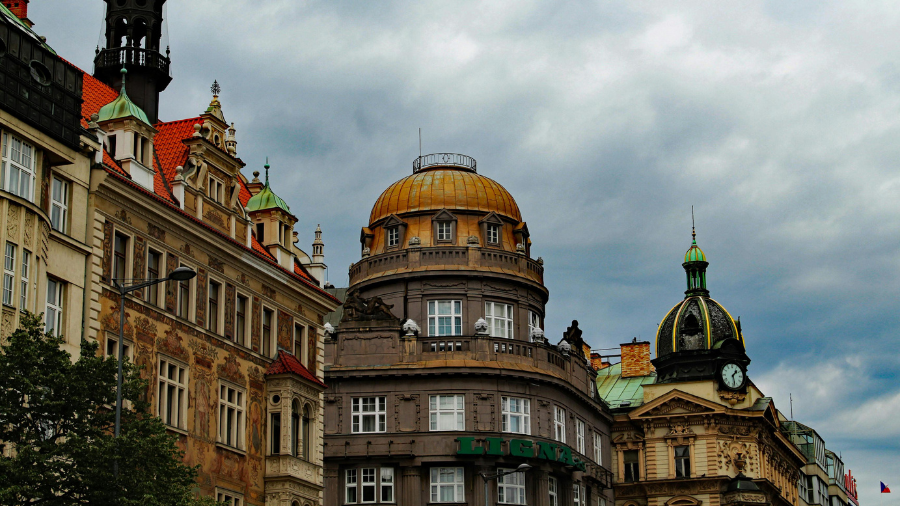
1. Prague, Czech Republic
Prague is topping KAYAK’s trending list for good reason. The Old Town Astronomical Clock — the world’s oldest still-operating one — puts on a mini show every hour and it’s completely free. The Charles Bridge at 5am, before the tourist herds arrive, is one of Europe’s most quietly beautiful experiences.
Daily budget: Rs 3,500–5,500 (accommodation, meals, entry fees). Beer costs Rs 90–130 at local pubs. Skip the tourist-zone restaurants and eat where you see Czech families.
Don’t miss: Vyšehrad fortress (free, barely on the tourist trail), the Žižkov neighbourhood’s wild TV tower with crawling baby sculptures, the Lokál chain of pubs for proper svíčková.
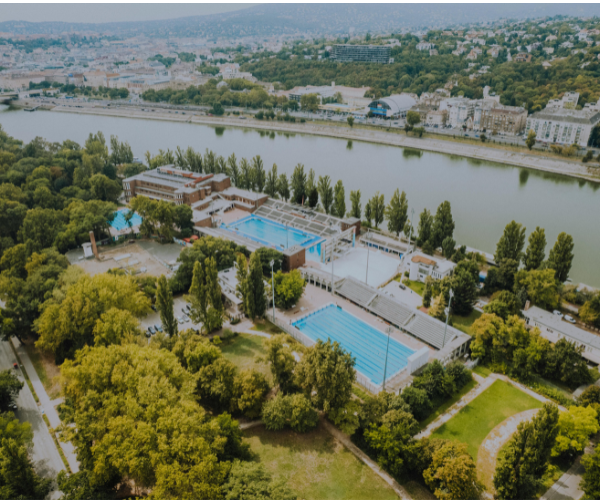
2. Budapest, Hungary
Two cities for the price of one — Buda and Pest, split by the Danube, stitched together by some of the world’s most beautiful bridges. The thermal bath culture here is ancient, deeply rooted, and absurdly cheap. A full day at Széchenyi Baths costs around Rs 1,800–2,200.
Daily budget: Rs 3,000–5,000. The ruin bar scene in the Jewish Quarter is one of the most genuinely original nightlife concepts in Europe. Szimpla Kert is the original; go on a Sunday when they hold a farmers’ market inside.
Indian parallel: Budapest’s thermal bath culture maps perfectly onto the Indian instinct for ritual bathing — the ghats, the kunds, the temple tanks. Just considerably colder and with more local lager.
3. Krakow, Poland
Krakow has a very particular kind of beauty — melancholy, layered, and unforgettable. The Wawel Castle, the medieval market square (Rynek Główny, one of Europe’s largest), and the sobering proximity to Auschwitz-Birkenau make this a city that stays with you. The food scene has quietly exploded; Polish cuisine deserves much better global reputation than it currently has.
Daily budget: Rs 2,800–4,500. Pierogi (Polish dumplings) from Bar Mleczny (milk bars — communist-era canteens that survived and became cult local favourites) cost under Rs 200 for a full plate.
Day trip: Wieliczka Salt Mine, a UNESCO World Heritage Site with underground chapels carved entirely from salt rock, is 30 minutes from the city and genuinely jaw-dropping.
4. Sofia, Bulgaria
Sofia is the dark horse of Eastern Europe budget travel 2026. It’s also the cheapest capital city in the European Union, with daily budgets that feel almost unreasonably light. The Alexander Nevsky Cathedral, free to enter, is one of the most magnificent Orthodox churches outside Russia.
Daily budget: Rs 2,000–3,500. A coffee costs Rs 80–100. Dinner at a mehana (traditional Bulgarian restaurant) runs Rs 500–700 for a full meal with wine.
Hidden gem: The Boyana Church on the edge of the city has 13th-century frescoes that UNESCO considers among the most significant medieval paintings in Europe. Entry is Rs 800 and timed to protect the frescoes — book ahead.
5. Tirana, Albania
KAYAK data shows Tirana’s interest surged over 60% year-on-year, and the city absolutely earns that attention. It’s colourful — literally, the mayor once painted entire apartment blocks in bright patterns to combat urban decay — energetic, and barely on the standard tourist map. Average round-trip flights from the US sit at $700–$800; from India via Istanbul or Vienna, comparable options exist.
Daily budget: Rs 1,800–3,000. Albania uses the lek, and it stretches beautifully. The Albanian Riviera, a day trip south, offers beaches that genuinely rival Greece at a quarter of the cost.
6. Sarajevo, Bosnia and Herzegovina
Sarajevo is the most emotionally complex city on this list. It’s also deeply beautiful and almost comically underrated. The Baščaršija bazaar is the living soul of the old city — Ottoman architecture, copper craftsmen, the scent of cevapi (Bosnian minced meat rolls) and strong coffee. The city’s complicated recent history is approached here with a kind of dignified openness that makes it one of the most thought-provoking destinations in Europe.
Daily budget: Rs 2,000–3,500. Cevapi with somun bread at a local grill: Rs 250–350 and worth every bite.
7. Ljubljana, Slovenia
Smaller than the others but extraordinarily liveable, Ljubljana is a city that functions like a poem — compact, green, effortlessly pretty. The car-free old town, the dragon bridge, the Ljubljana Castle above it all. Slovenia is also the gateway to Lake Bled, one of those places that looks photoshopped even when you’re standing in it.
Daily budget: Rs 4,000–6,000 (slightly pricier than others, but still far below Western Europe). The Ljubljana Card covers most attractions and public transport for 24/48/72 hours.
Eastern Europe Budget Travel 2026: How to Hop Between Cities
When it comes to getting around, trains and buses are the answer. The FlixBus network covers most of these cities with surprisingly comfortable coaches. For example, Prague to Budapest costs around Rs 800–1,500, while Budapest to Krakow is similarly priced. Alternatively, rail travel is often faster and more scenic—the night train from Budapest to Krakow, for instance, lets you skip a night’s accommodation cost entirely. Meanwhile, budget airlines like Wizz Air and Ryanair connect Eastern European hubs frequently and affordably.
For Indian travellers, Istanbul serves as the primary routing hub. Turkish Airlines connects major Indian cities to Istanbul and, from there, offers convenient onward connections to Prague, Sofia, or Budapest with short layovers. Overall, the total return flight cost from major Indian metros to these Eastern European capitals typically ranges between Rs 35,000 and Rs 60,000, depending on the season and how far in advance you book.
Eastern Europe Budget Travel 2026: What to Pack and Watch Out For
Before you leave, carry cash. Many local restaurants, markets, and smaller guesthouses across Eastern Europe still prefer cash. Although ATMs are widely available in city centres, they are less common in old town alleys. Additionally, get a travel card with no foreign exchange fees before you leave India—Niyo Global or a similar option works well. As for the best time to visit, summers (June–August) are warm and busy. However, the shoulder season (April–May and September–October) is the sweet spot, offering better prices, fewer tourists, and the kind of golden light in Prague or Budapest that painters once travelled here to capture.
Finally, bring curiosity for the region’s history. Eastern Europe’s 20th century is dense and profound. In fact, understanding even a little of it—the Ottoman layers in Sarajevo, the Habsburg legacy in Budapest, or the communist-era architecture in Sofia—transforms a sightseeing trip into something much closer to a genuine education.
Also read: Dubai Soars Past 70 Million Passengers | 80th La Tomatina Festival: Spain’s Biggest Food Fight
Stay tuned with The World Times for more updates!