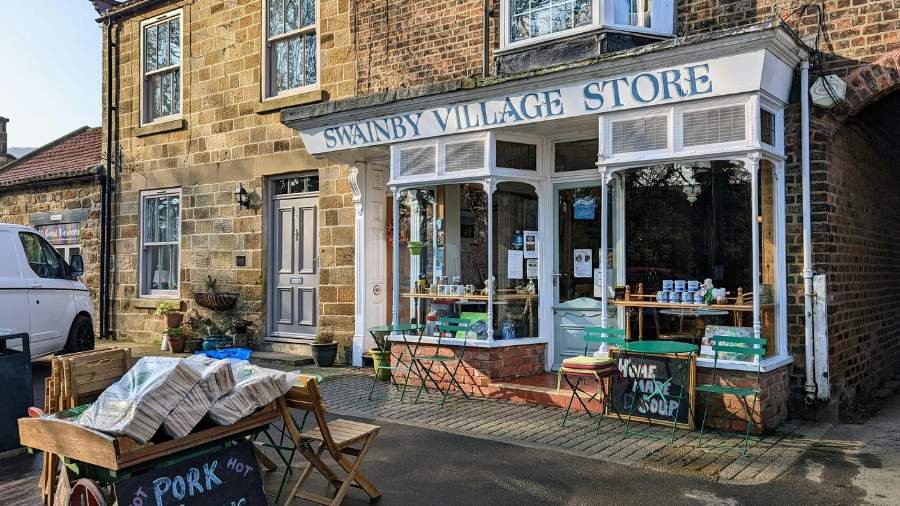
I sat in a tiny café in Mysuru last year, eating a dosa, reading Malgudi Days, and suddenly realised I was in Malgudi. Not literally — Malgudi is fictional. But R.K. Narayan based it on Mysuru, and the tea stall across the road, the unhurried tempo, the old man arguing with a younger one about something clearly not worth arguing about — all of it was on the page I’d just turned. That feeling? That’s literary tourism 2026. And it’s officially one of the fastest-growing travel trends in the world.
The literary tourism 2026 travel guide is for readers who’ve looked up from a book and thought, “I need to go there.” Euronews named literary tourism a top global travel trend for 2026, driven by BookTok, post-pandemic hunger for immersive experiences, and a generation that wants their travel to feel like something more than a location pin.
What Is Literary Tourism and Why Is It Trending in 2026?
Travel Guide: Top Global Destinations
Here are the places that belong on every book-lover’s bucket list:
- Haworth, Yorkshire, England (Brontë Country) — The Brontë Parsonage Museum in Haworth is the anchor. But the real experience is the surrounding moors. Walk the path toward Top Withens, the ruined farmhouse said to have inspired Wuthering Heights, and you’ll understand why Emily Brontë’s prose feels like weather. Entry to the Parsonage museum is affordable; the moors are free.
- Bath, England (Jane Austen) — The Jane Austen Centre runs beautifully curated tours and recently introduced an interactive character trail across the city. Bath’s Georgian architecture hasn’t changed that dramatically since Austen walked it. The Assembly Rooms, Pulteney Bridge, and the Royal Crescent all feature in her novels.
- Agatha Christie’s Devon, England — Greenway, Christie’s holiday home in Churston Ferrers, is now a National Trust property. Her birthplace in Torquay is also open. For pure immersion, book a stay in the village of Cockington and let the slow pace of South Devon do the rest.
- Dublin, Ireland (James Joyce / Sally Rooney) — Bloomsday on June 16 remains one of literature’s most joyful celebrations. Joyce’s Dublin is walkable and very much alive. And for contemporary literary tourism, Sally Rooney’s work has made Dublin a destination for a whole new generation of readers.
- Stratford-upon-Avon, England (Shakespeare) — Obvious? Yes. Worth it? Also yes. Shakespeare’s Birthplace Trust runs the properties well, and the Royal Shakespeare Company productions are genuinely world-class.
- Key West, Florida (Hemingway) — Hemingway’s home here is preserved as a museum. The six-toed cats are still in residence. The rum daiquiris at Sloppy Joe’s Bar are still magnificent.
India’s Literary Tourism 2026 Map: The Destinations We Keep Overlooking
- Mysuru and Hassan, Karnataka (R.K. Narayan — Malgudi Days) — Narayan set his fictional Malgudi in Mysuru, and the city wears it gracefully. The Lansdowne Building, the old market streets of Devaraja, the pace of Mysuru’s mornings — all of it echoes in his prose. Narayan also wrote The Emerald Route, a travelogue commissioned by the Karnataka government, which reads like a literary itinerary of the state. Combine Mysuru with a drive to Shravanabelagola and you’ve got a route worth a week.
- Santiniketan, West Bengal (Rabindranath Tagore) — Visva-Bharati University, founded by Tagore, is the heart of this experience. The open-air classrooms, the festivals (Poush Mela in December, Basanta Utsav in spring), the Tagore museums — Santiniketan operates at a frequency entirely its own. Tagore’s Gitanjali won the Nobel Prize in Literature; the landscape that inspired it is two hours from Kolkata.
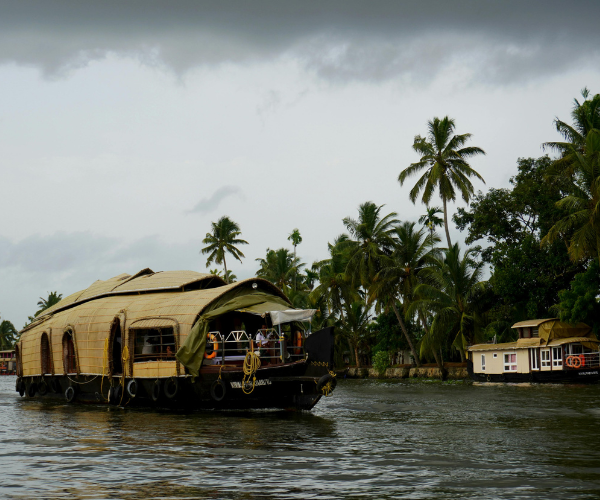
- Ayemenem, Kerala (Arundhati Roy — The God of Small Things) — Roy’s Booker Prize-winning novel is set in this small village in Kottayam district. The backwaters, the pickle factory imagery, the complicated family homes — the geography of the novel is very much real. Kottayam town is easily accessible; Ayemenem is a short drive from there.
- Lahori Gate and Old Delhi (Mirza Ghalib / Ahmed Ali) — Ghalib’s haveli in Ballimaran, Chandni Chowk, is a functioning museum. Ahmed Ali’s Twilight in Delhi gives you a map of a city that’s half-disappeared. Walk Chandni Chowk with either book in hand and you’ll see two Delhis simultaneously.
- Kolkata (Tagore / Bibhutibhushan Bandyopadhyay / Sunil Gangopadhyay) — Beyond Santiniketan, Kolkata itself is a literary tourism destination of rare depth. The Coffee House on College Street, the famous boi para (book market), the Marble Palace — the city’s relationship with literature isn’t nostalgic. It’s ongoing.
How to Plan a Literary Tourism Trip in 2026
Start with the book, not the destination. First, re-read the relevant sections. Then, note which locations the author describes specifically and which remain more impressionistic. This helps you decide whether to look for an exact address or simply immerse yourself in the broader landscape.
Next, focus on practical planning. Organisations such as the Jane Austen Festival network, the Brontë Society, and the National Trust support most major literary sites in the UK. Similarly, the ASI (Archaeological Survey of India) manages several heritage properties linked to literary and cultural figures across India. However, always check opening hours carefully—the Ghalib Haveli in Delhi, for example, often has irregular public access.
Another important consideration is timing. Whenever possible, plan your trip around literary festivals. The Jaipur Literature Festival (January), Tata Lit Live in Mumbai (November), and the Kerala Literature Festival in Kozhikode (January) combine literary tourism with opportunities to interact with renowned authors. Moreover, organisers run these events exceptionally well, and most are free or inexpensive to attend.
Finally, consider your budget. India’s literary destinations remain remarkably affordable. For example, you can spend an overnight stay in Santiniketan, including guesthouse accommodation and meals, for under ₹2,000 per person. Likewise, you can explore the Mysuru literary circuit over two days for around ₹3,500, including an Airbnb stay. By comparison, a weekend in Haworth or Bath can easily cost £300–500, making India’s literary landscape one of the country’s best-kept travel secrets.
Also read: Pilgrimage and Purpose: Gen Z’s New Path | The Forgotten Caves of Mahakali Hills