So there I was, stuck in a Delhi traffic jam, watching a tourist van plastered with American flags crawl past me. The side of the van read: “Himalayas Dream Tour @$4,200 per person.” Meanwhile, I’d just booked my own Spiti Valley trip for under Rs 35,000. I almost choked on my chai. If you’ve been sleeping on the Indian Himalayas 2026 travel tips circulating online, here’s your wake-up call.
American Express Travel just named the Indian Himalayas the #1 trending destination for 2026, beating out Las Vegas, Marrakech, and the Okinawa Islands. And while foreigners pay lakhs to reach what’s literally two hours from Delhi by air, we Indians sit on the world’s most coveted backyard like it’s just another long weekend option.
That stops today.
Why the World Is Suddenly Obsessed
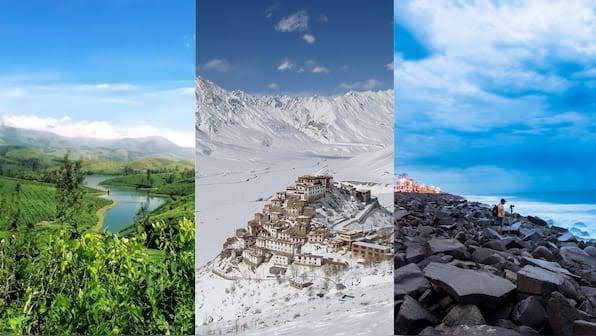
The Amex report, based on real global booking data from card members, points to a fascinating shift. Today, travellers aren’t chasing selfie spots anymore. Instead, they want transformative experiences. Spiritual weight. Raw landscapes. The kind of silence that makes your chest feel funny. In this regard, the Himalayas deliver all three, in spades.
Stretching across Himachal Pradesh, Uttarakhand, Sikkim, and Arunachal Pradesh, this region isn’t a single destination. Rather, it’s a dozen worlds stacked on top of each other. Moreover, for Indians, the cultural connection runs even deeper. This is the land of the Chardham Yatra, the home of Lord Shiva’s Kailash, the origin of rivers that gave us civilisation. Indeed, when a foreigner says “spiritual trek,” we call it Tuesday.
So, what makes the Himalayas hit differently in 2026? The answer is simple. Increasingly, people are finally craving meaning over mechanics. Instead, they want to feel small, productively small, against something vast. Ultimately, nothing on Earth does that job quite like standing at 4,000 metres with prayer flags flapping above you.
Top Indian Himalayas Trekking Routes for 2026
Here are the top zones to plan around:
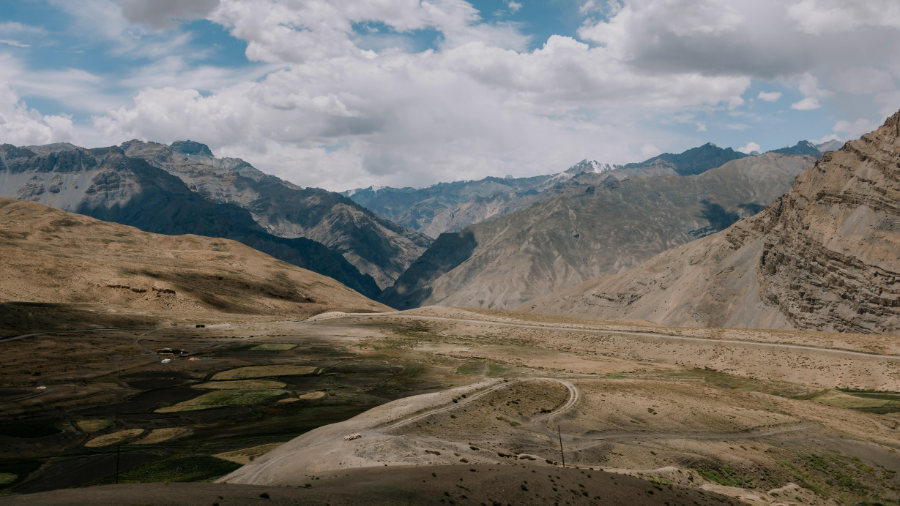
- Spiti Valley, Himachal Pradesh — A cold desert that looks like Mars crossed with a Buddhist monastery catalogue. Best visited May to October. Budget Rs 800–1,500/night for homestays in Kaza.
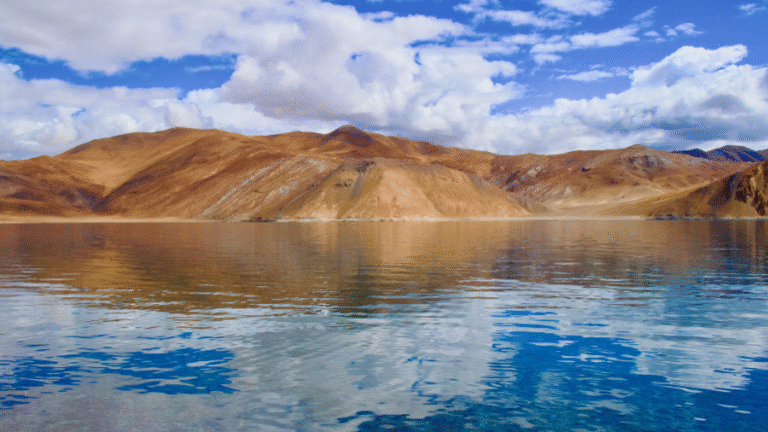
- Ladakh-Markha Valley Trek — Multi-day trail with village homestays, monasteries, and ridgelines that make your camera weep. Ladakh now requires Inner Line Permits for certain areas; get them online before you go.
- Kedarkantha, Uttarakhand — The winter trekker’s darling. Snow-covered summit, doable for beginners, approachable from Dehradun in under 9 hours.
- Goechala, Sikkim — Front-row views of Kangchenjunga. Sikkim’s trekking permits are managed strictly; book via a registered Sikkim tour operator well in advance.
- Tawang, Arunachal Pradesh — India’s most underrated Himalayan destination. Tibetan Buddhist culture, the Sela Pass at 13,700 feet, and practically zero crowds. An e-Inner Line Permit is mandatory for Indians too.
Also worth bookmarking: the India Tourism official portal has updated 2026 permit guidelines for most of these zones.
Travel Tips: The Season Question
This is the one question that separates a great trip from a miserable one.
- May to June: Pre-monsoon window. Roads open, flowers bloom, Spiti and Ladakh are dreamy.
- July to September: Monsoon chaos in most zones. Avoid Himachal and Uttarakhand highways. Ladakh is drier and often at peak beauty.
- September to October: The golden window. Post-monsoon clarity, fewer crowds, crisp air. Also the ideal time for Chardham Yatra to dodge the notorious traffic jams.
- December to February: Winter treks like Kedarkantha and the legendary Chadar Trek over the frozen Zanskar River. Cold enough to make your eyelashes freeze, spectacular enough to not care.
The Uttarakhand government has made biometric registration mandatory for pilgrimage routes in 2026. Don’t skip this step, you physically cannot enter without a valid QR code pass. Daily pilgrim caps are strictly enforced now, which is honestly a good thing. The ecosystem was gasping.
Budget Guide: Indian Himalayas Without Burning a Lakh
A 10-day Spiti Valley circuit from Delhi costs around Rs 30,000–45,000 if you’re smart about it. Typically, that covers a shared jeep or bus from Shimla, homestays averaging Rs 800–1,200 a night (including meals—because homestay aunties cook like they’re personally invested in your happiness), and all permits. When packing, focus on layering rather than bulk. Bring thermals, a windproof shell, good ankle-support boots, a reliable power bank, and cash.
After all, most villages run on spotty data and have zero ATMs. In fact, the nearest ATM to Kaza is a life lesson in humility. Most importantly, don’t skip altitude acclimatisation. Spend at least one night at an intermediate altitude before climbing higher. Additionally, Diamox is widely available, but consult a doctor before popping it like candy.
The Spiritual Layer: Why This Is More Than a Trek
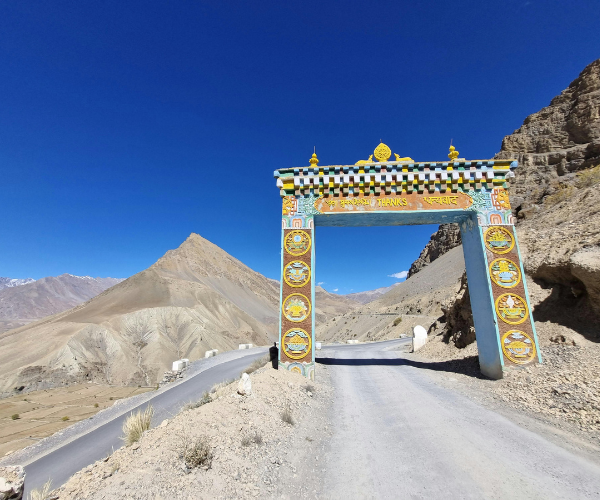
Here’s what separates an Indian Himalayas 2026 trip from any other adventure travel: the Himalayas aren’t just scenery for us—they’re theology.
Across the region, every mountain pass has a cairn, and every village has a monastery or a Shiva temple. For instance, the Chardham circuit—comprising Yamunotri, Gangotri, Kedarnath, and Badrinath—is arguably the most emotionally charged pilgrimage route on the planet. In fact, watching a 70-year-old grandmother from Tamil Nadu complete the climb to Kedarnath will recalibrate your understanding of human will entirely.
Likewise, the Buddhist monasteries of Spiti, including Key, Tabo, and Dhankar, are living libraries. Notably, Tabo Monastery, founded in 996 AD, houses murals so old and delicate they make the Louvre feel like a new construction. Even better, unlike European museums, you can sit inside, drink tea, and watch monks debate—there are no velvet ropes.
Ultimately, this is the India that the world is finally paying attention to. Fortunately, we’ve always had the keys.
Also read: India’s First Digital Nomad Village in Sikkim | Pilgrimage and Purpose: Gen Z’s New Path