
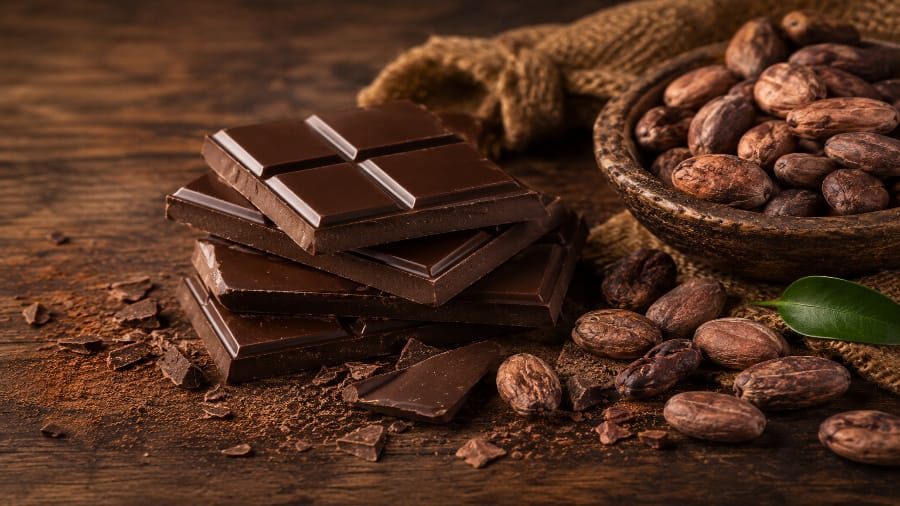
Chocolate is more than just a sweet treat; it’s an emotion, a celebration, and for many, an irresistible obsession. From gifting boxes on special occasions to late-night cravings, chocolate has become deeply woven into our everyday lives. But have you ever wondered about the origin of chocolate and how it became one of the most loved foods in the world?
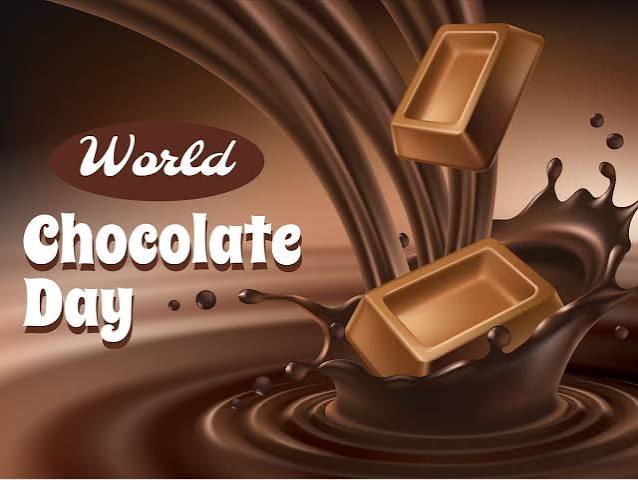
As we celebrate World Chocolate Day on 7th July, it’s the perfect time to explore the fascinating journey behind the origin of chocolate—from ancient civilisations to modern-day indulgence and understand why people simply can’t get enough of it.
World Chocolate Day and Its Significance
People believe this date marks the introduction of chocolate to Europe in 1550, when cacao first arrived from the Americas and began its transformation into the delicacy we know today. Over time, this day evolved into a global celebration of chocolate in all its forms, recognising not only its taste but also its cultural and historical importance. The idea behind World Chocolate Day lies in appreciating how a simple cacao bean shaped economies, influenced traditions, and became one of the most beloved foods worldwide. Today, chocolatiers, brands, and consumers alike celebrate it, each adding their own flavour to the occasion through new creations and nostalgic favourites.
The Origin of Chocolate

To understand the origin of chocolate, one must travel back thousands of years to Mesoamerica, where ancient civilisations like the Mayans and Aztecs first cultivated cacao. Unlike the sweet and creamy chocolate we enjoy today, early forms were consumed as a bitter, spiced drink. The cacao tree, known scientifically as Theobroma cacao or “food of the gods”, held immense cultural and economic value.
The Mayans considered cacao sacred and used it in rituals, while the Aztecs went a step further by using cacao beans as currency. Both spirituality and trade deeply shaped the origin of chocolate. When Spanish explorers brought cacao to Europe in the 16th century, it underwent a transformation. Sugar, milk, and new preparation techniques turned it into a sweeter and more accessible product.
Over centuries, innovation led to the creation of solid chocolate, chocolate bars, and a wide range of confections. The origin of chocolate remains a fascinating journey from a ceremonial drink to a global industry worth billions.
Although the story of chocolate in India began in 1798 when the British first brought cacao to Tamil Nadu. However, the modern chocolate industry only truly took off in 1948 when Cadbury introduced imported chocolate bars to the Indian public.
Unique Creations Beyond the Origin of Chocolate
Chocolate has evolved far beyond traditional desserts, and today, chefs and home cooks experiment with it in surprising ways. One of the most interesting trends is the use of chocolate in savoury dishes. Dark chocolate, with its rich and slightly bitter profile, pairs exceptionally well with spices and meats. Dishes like chocolate-infused chilli or mole sauce, a traditional Mexican preparation, showcase how chocolate can enhance depth and complexity in food.
Another unconventional creation is chocolate pasta, where chefs incorporate cocoa into the dough to create a subtle yet intriguing flavour. They often pair it with creamy or nut-based sauces, creating a balance between sweet and savoury.
Similarly, chocolate barbecue sauces are gaining popularity for their smoky and slightly sweet undertones. For those who prefer desserts but want something different, chocolate and cheese pairings offer a unique tasting experience.
Dark chocolate combined with aged cheese creates a contrast that is both bold and refined. Even beverages are being reimagined, with chocolate-infused coffees and artisanal hot chocolates featuring spices, herbs, or even citrus notes.
These creations highlight how chocolate continues to evolve, pushing boundaries and redefining how we experience it.
The Psychology Behind the Chocolate Obsession
The love for chocolate is not merely about taste; it is deeply connected to human psychology and biology. Research suggests that chocolate stimulates the release of neurotransmitters such as serotonin and dopamine, which are associated with feelings of happiness and pleasure. This explains why people often turn to chocolate during moments of stress or emotional lows.
Studies published in journals like Appetite and Nutrients have shown that both physiological responses and emotional conditioning drive chocolate cravings. The combination of sugar, fat, and texture creates a sensory experience that is highly rewarding for the brain. Additionally, compounds like theobromine and small amounts of caffeine contribute to a mild stimulant effect, reinforcing repeated consumption.
The origin of chocolate also plays a role in its psychological appeal. Its historical association with luxury, celebration, and gifting has conditioned people to view it as a symbol of comfort and indulgence. Over time, this association strengthens emotional attachment, making chocolate more than just food.
Furthermore, cultural influences and marketing have amplified this obsession. From festive advertisements to premium packaging, brands consistently position chocolate as a reward or treat, reinforcing its desirability. The interplay between biology, emotion, and culture makes chocolate one of the most craved foods globally.
Conclusion
From its ancient beginnings to its modern-day variations, the journey of chocolate is both rich and complex. Understanding the origin of chocolate allows us to appreciate not just its taste but also its cultural and historical significance. As World Chocolate Day reminds us each year, chocolate is more than an indulgence; it is a story of transformation, innovation, and universal appeal.
Whether enjoyed in its simplest form or as part of an experimental dish, chocolate continues to captivate people across generations. Its enduring charm lies in its ability to comfort, excite, and connect, making it truly timeless.
So enjoy your favourite chocolate today without any guilt!!
Follow The World Times for more such updates.


Now I know why chocolate is so hard to resist.
Exactly! There’s actually a lot of science behind why it’s so addictive.