
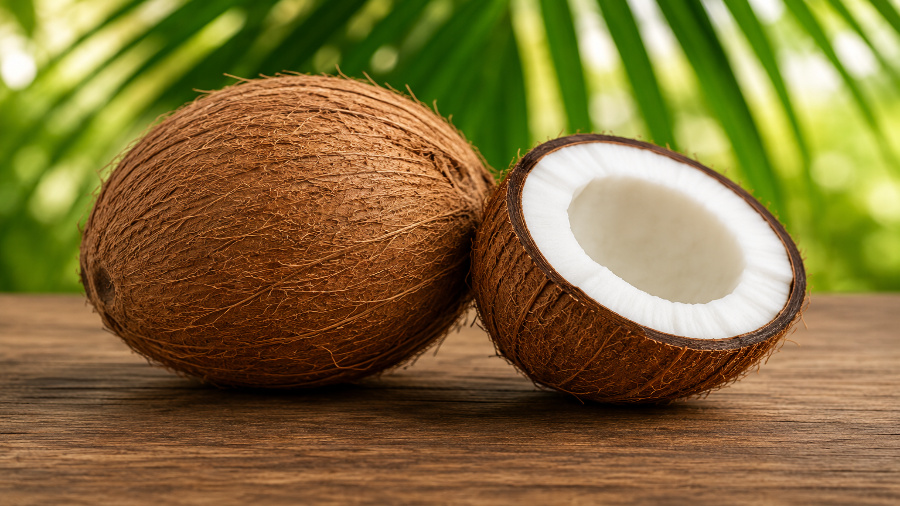
On account of national coconut day let’s know more about coconut uses. So coconut is more than just a tropical fruit. Across the world, people value it as a versatile and useful natural resource. Its benefits go far beyond taste. From daily meals to skincare routines and eco-friendly products, coconut plays an important role in modern life. Because of its wide range of applications, coconut continues to gain attention in both traditional and contemporary settings.
Coconut Uses in Traditional Cuisine
In many parts of India, especially in the southern regions, coconut holds a special place in cooking. It adds richness, aroma, and depth to a variety of dishes. For instance, freshly ground coconut forms the base of popular chutneys served with dosa and idli. These combinations are not only delicious but also deeply rooted in culture.
Apart from chutneys, coconut milk enhances the texture of vegetable and paneer curries. Its natural creaminess creates a balanced flavor without the need for heavy dairy products. During festivals, families often prepare sweets like coconut laddus, which bring both taste and tradition together.
A simple dish like coconut rice proves that even basic ingredients can create satisfying meals. Meanwhile, coconut water blends easily with fruits such as mango and banana, resulting in refreshing smoothies. Such preparations highlight how coconut uses remain essential in everyday cooking.
Modern Coconut Food Trends

Food habits are changing, and coconut has adapted to these trends with ease. Today, many cafés and restaurants include coconut-based options in their menus. Instead of regular milk, people often choose coconut milk in coffee or tea. As a result, coconut milk lattes and iced coffees have become widely popular.
Beyond beverages, brands now offer coconut-based ice cream, yogurt, chocolates, and protein snacks. These products appeal to individuals who prefer plant-based or dairy-free alternatives. In addition, smoothie bowls topped with coconut flakes are widely shared on social media, making them both trendy and visually appealing. Another rising ingredient is coconut sugar. Compared to refined sugar, it is seen as a more natural option. Due to these developments, coconut has gained recognition as a superfood. Its growing presence in modern diets shows how traditional ingredients can evolve with time.
Coconut water has also become a popular choice for hydration, especially among fitness enthusiasts and athletes. Its refreshing taste and natural electrolytes make it a preferred alternative to sugary drinks. At the same time, growing awareness of sustainable and plant-based eating has further increased the demand for coconut products.
Click here to try the coconut ice-cream recipe!
Coconut Uses in Beauty and Hair Care
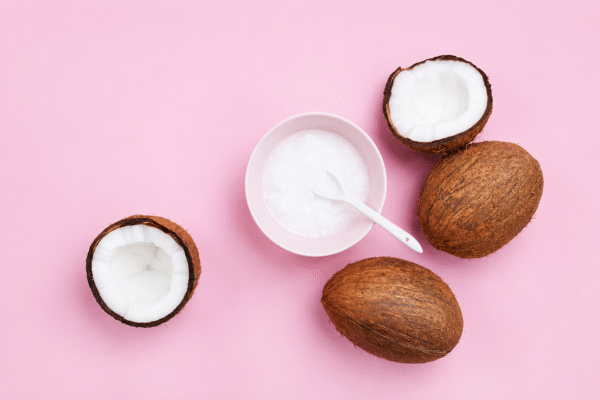
Natural beauty solutions have gained popularity, and coconut stands out in this space. Coconut oil works as an effective moisturizer that keeps the skin soft and hydrated. Unlike many chemical-based products, it offers a gentle and nourishing experience.
Hair care routines also benefit from coconut oil. It strengthens the roots, reduces dryness, and improves overall texture. With regular use, hair appears shinier and healthier. This makes coconut a reliable option for people looking for simple and natural solutions.
In addition, coconut contains essential fatty acids, antioxidants, and lauric acid. These compounds help fight bacteria and support skin health. They also reduce inflammation, which benefits both the skin and scalp. Because of these properties, many skincare and haircare brands include coconut in their products.
Coconut Uses in Industry and Sustainability
Beyond personal use, coconut plays a key role in sustainable practices. The wood from coconut palms is strong and durable, making it suitable for construction and furniture. In tropical regions, builders often rely on this material due to its availability and strength.
Coconut fibers, known as coir, have several practical uses. Manufacturers turn them into ropes, mats, and brushes that last for a long time. Recently, industries have started using coir in eco-friendly packaging and gardening products. This shift supports efforts to reduce plastic waste.
Creative use of coconut shells also contributes to sustainability. Artisans transform them into handicrafts, while industries convert them into charcoal. Such practices ensure that no part of the coconut goes to waste. As a result, coconut supports a zero-waste lifestyle and promotes environmental balance.
Why Coconut Matter Today
In today’s fast-changing world, people look for solutions that are both natural and sustainable. Coconut meets these needs in multiple ways. It provides nourishment through food, supports self-care through beauty applications, and reduces environmental impact through eco-friendly uses. Another reason behind its importance is its adaptability. Whether in a traditional kitchen or a modern café, coconut fits easily into different lifestyles. Its natural composition also makes it a safer and more reliable choice for daily use.
Coconut is not limited to one purpose. Instead, it serves as a complete resource that connects food, beauty, and sustainability. Its wide range of applications makes it valuable for both individuals and industries. As awareness about healthy living and environmental care continues to grow, coconut will remain relevant. Choosing coconut-based products is not only beneficial for personal well-being but also supports a more sustainable future. In many ways, coconut proves that simple natural resources can have a powerful impact on our lives.
And to end up let’s go with an interesting fact Coconuts can float, travel up to 3,000 miles across the ocean, and still germinate in a new location.
Follow The World Times for more such updates.


It’s amazing how versatile coconuts are!
Absolutely! From food to skincare, coconuts do it all!