The FIFA World Cup is an extraordinary celebration of sportsman spirit uniting football enthusiasts from every corner of the world. The final match is scheduled to take place on July 19th 2026 at MetLife Stadium, New Jersey, USA. The opening ceremony captivates more than just fans eagerly awaiting to see their favorite athletes compete on the field. Performances are usually viewed as spectacular events blending national pride with cultural heritage. They are meant to represent the country on an international platform.
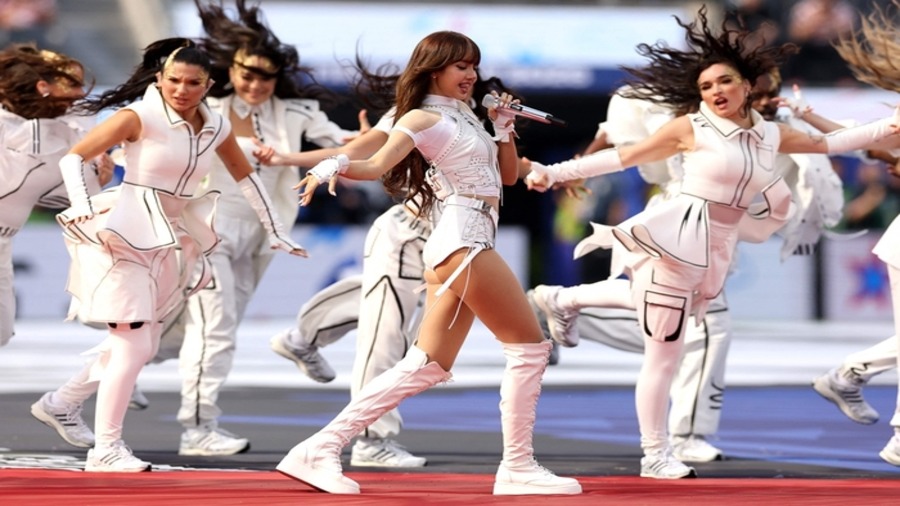
Since in 2026 there were three host nations; US, Mexico and Canada, the performances were split into three separate events. Lisa Manobal from BLACKPINK stole the spotlight at the opening ceremony in Los Angeles on June 12, 2026. The event took place at SoFi Stadium right before the USA faced Paraguay. She captivated the audience by performing the tournament’s official anthem, “Goals,” alongside the Brazillian singer Anitta and the Nigerian rapper Rema.
Click here to watch the full live performance.
Lisa’s “Goals” and the Public Response
Fans associated with BLACKPINK for years showered praises for their beloved K-Pop idol. Lisa energized the whole stadium. Not just the audience but also the FIFA organizers were soon grooving to her beats and powerful vocals. The twenty nine year old star absolutely owned her confidence appreciated by critics and admirers. Although she sang while performing, she did not allow other accompanying dancers to steal the spotlight.
However, many sport fans found her steps objectionable involving the twerking. Others remain divided on whether the lyrics of her song truly capture the essence of an official tournament anthem. Amidst the entire controversy, what stood out was this question: Are modern sporting events focusing more on entertainment than on the heart of the sport itself?
“My body, my fit/…I look so good, ain’t worried ’bout nothing” : World Cup Song or Objectification?
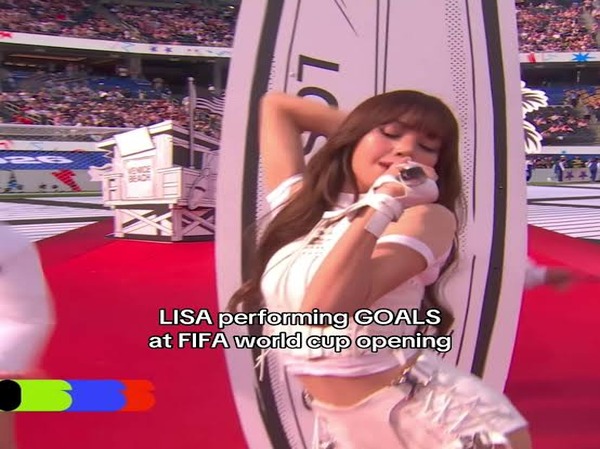
Recent trends reveal a specific pattern where male audiences in the stadium expect female artists to perform in a way that satisfies them. During halftime shows, cheerleading performances, and sporting events, they must become entertainers from artists. This includes carrying themselves in revealing costumes to meet the demands of the “male gaze”, following suggestive steps by the predesigned choreography, and subjecting themselves to vulgar hooting from the audience.
Advertisements and media have often depicted women as rewards for male athletic achievement or as objects of visual appeal. Cheerleaders are rarely identified as professionals in their own right but rather as a prize. Lisa’s steps involved hip-focused dance movements commonly associated with contemporary pop performances. A welcoming smile sported her face in the face of her objectification followed by some sensual gestures.
World Cup Entertainment and the Double Standard for Women
While debates around Lisa’s performance keep surface, they reveal a common double standard. Large sporting events such as the World Cup always use music, dance, and visually striking stage performances because organizers understand that commercialization of women’s bodies is part of global entertainment. Millions of male viewers who actively enjoy them design these performances.
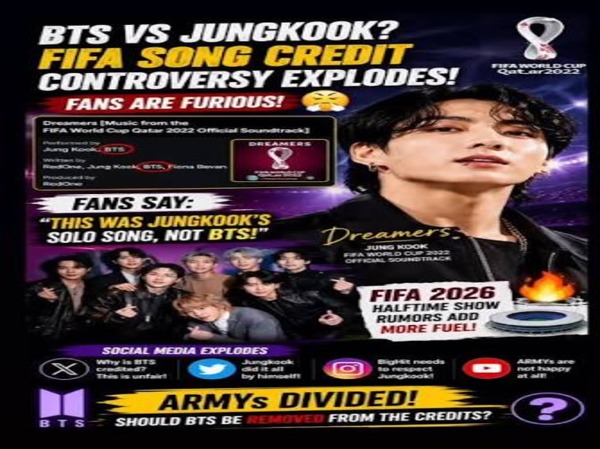
However, it is the female performer who receives the criticism during such controversies rather than at the organizers or producers. Lisa received extensive backlash from viewers on Instagram. They rebuked her as not only “self-absorbed” but also called it “the worst song in the history of FIFA” compared to performances by Shakira and Jungkook. Ironically, those who celebrate the other K-pop idol often ignore the graver accusation surrounding his 2022 FIFA World Cup song in Qatar. Rather than crediting himself alone, the release prominently featured BTS. Thus, critics had blamed Jungkook of using the group’s name as a promotional stunt on the World Cup stage.
Entertainment or Sporting Spirit?
With iconic World Cup bangers like “Waka Waka” (Shakira, 2010), “The Nights” (Avicii, FIFA 15), “Wavin’ Flag” (Knaan, 2010), and the official 2026 anthem “Dai Dai” (Shakira & Burna Boy), FIFA has set a standard for football anthems. These songs not only symbolized cultural heritage or respective nationalities but they also raised an entire generation after millennials. However, in recent years, the opening and closing ceremonies organized by FIFA aims to attract a broader audience through the appeal of glamour and entertainment. This section of viewers may extend beyond the enthusiasts of football.
The 2026 tournament continues that trend. FIFA has announced the first-ever World Cup Final Halftime Show at the New York New Jersey Stadium, with BTS joining Madonna and Shakira as co-headliners. Music undoubtedly adds excitement to the tournament and broadens its cultural appeal. However, it also raises a broader question: when entertainment becomes increasingly centred on spectacle, where should the balance between commercial performance and the sporting identity of the World Cup be drawn?
Follow The World Times for more such updates.