
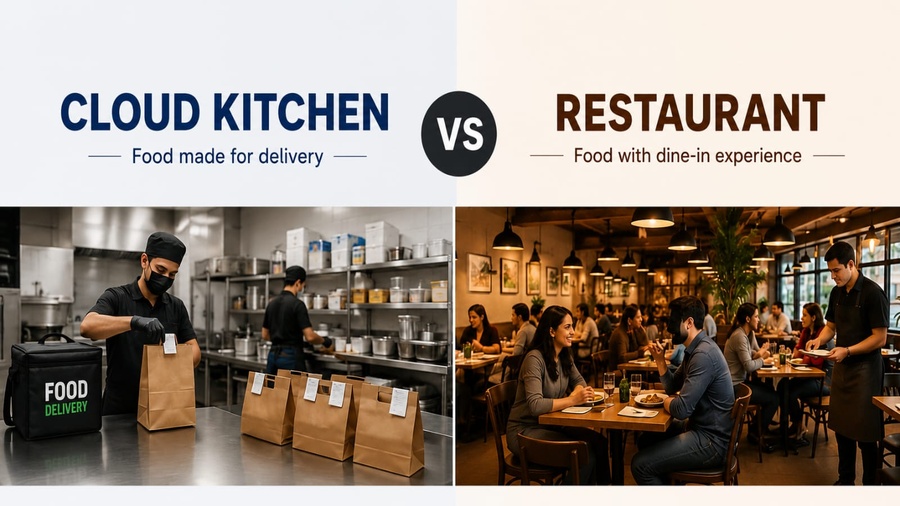
Cloud kitchens vs restaurants reflects how eating habits have changed. Food delivery apps have made cloud kitchens more common than ever. At the same time, restaurants continue to attract people who enjoy going out.
So, what are we really paying for? Is it just the food, or something more?
Cloud Kitchens and Restaurants
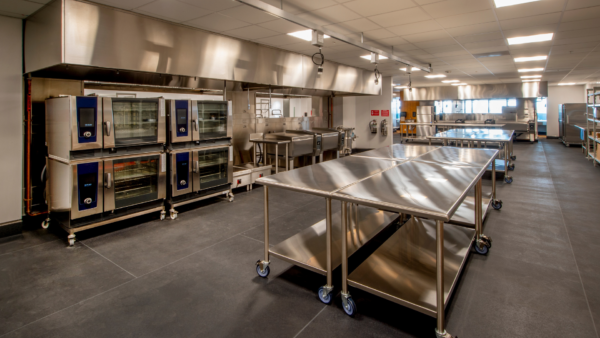
Cloud kitchens are delivery-only food businesses. They do not offer dine-in services. Instead, they operate through apps like Zomato and Swiggy. Most of these kitchens run multiple brands from one space. Because of this, they focus on speed and efficiency. The goal is simple—prepare food quickly and deliver it without delay. Restaurants offer a different experience. They are not just about food. They also focus on ambience, service, and presentation.
Why Restaurants Still Matter
Restaurants continue to hold value because they offer more than just food. They provide a space to relax, connect, and enjoy the moment. For many people, dining out is about the experience as much as the meal. This emotional value keeps restaurants relevant.
Cloud Kitchens vs Restaurants: Quick Comparison
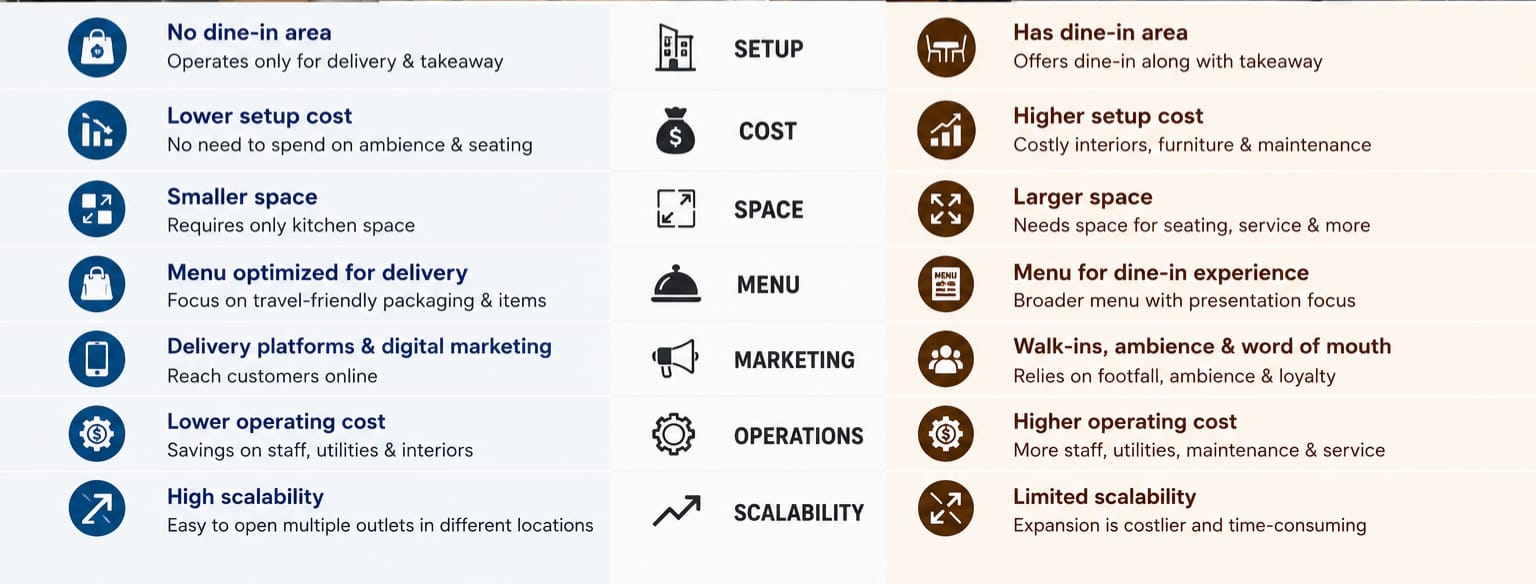
Cloud kitchens operate entirely without a physical dining area, focusing solely on preparing food for delivery and takeaway. This minimalist approach allows them to thrive in smaller, less expensive locations like industrial zones or backstreets. Conversely, dine-in restaurants demand spacious, prime real estate to comfortably accommodate guest seating alongside kitchen facilities.
Operating a cloud kitchen involves significantly lower overhead due to reduced rent and minimal staffing needs. Their workforce is strictly limited to back-of-house culinary teams, keeping labor costs highly manageable. In contrast, traditional restaurants must employ comprehensive front-of-house teams, including servers, hosts, and managers.
Menus in delivery-only concepts prioritize speed, efficiency, and items that travel well in specialized packaging. Because they lack face-to-face interaction, these digital brands rely heavily on app visibility and targeted online advertising to attract customers. Dine-in establishments focus intensely on food presentation, hospitality, and the overall sensory experience of eating out.
The streamlined nature of cloud kitchens makes them incredibly agile and easy to replicate across new markets. Operators can quickly launch new culinary brands or expand to different neighborhoods with minimal financial risk. On the flip side, replicating a full-service restaurant remains a slow, capital-intensive endeavor.
Click here for a detailed comparison!
The Psychology Behind Cloud Kitchens vs Restaurants Debate
When you visit a restaurant, you pay for comfort and hospitality as well. This makes the experience more immersive. It also explains why restaurants often feel more expensive. The way we think about spending also changes. When ordering online, we expect value in terms of quantity and taste. However, when dining out, we are more willing to pay for comfort and atmosphere. This shift in mindset explains the core of the cloud kitchens vs restaurants debate.
Final Thoughts
Cloud kitchens vs restaurants is not about which option is better. It depends on what you value more. If convenience matters most, cloud kitchens are a great choice. However, if you enjoy ambience and social interaction, restaurants are worth the extra cost. In the end, you are not just paying for food—you are paying for how you experience it. The next time you order food or step into a restaurant, ask yourself one simple question: Am I paying for food, or for the experience?
Your answer defines the true difference between cloud kitchens vs restaurants.
Follow The World Times for more such updates.


Interesting take! Do you think cloud kitchens will eventually replace traditional restaurants, or will both always coexist?
I think they’ll coexist. Sometimes you want speed, sometimes you want the whole dining experience.
Casinoplusph is where it’s at! Legit site design, and easy to use games! Give it a chance: casinoplusph