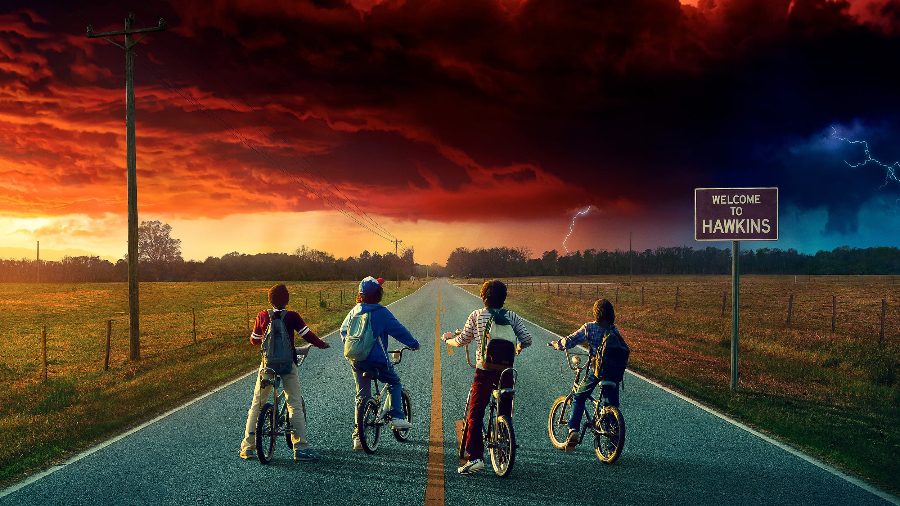
The only thing stranger than the bathos of Stranger Things is the dying hype around it. As one of the most promising shows nearly 10 years ago, Stranger Things quickly found a home in the hearts of people. Yet when it completed its ten-year run in 2026, something felt missing – Netflix’s showstopper is detached from its showrunner, actors, and most importantly, its fans.
So, what actually went wrong?
Humble Origins: What “worked” for the Stranger Things?
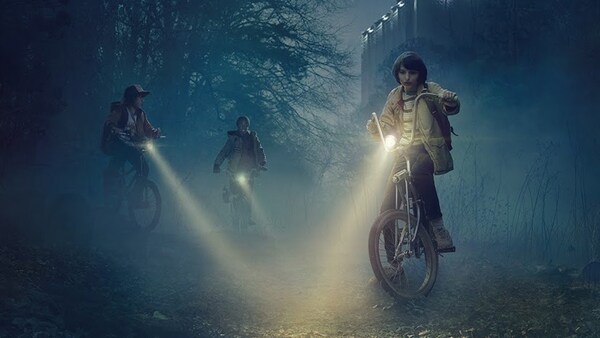
Set in the fictional Hawkins, Indiana, in the 1980s as the prototypical “missing boy in a small town”, Stranger Things garnered a quick audience among children and adults alike. The Stephen King readers, the Spielberg viewers, the sci-fi lovers gathered around for a dose of nostalgia.
Additionally, for the kids, it was a renaissance to the glorious 80s – The Clash, Tom Cruise, ET, Ghostbusters, Dungeons and Dragons, Halloween, Skating, and most importantly, the wistfulness of a small town drew large crowds.
Nerdy outcasts with bikes and D&Ds, a little, bald girl with powers, Christmas lights, CIA conspiracy theories – all worked in favour of Netflix’s rising popularity. A bunch of youthful faces – Millie, Sadie, Caleb, Finn, Noah, Gaten, Priah, Joe, Maya, Natalia and Charlie, along with the more experienced likes of Winona Ryder, Matthew Modine, and David Harbour, enchanted audiences.
The first two seasons leveraged the “emotional quotient” – broken families, the vitality of youth, self–recognition, along with a pure friendship ritual. “Friends don’t lie” became a cultural catchphrase.
Before it was all monsters and high budgets, we had Eleven and the team indulging in childish fights, Nancy and Jonathan recognising the toxic patterns of their families, Hopper going through an existential crisis, Papa being an expert at his job, and the loudest of all, Joyce’s intuition. They weren’t just prototypes: they were humans carved out of flesh and blood.
Budget Rises: Season 3 and Summer
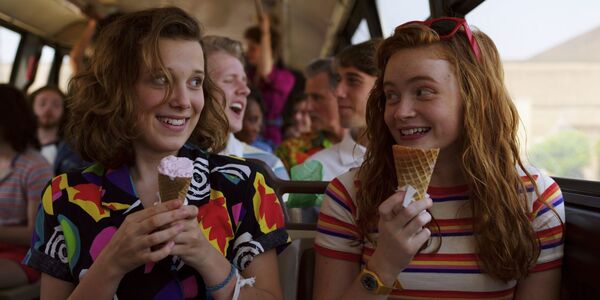
Season 3 marked a radical departure from the first two seasons. Instead of preserving Hawkins’ dark, eerie, and Lovecraftian atmosphere, the show embraced a bright summer aesthetic. Consequently, the supernatural horror moved from forests, tunnels, and suburban backyards to the neon-lit corridors of a shopping mall.
Meanwhile, the series abandoned the moody, wintery feel that had defined its identity. Although the cinematography showcased a bigger budget, it also shifted focus away from the central mystery and themes.
Furthermore, the season introduced larger set pieces, a bigger cast, and a more grotesque Mind Flayer. Yet something felt missing. Gradually, Hawkins lost the small-town charm that grounded the story. At the same time, the Russians entered the narrative and brought blockbuster-scale spectacle. However, the series never fully explained their presence or integrated them naturally into the plot.
As a result, the show no longer felt like Stranger Things. Instead, it felt like a Netflix headliner that prioritized spectacle over the intimate storytelling that once defined it.
Season 4: Bigger, better, bolder?
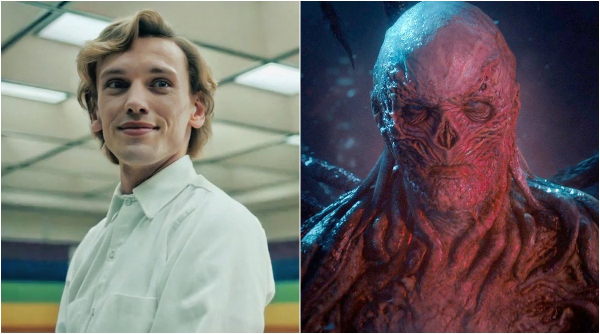
A venture into the history of Hawkins Lab, Eleven’s past, and Vecna interested audiences for a while. Volume 1 worked well for raising the expectations. For a moment, old Hawkins had returned: it was dark, it was eerie, Vecna was a force to reckon with.
The original team, however, was separated: Hopper and Joyce were in Russia, Will and the gang in California, and Nancy and team in Hawkins. Charted out as the Infinity War of Stranger Things, it delivered riveting performances from Sadie Sink, Joseph Quinn, and Jamie Campbell Bower. Vecna’s voice modulation, an eight-hour prosthetic makeup stint, and the overall backstory hit the sweet spot again.
However, by then, Stranger Things had become another Netflix money-making machine.
A host of new characters replaced the original arcs. Nancy and Jonathan were off, Mike and Eleven felt like strangers, Jonathan and Joyce did not interact, and the less explored topic of Will’s sexuality swam up. The actors aged up, while the characters were still kids.
Volume 2 felt like a rushed ending with much explanation left. Vecna was dismantled with a Molotov cocktail(unbelievable after all the havoc he is capable of causing), the town is split, and Eleven is on the run. Audiences are clearly divided.
Only saving grace – Papa’s death after 3 unsuccessful attempts.
Season 5: Stranger Things no more
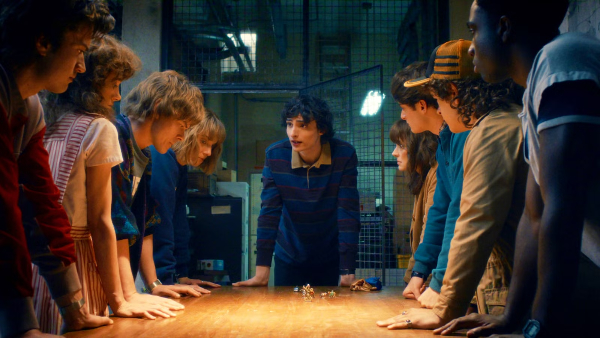
2025 was the Endgame. Three years of waiting, countless answers, numerous aspirations.
But it slides down like an avalanche – quickly, causing much harm to the fandom.
Unanswered storylines, regressive characters, false emotional plays. It adds no value to the indie show once conceptualised out of a conspiracy theory. It is money thrown away as an obligation.
A broken screenplay dominates – an axe finishes Vecna, the most powerful foot soldier of the Mind Flayer. A three planetarian system with a wormhole (with no logical explanation), a forgotten Russian gate, a fully functioning lab in the hostile Upside Down, a badly handled CGI Mind Flayer, overused jokes about the Steve-Nancy-Jonathan love triangle, a breakup proposal with no meaning whatsoever, and the list goes on.
Moreover, audiences loved the characters more than the story at some point. The writers undermine that. No one shows any emotion, Will comes out to practically anyone and everyone at hand, Eleven dies to preserve the status quo – a fanfic author could’ve been a better writer for the finale. Inconsistencies ruin the show.
The epilogue serves a dream-like limbic purpose – the kids and the teens drift off on their journey, the adults settle down, and everyone moves on from Eleven.
What started as a survival story for the “little bald girl” ends as a nightmare for fans. Essentially dismissed to preserve childhood innocence and magic, it strips Eleven of the dignity she held, reinforcing stereotypes all over again.
The Mage vanishes with the fantastical world that she created. The heroine is written out of her own story.
Final Word
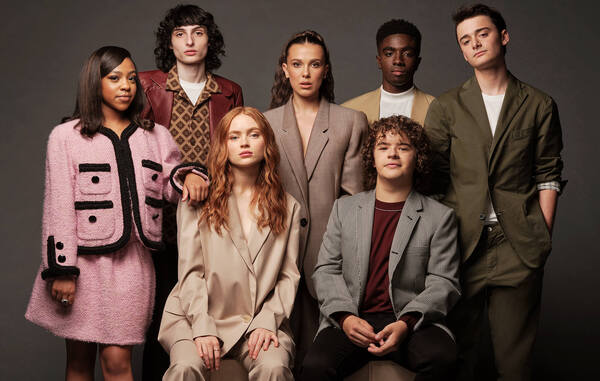
The fandom is quick to respond to the disservice generated. Criticisms flow in for the Duffer Brothers and Netflix, the crew denies celebrating the ending, pointing to an internal strife that might have led to such a disastrous ending. A show once celebrated for its indie vibe becomes a consumerist fallacy.
Ten years, one show, numerous kids growing up with the nostalgia. The finale might have been a nod to the apparent growing up of the cast and the audiences alike – a departure from the whimsical world of conspiracies, monsters, and the power of friendship.
Yet whenever an edit soars up on social media, fans can’t help but feel nostalgic.
Ultimately, Stranger Things failed to uphold the cultural impact that it promised, but left a mark nonetheless. A Kate Bush song or any 80s reference will inevitably take us back to the days when the show was about fighting the monsters both within and outside us.
Follow The World Times for more such news.