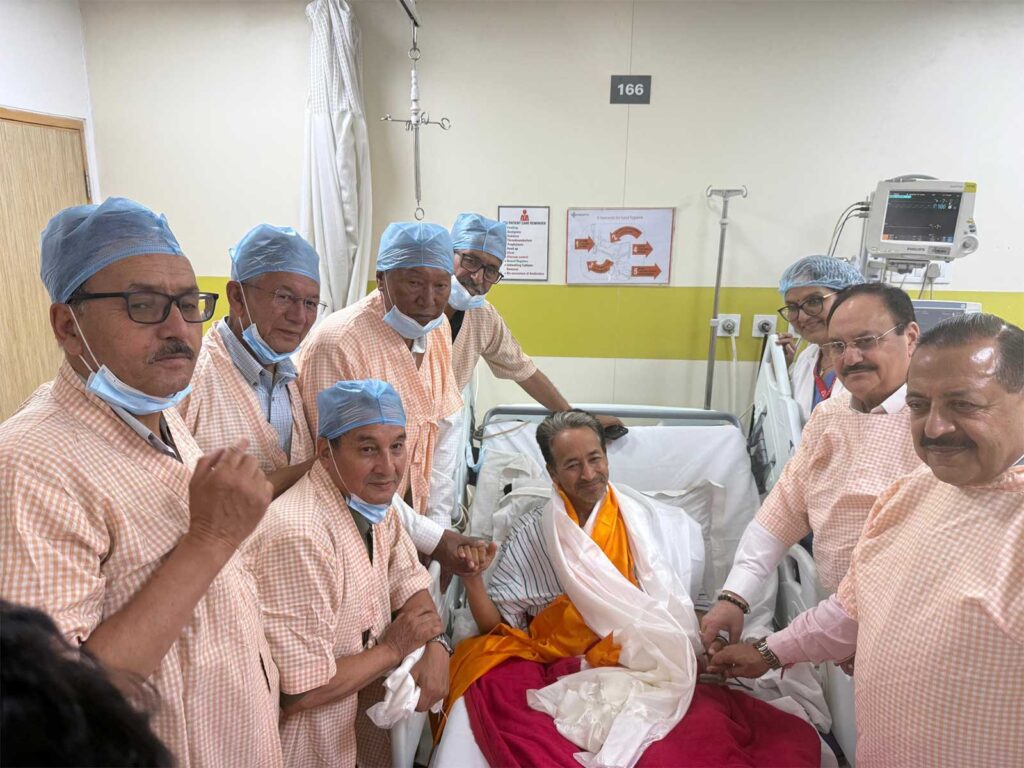
After nearly four weeks without food, environmentalist and education reformer Sonam Wangchuk ended his 26-day hunger strike. This decision brought a key phase of his protest to a close. The decision followed a series of discussions with Union Health Minister JP Nadda, Union Minister Jitendra Singh, and senior representatives of the Apex Body of Leh Ladakh. These discussions raised fresh hopes that the issues behind the protest could now be addressed through dialogue.
Sharing the update on X, Wangchuk said the decision came only after prolonged negotiations and careful thought. He hinted that several factors influenced his decision to end the fast. These included developments during discussions with the Centre. However, he added that he would explain everything in detail through a video message in the coming days.
The activist also revealed that many public figures had appealed to him to discontinue the fast. According to Wangchuk, more than 60 Members of Parliament from across party lines either met him personally or wrote to him. They expressed concern over his health. They also urged him to end the protest. Despite these requests, he said he chose to continue. He waited until meaningful discussions had taken shape. He also wanted reason to believe that further engagement with the government was possible.
A Call for Calm by Sonam Wangchuk
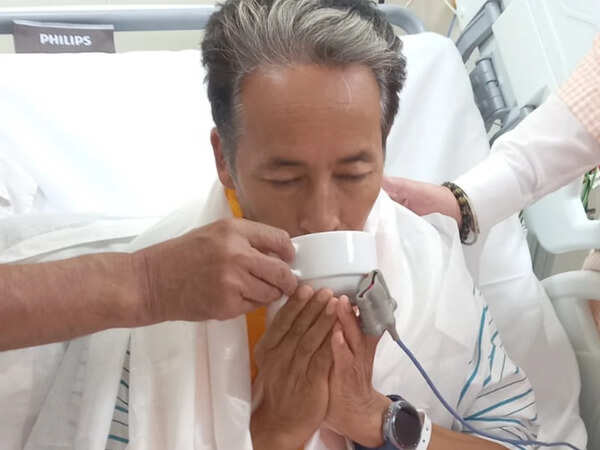
Even as he announced the end of his fast, Wangchuk made it clear that the movement itself was far from over. He urged supporters to remain peaceful and not allow emotions to derail the larger objective.
He cautioned that any form of violence would only weaken the cause and distract attention from the issues that had brought thousands of people together. According to him, maintaining peace and public discipline would be essential as negotiations move ahead. He also assured supporters that the understanding reached during the talks, along with the reasons behind his decision, would soon be shared openly.
Centre Signals Willingness to Continue Discussions
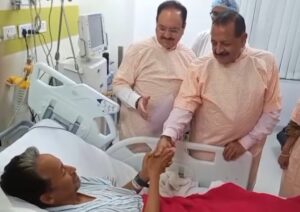
The Union Government, meanwhile, maintained that it remains committed to resolving the matter through dialogue.
Union Minister Jitendra Singh said the Centre had repeatedly conveyed its readiness to engage with representatives of the protest. He added that it was willing to continue those conversations. He stressed that the government was not approaching the issue as a political contest. Nor was it treating the matter as a question of prestige. Instead, it was seeking a practical way forward.
Singh added that both he and Union Health Minister JP Nadda were prepared to personally participate in the discussions. He described dialogue as the only sustainable way to address concerns. He also appealed to students, youth representatives, and members of the protest movement. Furthermore, he urged them to continue engaging with the government in a constructive manner.
Sonam Wangchuk Supporters Await Official Invitation
Despite the government’s public statements, the Cockroach Janata Party (CJP), which has backed the agitation, said it was still waiting for formal communication regarding the next round of talks.
Chief spokesperson Saurav Das said the organisation had already suggested venues. These included Jantar Mantar and the Constitution Club of India. He added that the organisation remained open to discussions. However, he noted that officials had not yet confirmed the venue, schedule, or format of the meeting.
Focus Shifts to Negotiations After Sonam Wangchuk Ends Fast
Before ending the hunger strike, doctors shifted Wangchuk from Delhi’s Safdarjung Hospital to Medanta Hospital in Gurugram. They acted on the directions of the Delhi High Court. Concerns over his health intensified after nearly four weeks without food.
Although the fast has concluded, the larger questions raised during the protest remain unresolved. The coming weeks are now expected to focus on negotiations between the government and representatives of the movement. Whether those discussions produce lasting results remains to be seen. However, Wangchuk’s decision has created an opportunity for both sides. It allows them to continue the conversation across the negotiating table rather than through confrontation.
Read more on ANI.
Follow The World Times for more such updates!