
Music Videos as Cinema (Source: MMT Entertainment)
Music videos weren’t always art. For years, they existed solely to move product i.e. three minutes of promotional footage where bands mimed their hits against coloured backdrops. When MTV launched in 1981, most videos looked like afterthoughts because that’s exactly what they were. Directors pointed cameras at performers and called it done.
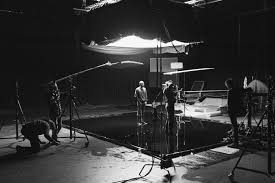
The Shift in Music Videos
But something changed in 1983. Michael Jackson dropped Thriller and it wasn’t just a music video. It was a 14 minute horror film with John Landis. Meanwhile MTV was transforming living rooms into screening venues. Suddenly, artists needed visual identities as strong as their sound.
Peter Gabriel’s Sledgehammer took Stephen Johnson’s team sixteen weeks to animate using stop motion. Every frame required careful repositioning of clay, fruit and chicken parts. The result was impressive. It demonstrated that videos can be beautiful, completely absurd all at once. Around the same period, Chris Cunningham worked on Aphex Twin’s Windowlicker. It turned into a disturbing, body-horror style video. Even art critics started taking it seriously.
Then vs Now
Commercial to Cinema
The technical side has also changed a lot. Directors now use every tool available to bring their ideas to life. But the bigger change is not technical. It is about thinking. Music videos no longer only ask, “How do we sell this song?” Instead, they ask, “What does this song mean today?” This change has turned music videos from simple promotion into something closer to cinema.
For more updates, follow The World Times