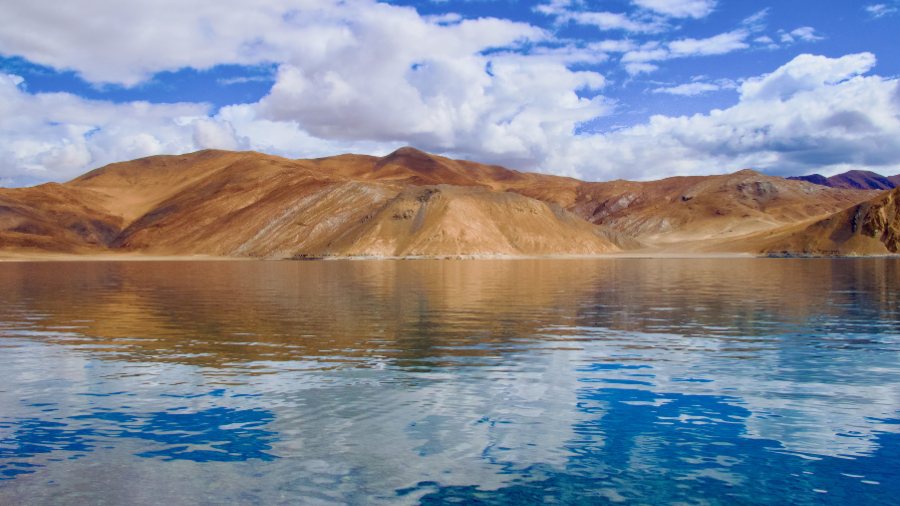
The single most counterintuitive travel fact about India is this: the best time to visit Ladakh is during the Indian monsoon. While Coorg is underwater and Shimla has declared a landslide advisory, Ladakh is sitting at 3,500 metres with clear skies, 18°C temperatures, and Pangong Lake doing its best Caribbean impersonation against snow-capped mountains. So, this Ladakh monsoon travel guide 2026 is for everyone who keeps hearing “Ladakh is risky in July” and nodding along without questioning it.
The reason is simple. Ladakh is in a rain-shadow zone. In other words, the Himalayas physically block the southwest monsoon from crossing into the region. As a result, the statistics back this up: Leh receives under 100 mm of annual rainfall. By comparison, Mumbai gets that much rain in a single July afternoon.
June through September is not just passable in Ladakh. It is Ladakh’s peak travel season, as per Wego’s 2026 monsoon travel report. Flights from Delhi are more frequent. The roads to Nubra Valley and Pangong are open. The Zanskar River route through Padum (typically closed in winter) is accessible. This is the version of Ladakh that the films use.
Is Ladakh Safe to Visit During Monsoon in 2026?
Yes, and it’s arguably the best month to go. In fact, the peak travel season runs from June to September. However, the only significant risk is altitude sickness on arrival in Leh, which sits at 3,524 metres. Importantly, that risk doesn’t change with the season.
That said, the actual risks are on the roads outside Ladakh. For example, the Manali-Leh Highway crosses Rohtang Pass (4,000 metres) and is vulnerable to washouts caused by rain on the Manali side, rather than in Ladakh itself. Therefore, if you are taking this route during the monsoon, check road conditions daily. Alternatively, many travellers choose to fly into Leh to avoid these disruptions altogether.
What to See in Ladakh: Monsoon Season Highlights
- Pangong Tso — the lake spans India and China and changes colour through the day. The 70km drive from Leh on a clear July morning is one of the better travel experiences available on this planet.
- Nubra Valley — cross Khardung La (one of the world’s highest motorable passes at 5,359m) into sand dunes and double-humped Bactrian camels. July is excellent here.
- Magnetic Hill — an optical illusion on the Leh-Kargil highway where cars appear to roll uphill. It doesn’t explain itself; it just does what it does.
- Hemis Monastery — Hemis Festival falls in June/July (date shifts with the Tibetan calendar). The Cham mask dance is among Ladakh’s most significant cultural events.
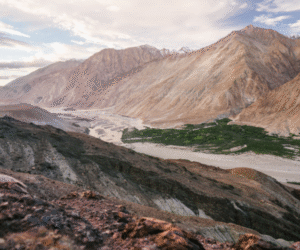
- Zanskar Valley — accessible in monsoon only via the road through Padum. Difficult to reach, virtually untouristed, and visually serious.
- Tso Moriri Lake — Often quieter than Pangong, this high-altitude lake sits at around 4,522 metres and is surrounded by snow-covered peaks. It is also part of a protected wetland that attracts migratory birds, including the black-necked crane.
- Shanti Stupa — Overlooking Leh, this white-domed Buddhist monument offers panoramic sunrise and sunset views of the town and the surrounding Himalayan ranges.
- Leh Palace — Built in the 17th century, this historic royal palace provides insight into Ladakh’s heritage while offering sweeping views over Leh from its upper levels.
- Thiksey Monastery — Known for its striking resemblance to Tibet’s Potala Palace, Thiksey is home to a magnificent 15-metre-tall Maitreya Buddha statue and remains one of Ladakh’s most photographed monasteries.
- Diskit Monastery — The oldest monastery in Nubra Valley, Diskit is famous for its towering 32-metre statue of Maitreya Buddha overlooking the valley.
Permits You Need for Ladakh in 2026
- Inner Line Permit (ILP): Required for Indian citizens and foreign nationals to visit restricted areas including Pangong Lake, Nubra Valley, and Zanskar. Available online through the Ladakh Tourism portal or at the DC office in Leh. Cost: ₹100–400 depending on area.
- Protected Area Permit (PAP): Foreign nationals need this for certain border areas. Apply through a registered tour operator.
- Permits are per-person, per-destination, and have a validity window. Don’t leave Leh without them.
Getting to Leh in 2026
Several airlines, including IndiGo, Air India, and SpiceJet, operate direct Delhi–Leh flights. During the peak travel season from June to September, fares are often lower than those in October. However, because Leh Airport has operational constraints that limit the number of daily flights, seat availability is restricted. Therefore, it is advisable to book your tickets at least three weeks in advance.
Once you arrive, acclimatisation is absolutely non-negotiable. Ideally, spend the first 24 to 48 hours in Leh with minimal physical activity before travelling to higher-altitude destinations. Initially, experiencing a mild headache or slight breathlessness on the first day is common. However, symptoms such as confusion, persistent vomiting, or severe difficulty breathing may indicate acute altitude sickness. In that case, descend to a lower altitude immediately and seek medical attention.
Travel Budget
- Budget (guesthouse, local thali meals, shared jeeps): ₹2,500–4,000/day
- Mid-range (hotel, jeep hire, restaurant meals): ₹5,000–9,000/day
- Luxury camps near Pangong: ₹12,000–25,000/night
For the broader monsoon picture, read our Monsoon Travel India 2026 guide.