
Delhi’s New Nightlife Might Not Involve Alcohol at All
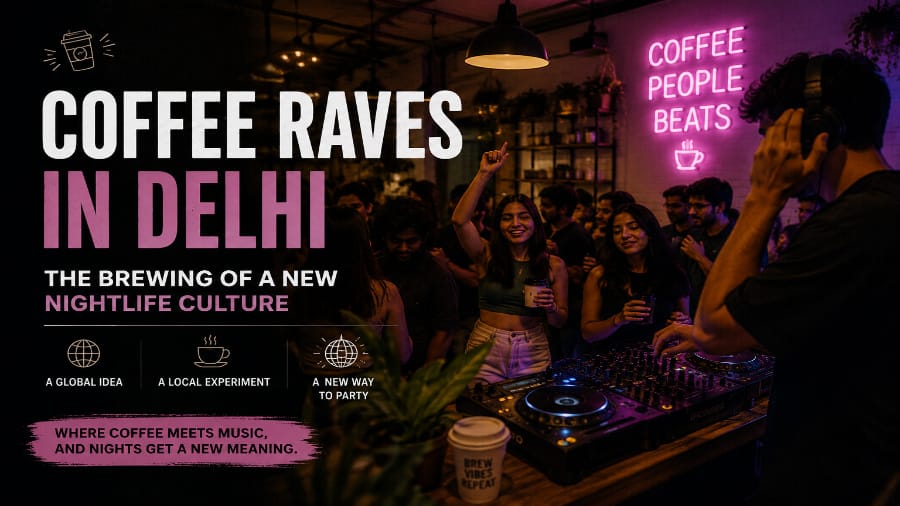
For years, nightlife has followed a familiar script: loud music, dim lighting, and alcohol at the centre of it all. But coffee raves in Delhi are beginning to challenge that formula in unexpected ways.
Instead of late nights and bar tabs, a quieter shift is taking place. Cafés now double as high-energy social spaces, DJs replace curated playlists, and coffee takes over a role once dominated by cocktails. It’s not just a novelty. It’s a reflection of how social habits are changing.
Enter The Coffee Rave
The idea behind a coffee rave is simple: take the energy of a nightclub and move it into a café. Add a DJ, serve coffee in fast-paced formats like shots, and create a space where people can gather, move, and interact, all without alcohol.
The idea isn’t entirely homegrown. Across parts of Europe, especially in London and cities across Spain, coffee raves (daytime, caffeine fuelled gatherings with DJs) are steadily gaining traction. But their arrival in Delhi signals something more than just trend adoption; it reflects a shift in how younger audiences want to socialise. These events blur the line between daytime café culture and nightlife, offering something that feels both familiar and entirely new. Now, coffee raves in Delhi are beginning to follow a similar path.
How Coffee Raves Came to Delhi
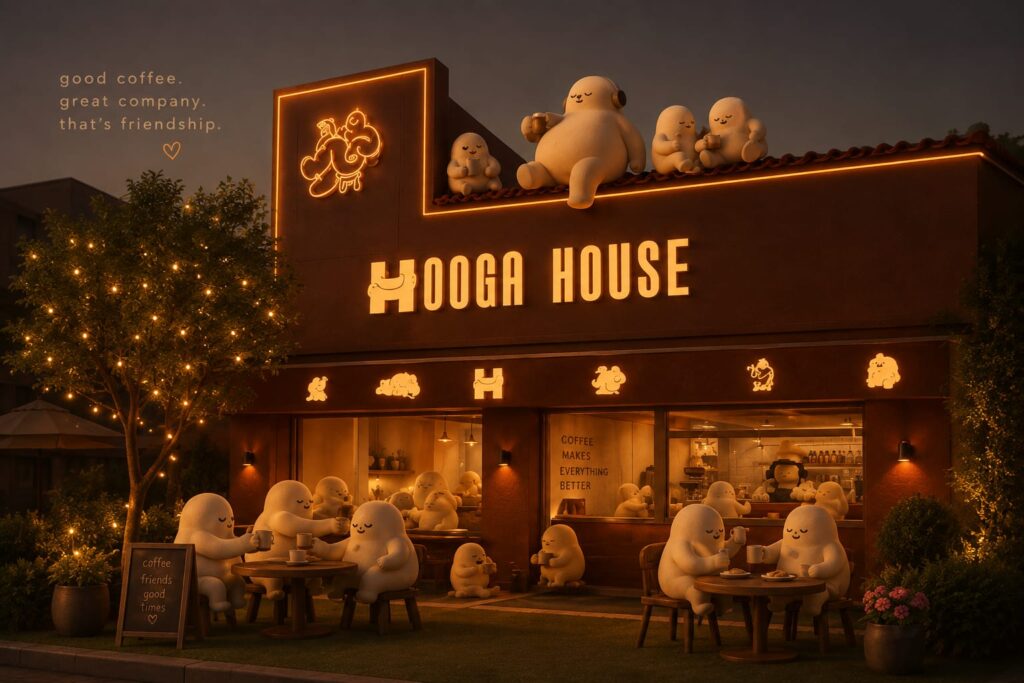
One café exploring this format is Hooga House, founded by Chetan and Mudit — a business and culinary duo who first encountered coffee raves during a trip to Europe, attending events in London and parts of Spain.
What they saw there felt transferable but not without adjustments.
When they brought the concept back, they didn’t launch it as a large public event. Instead, they started small, inviting a close group of regulars. Around 47 people attended the first gathering. The second saw that number rise to over 60. The growth was organic, but so were the challenges.
The Challenge of Managing Guests
Unlike traditional events with ticketing systems, these gatherings rely heavily on social media. A post goes up, people respond, and invitations are sent out.
But in practice, interest often turns into assumption. People who message to attend sometimes show up without confirmation, making it difficult to manage numbers. In a space that can hold roughly 70 to 75 people, even a small overflow changes the experience.
This unpredictability has become one of the defining challenges of hosting coffee raves in Delhi, especially in smaller cafés.
Why Coffee Raves Aren’t Just About Profit
One of the more surprising aspects of coffee raves is their economics. Hosting one often means shutting down regular café operations for the duration of the event. No walk-ins, no delivery orders—just the invited crowd.
While food is still paid for, certain elements like signature coffee shots are often served without additional cost. This makes the event less about immediate profit and more about creating a distinct identity.
It’s a trade-off that doesn’t follow conventional business logic, but it aligns with something else: building community and brand identity.
Coffee, But Not As You Know It
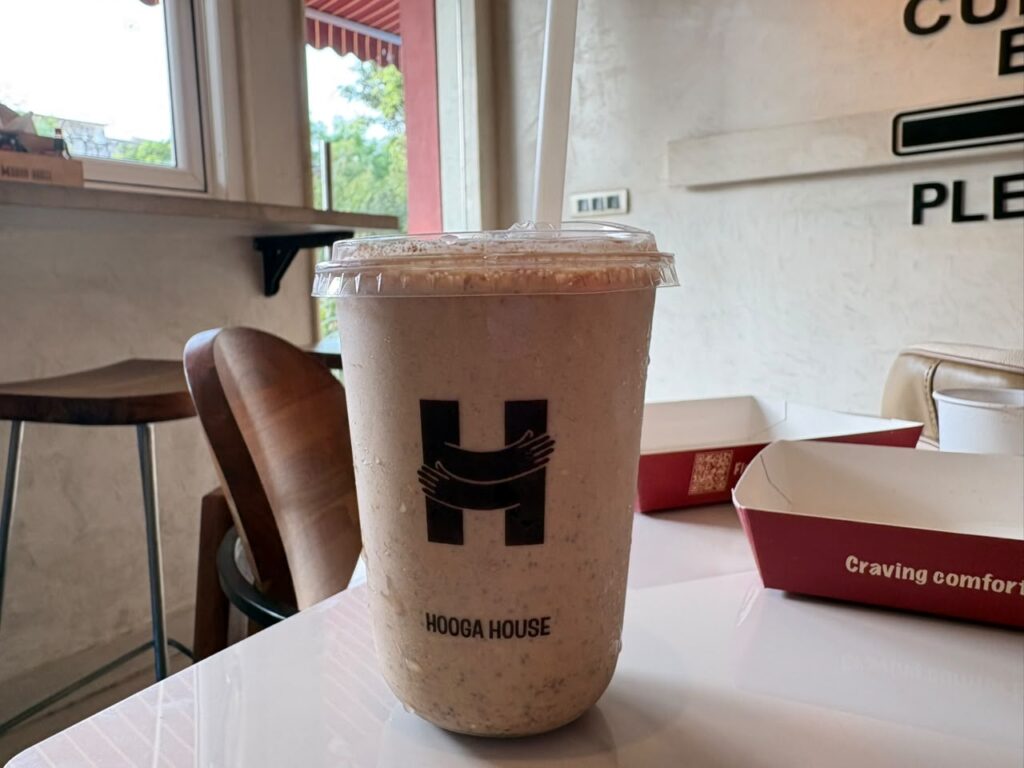
At the centre of the experience is coffee, but not in its usual, slow sipping form. Instead, it becomes interactive. Drinks are served quickly, often as concentrated shots designed to be consumed in the moment. Some are even styled after alcoholic beverages in name, while remaining completely non-alcoholic.
This shift changes how people engage with coffee. It stops being just a drink and becomes part of the social rhythm of the event. Combined with music and movement, it creates an atmosphere that feels closer to a party than a café.
In Delhi, younger audiences particularly those between 22 and 30, are driving the rise of coffee raves. There is a noticeable move away from alcohol-heavy environments. Health, routine, and even simple burnout from traditional nightlife are pushing people to look for alternatives.
Coffee raves offer a middle ground. They deliver energy, music, and connection, but in a format that feels lighter and more accessible. There’s also a functional aspect to it. Coffee, with its quick dopamine hit and social familiarity, becomes a natural substitute. It also helps that cafés feel more approachable. You don’t need to “plan a night out” — you just show up.
Small Space, Big Idea
For now, the biggest limitation is space.
Cafés don’t function like clubs. They have structural constraints: seating layouts, kitchen areas, divided sections, all of which limit how many people can attend. At places like Hooga House, the capacity caps at around 70 to 75 guests. That naturally keeps the events small.
But the idea itself isn’t bound by the same limitations.
Because the format is simple music, coffee, and a social setting, it can be replicated. As more cafés experiment with it, the concept has room to grow beyond a handful of locations.
Are Coffee Raves in Delhi a Passing Trend or Something Bigger?
It’s easy to dismiss coffee raves as a social media trend as something that feels new now but may not last.
But the forces driving their popularity suggest otherwise. People are rethinking how they want to spend their time. They are looking for experiences that combine energy with comfort, and social interaction with intention.
In that context, coffee raves in Delhi are not just about coffee or music. They are about redefining what nightlife can look like. If nightlife has always been about energy and connection, then coffee raves simply swap the medium, not the message. And in a city like Delhi, that swap might just stick.
Follow The World Times for more such updates.

Incredible article! You captured the vibe and energy of the night coffee rave so vividly also got to know about Such a fresh concept—pairing late-night energy with a great brew!
Thank you so much! I’m so glad you connected with the vibe—coffee raves are such a fresh concept and I loved writing about it.
It’s fascinating to see how coffee culture is creating a whole new nightlife experience.
Such an interesting perspective!
Thank you so much! It really is fascinating how coffee culture is evolving beyond just cafes into something more experimental.