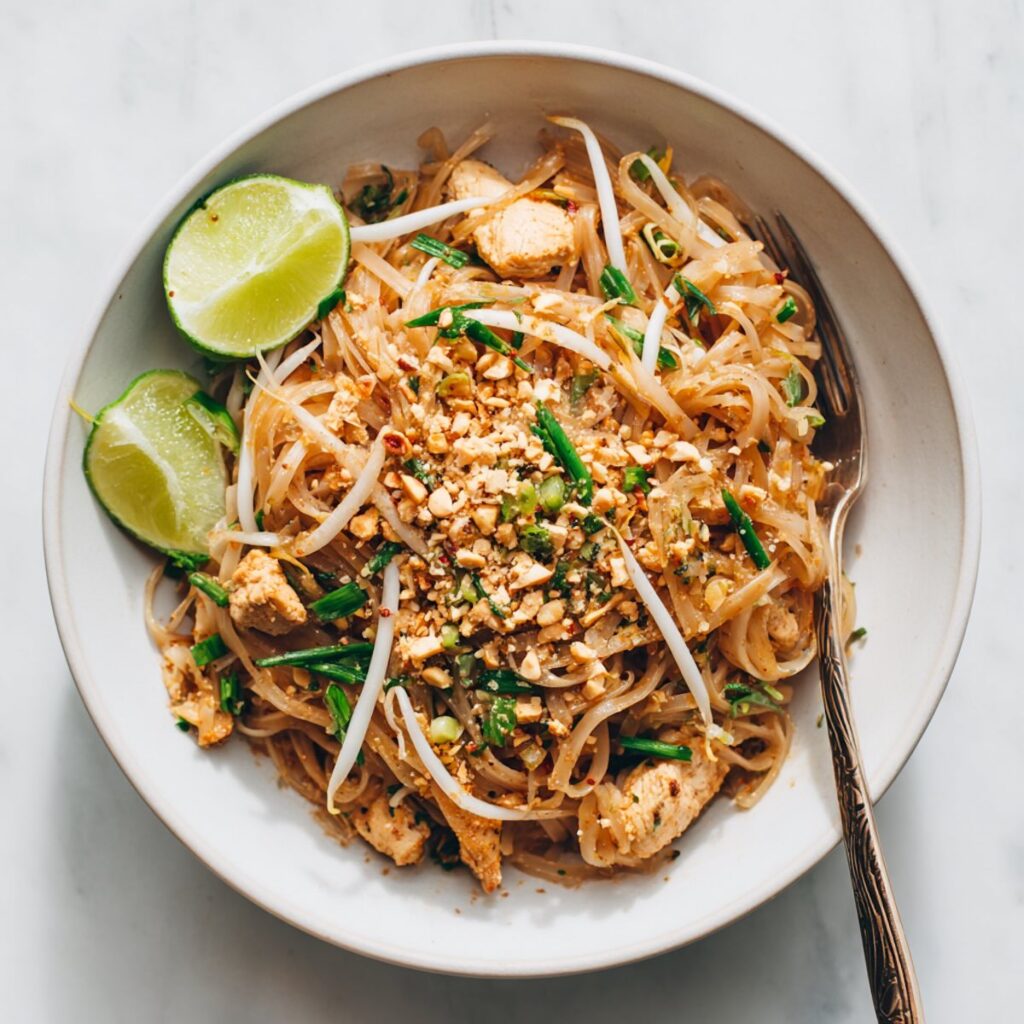
Pad Thai, the noodle dish that has taken Instagram by a storm, unlike the name suggests, finds its origins in Chinese cuisine. China and Thailand share not only a proximity with regards to their physical and spatial presence in the globe, but also a cultural milieu. Immigrants have been moving across China and Thailand since before the 12th century in search of better livelihoods and opportunities.
In the late 18th Century, Thailand saw an influx of Chinese immigrants as the latter sought an escape from a harsh and inhospitable environment wrecked with wars, famines, poverty and natural disasters. These Sino-Thai immigrants brought with themselves their culture, language, traditions, festivals, and food. But the origin of Pad Thai is not merely cultural fusion. No, the dish may be simple, but its ingredients carry with themselves a rich and complicated history; its flavours echo the social and political burdens of the nation.
What exactly is Pad Thai?
Literally, Thai Stir-Fry, Pad Thai is a stir-fried rice noodle dish that has become Thailand’s most famous culinary export. It’s a simple street food staple consisting of dried rice noodles, shrimp (or chicken/tofu), eggs, bean sprouts, crushed peanuts, garlic, and chives. The soul of the dish lies in its sauce, which comprises a balance of fish sauce, tamarind pulp, palm sugar, and chili, creating a signature flavor profile of sour, salty, savory, and sweet. Before its popularity, natives of Thailand only consumed plain white rice with other flavour-rich accompaniments.
It was only during the Second World War that the government popularised rice as noodles. Why? Because Thailand was undergoing an intense shortage of rice crop. Realising that rice noodles require significantly less amounts of rice than whole rice, the government launched various campaigns to promote the consumption and trade of rice noodles. Originally called kuay teaw pad, cooks simply prepared this dish with rice noodles and flavoured oils.
In order to counter the inevitable famine, then Prime Minister Phibun introduced a nationwide campaign promoting rice noodles as the national dish of Thailand. The government provided various incentives to citizens willing to participate in the campaign and glorify rice noodles. The government gave vendors who sought to set up small shops and carts for serving noodle-based dishes spaces free of cost to start their businesses. This is how Pad Thai originated as a dish birthed out of the political and social context of a nation. However, the modern-day Pad Thai is slightly different from the simple noodle dish of the Second World War.
Pad Thai History: War and Globalisation

The era of Globalisation following the Second World War brought with itself porous borders. As people moved across nations, they carried their identities and culture with them. During the Vietnam War, the United States established military bases across Thailand, particularly in Bangkok, Udon Thani, and Pattaya.
American palates at the time were not accustomed to the native Thai flavours. To cater to newer taste palettes, restaurant owners and street vendors adapted their food. To neutralise the spice, they added sour and sweet flavours with lime, lemongrass, seafood and herbs. Thailand, which has now become a popular tourist spot, boasts this Pad Thai as one of its most popular street foods, which carries its notes to the world.
Change in the Street Food Legacy
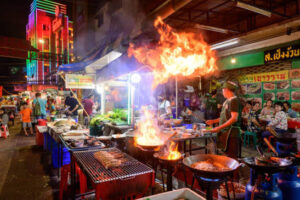
In 2022, the Bangkok Metropolitan Administration (BMA) made policies to remove street food vendors to clear footpaths and improve decorum. For Pad Thai vendors, this is a significant shift due to Pad Thai’s global presence being closely tied to its status as a popular street food. Pad Thai’s international reputation grew partly through its street food associations.
Whether the dish can maintain its global standing without the street context remains to be observed. The government once promoted the dish during World War II to address rice shortages and build national identity; the same authorities now regulate it. This can be interpreted either as a natural evolution of urban governance or as a departure from the dish’s foundational character.
Sources:
https://asianinspirations.com.au/food-knowledge/the-history-of-pad-thai/
https://www.smithsonianmag.com/travel/the-surprising-history-of-pad-thai-180984625/
https://edition.cnn.com/travel/article/bangkok-street-food-ban
Follow theworldtimes.in for more such updates.