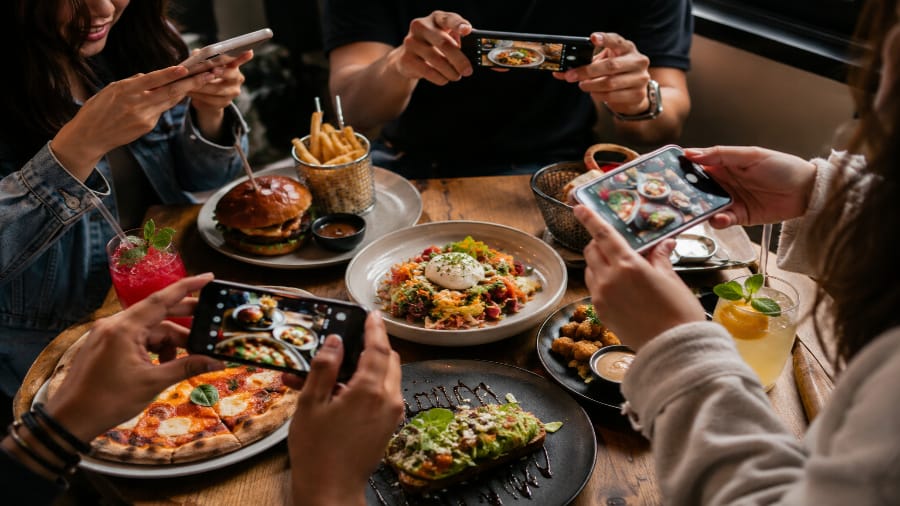
Food has always been more than just fuel. In fact, it connects people, cultures, and memories in ways that go beyond the plate. However, in today’s digital world, something has clearly shifted. Meals are no longer just eaten; instead, they are photographed, recorded, and shared across platforms. As a result, a simple dish often becomes social media content before it becomes a personal experience. This change naturally leads to an important question: are we eating for taste, or are we eating for content? While both can exist together, the balance is slowly tilting, and therefore, it becomes important to understand how this shift is shaping our relationship with food.
The Rise of Eating for Content
Over the past few years, social media has completely transformed food culture. Platforms that prioritize visuals have made appearance the first point of judgment. Consequently, food is often evaluated by how it looks before anyone even considers how it tastes. Because of this, restaurants and cafés have started designing dishes that are visually striking and highly shareable. Interiors are styled for photographs, and menus are curated with viral appeal in mind.
Therefore, a new behavior has emerged where people consciously choose food that will perform well online. In other words, eating for content has become a common habit, especially among younger audiences who see food as an extension of their digital identity.
Why Are We Eating for Content?
One major reason behind eating for content is the need for social validation. When people post visually appealing meals, they receive immediate engagement in the form of likes and comments. As a result, this creates a sense of approval that encourages repetition. In addition to that, the idea of an aesthetic lifestyle has become deeply popular. Food now plays a key role in how individuals present themselves online, which means every meal becomes a potential opportunity to enhance one’s personal brand.
Moreover, the fear of missing out further fuels this behavior. Whenever a dish goes viral, people feel compelled to try it, not necessarily because they expect it to taste good, but because they want to be part of the trend. At the same time, influencer culture continues to shape preferences. Since influencers often highlight visually appealing food, audiences begin to associate beauty with value, even when taste is not the primary focus.
When Taste Takes a Backseat

Although many viral dishes look impressive, they do not always deliver in terms of taste. In fact, several of these creations are designed mainly for visual impact rather than flavor balance.
For instance, overloaded milkshakes may look exciting but are often difficult to consume. Similarly, excessively cheesy dishes can feel overwhelming after just a few bites. Brightly colored desserts may attract attention, yet they often rely on artificial flavors that do not satisfy the palate. In some cases, luxury elements like gold plating add to the cost without improving taste. Consequently, the experience becomes more about capturing the moment than enjoying it. Therefore, it becomes evident that eating for content often places appearance above genuine flavor.
The Psychology Behind Eating for Content
Interestingly, this shift is not just cultural but also psychological. When people document their meals, their focus changes from experiencing to presenting. Instead of being fully present, they begin to think about lighting, angles, and composition. As a result, the act of eating becomes secondary. This subtle shift creates a disconnect where individuals remember the post more vividly than the taste of the food itself.
Furthermore, the habit of constant documentation reduces mindfulness. While mindful eating allows individuals to engage with textures, aromas, and flavors, the act of creating content interrupts that connection. Therefore, even though people are technically eating, they are not fully experiencing their meals.
Is Eating for Content Always Bad?
At the same time, it would be unfair to label eating for content as entirely negative. In fact, it has brought several positive changes to the food industry. For example, chefs now experiment more with presentation, which has made dining visually exciting. In addition, restaurants benefit from increased visibility when their dishes are shared online. This exposure often translates into business growth and wider recognition. Moreover, social media has helped build communities where people connect over shared food interests and experiences.
However, the concern arises when content becomes the primary purpose of eating. When that happens, taste and authenticity often lose importance, which can affect how people perceive food in the long run.
The Return to Authentic Taste
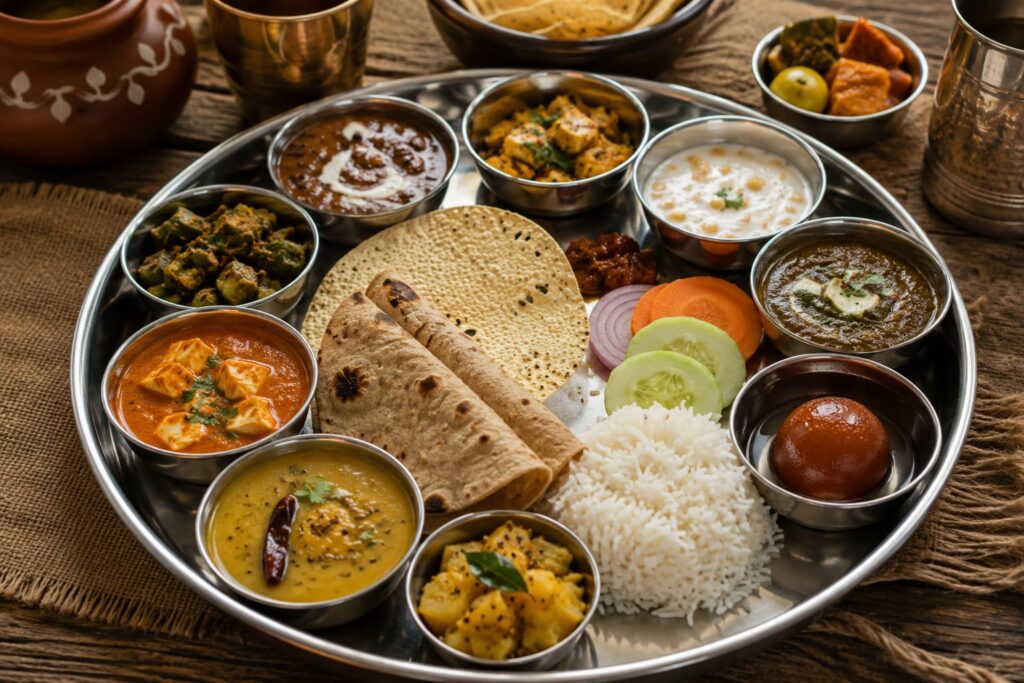
On the other hand, a noticeable counter-trend is beginning to take shape. Many people are slowly returning to food that prioritizes taste over appearance. Home-cooked meals, traditional recipes, and street food are gaining renewed appreciation.
Although these options may not always look perfect on camera, they offer something far more meaningful. They provide comfort, authenticity, and satisfaction that goes beyond visual appeal. As a result, this shift highlights the enduring importance of flavor and experience. Therefore, even in a content-driven world, taste continues to hold its value.
Finding the Right Balance
Rather than choosing between taste and content, it is more practical to find a balance between the two. People can still capture moments without letting the act of documentation dominate the experience. Taking a quick photo and then putting the phone aside can make a significant difference. Similarly, choosing food based on flavor rather than just appearance can help maintain authenticity. Supporting restaurants that focus on quality also encourages better food practices.
Ultimately, being mindful of one’s intentions can transform the way meals are experienced. By making small changes, it becomes possible to enjoy both the visual and sensory aspects of food.
The Future of Eating for Content
Looking ahead, food culture will continue to evolve alongside social media. However, people are becoming more aware of their habits and preferences. As a result, the future may not be about choosing between taste and content but about combining the two effectively. Dishes that are both visually appealing and flavorful are likely to define the next phase of dining. In addition, content that tells a meaningful story may replace purely aesthetic posts. Therefore, the focus may gradually shift toward authenticity, even within digital spaces.
A Balanced Approach: The 3-3-3 Rule of Eating

In a world where eating is often driven by trends and content, the 3-3-3 rule of eating offers a more structured and mindful approach. Instead of focusing on restriction, it emphasizes consistency and balance. To begin with, the rule encourages eating three balanced meals each day, where every meal includes protein for satiety, healthy fats for sustained energy, and fiber from vegetables or complex carbohydrates for digestion. As a result, this combination helps maintain stable energy levels and reduces unnecessary cravings.
In addition, the rule suggests spacing meals about three hours apart. This gap allows the digestive system to function properly while also preventing constant snacking, which is often triggered by boredom or social media influence rather than actual hunger. Therefore, it creates a rhythm that supports both physical health and mindful eating habits.
Finally, the rule highlights the importance of hydration by recommending roughly three liters of water daily. Staying hydrated not only supports metabolism but also helps the body distinguish between hunger and thirst. Consequently, it prevents overeating and promotes better overall well-being.
Overall, the 3-3-3 rule moves away from strict calorie counting and instead focuses on building sustainable habits. In the context of eating for content, it serves as a reminder that food should first nourish the body before it becomes something to post online.
Click here to learn more about the 3-3-3 Method!
Taste or Content?
In conclusion, the question of whether we are eating for taste or for content does not have a simple answer. While social media has undoubtedly influenced food choices, it has also created new ways to experience and share meals. However, it is essential to remember that food is, at its core, about nourishment, culture, and enjoyment. The next time you sit down to eat, it may be worth pausing for a moment to reflect. Are you choosing this meal for its taste, or for how it will appear online? Because in many cases, the most meaningful food experiences are the ones that are fully lived, not just posted.
Follow The World Times for more such updates.