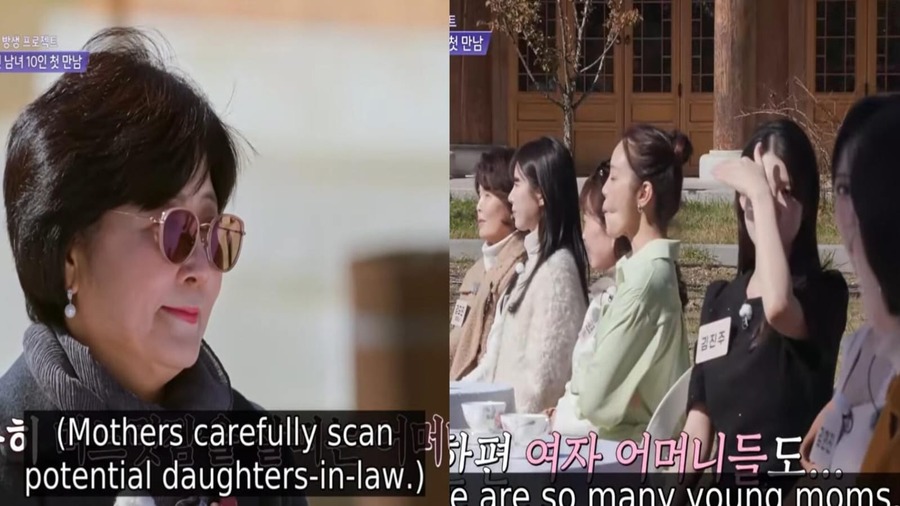
Match To Marry: With Parents is back with a brand-new season this July. Unlike major reality dating shows that project a perfect idea of romance and market it globally, this family matchmaking show flips the narrative completely. The formula used by the makers is traditionally South Korean, capturing the essence unique to Asia. A group of singles searching for a life partner date as their mothers observe every interaction, evaluate potential partners and in-laws for their children, before making the final decision.
Click here to watch the trailer. A total of three episodes have aired for the second season, as of July 10, 2026. The show premiered on June 25, 2026, releasing episodes weekly on Thursdays.
Amid the Demographic Crisis
South Korea is experiencing one of the world’s lowest birth rates and a steady decline in marriage. For many young Koreans, marriage has become an overbearing necessity. The 2015 4B movement proved to be a significant moment in social activism, where feminists advocated for gender equality by denouncing marriage and birthing children. Aside from that, skyrocketing housing prices and the exhaustive work culture have replaced the traditional expectations surrounding marriage with a demand for enhanced productivity.
Against this backdrop, a reality show about finding a spouse becomes more than entertainment. It becomes a reflection of a national conversation. Thus, contestants of Match To Marry don’t just discuss hobbies or first impressions. They naturally discuss careers, finances, family responsibilities, children, and long-term goals. In other words, the qualities that make someone “marriage material” to survive the South Korean economy and society.
When the Show Introduces the Mothers As the Matchmakers
Reality television has frequently relied on the stereotype of the “overbearing Asian parent” for dramatic effect. However, Match to Marry takes a nuanced take beyond this perception. Many parents express genuine concern for their children’s future. They offer advice from years of personal experience rather than just establishing control. However, with the progression of each episode an important question continues to be raised. Where does parental guidance end, and where does interference begin?
Does the Show Encourage the “Mama’s Boy” Trope?
One of the aspects that is glorified, turning it into real discomfort, is how parental approval becomes the ultimate source of validation for the men.
Throughout the series, mothers are shown selecting outfits for their sons. They even keep advising them on which women they should pursue. It is they who decide where their sons should stay or whom they should spend time with. This is not occasional guidance, but over-reliance by the men on their mothers for successfully running their lives successfully.
The Toxic Social Experiments in the Show
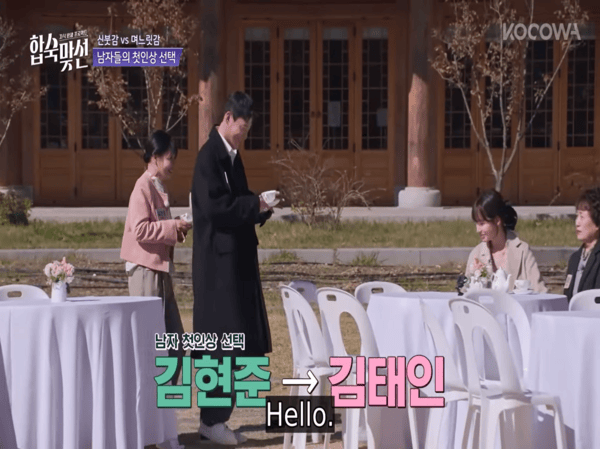
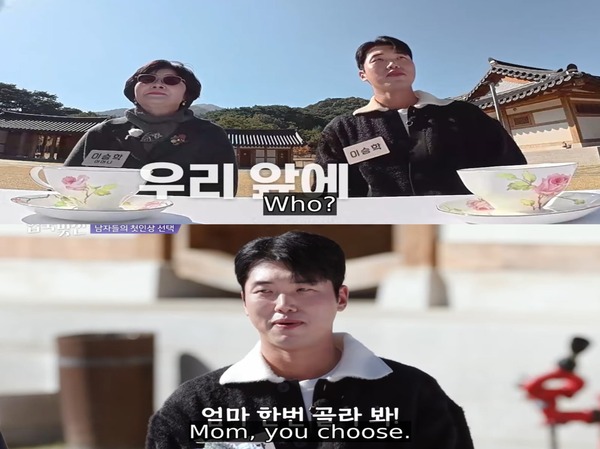
During meals, prospective brides are often expected to be reviewed under the mother’s condescending gaze. Sometimes, they have to serve the mothers before establishing meaningful connections with their sons. Male contestants literally move their teacups towards the woman chosen after consulting their mothers.
In another segment, contestants select rooms, yet one man goes out of his way to check which room possesses the perfect bathroom for his prospective mother-in-law. Thus, the competition shifts from impressing a potential partner to impressing their parents first.
The Confidence Gap in Relationships
Several of the male contestants struggle to approach women naturally. Their conversations feel hesitant and awkward, because they are heavily influenced by their mothers’ opinions. Needless to mention they are hardly the charmers. Instead of relying on their own judgment, they frequently seek reassurance from the women they choose to pursue. On the other hand, female participants appear confident and willing to initiate conversations.
Care or Possession?
In one episode, a mother discourages a contestant who has developed mutual feelings for her son. She is repeatedly reminding the young woman that her son owns a business which makes him constantly busy for being able to devote her sufficient attention. These remarks may appear practical on the surface. She even goes further to mention to the younger woman that, as a mother to a daughter herself, she would never let her date someone like her son. This reveals an unhealthy possessive streak in her because now she wants to become the gatekeeper of her son’s life.
Performance In Front of the Cameras
However it is important to understand that the show’s portrayal of an accurate Korean family is not too reliable. Like many reality dating shows, Match to Marry exaggerates tensions to create drama and encourage active audience engagement. Both parents and contestants are aware that they are performing in front of cameras. Be it the devoted mother, the dutiful son, the ideal daughter-in-law, or the confident modern woman. The result is heightened by the demands of reality television. Unlike dating shows such as Single’s Inferno, where participants largely form relationships independently, Match to Marry deliberately places family at the center of romantic decision-making.
Follow The World Times for more such updates.