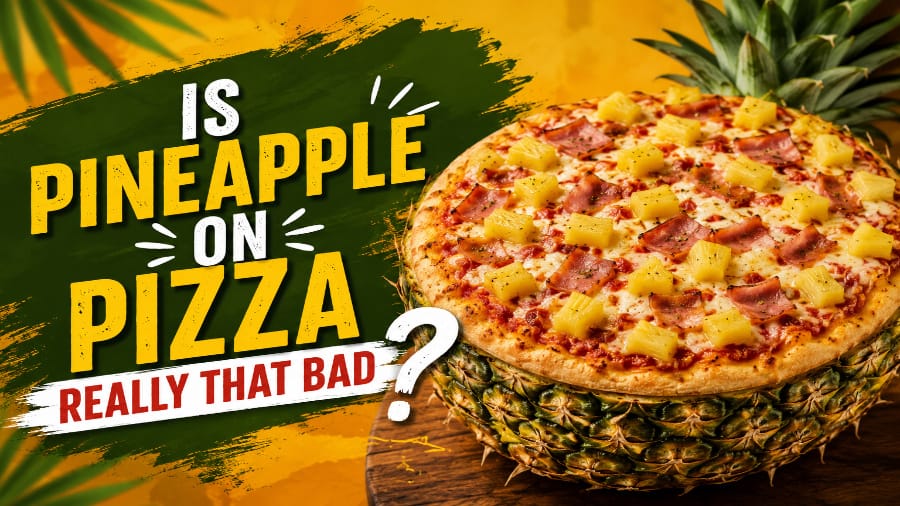
Is pineapple on pizza really that bad? This question has sparked endless arguments across dining tables and social media. Some people strongly support it, while others reject it without hesitation. However, this debate is not just about taste. It also reflects how people respond to change, tradition, and new food combinations.
Interestingly, the controversy says more about us than the pizza itself. Food is deeply personal, and even small changes can trigger strong reactions. Pineapple on pizza simply became the center of this global discussion.
Where Did This Idea Come From?
Many assume pineapple on pizza has roots in Italy, but that is not true. The concept was introduced in Canada in the 1960s. It was meant to experiment with flavors rather than replace tradition. Despite this, people often judge it based on what pizza “should” be.
This clash between tradition and innovation is one reason the debate continues. Some people prefer to keep food authentic, while others enjoy exploring new tastes. Neither side is wrong. They simply approach food differently.
Why Pineapple on Pizza Feels Strange to Some
One of the biggest reasons people dislike this topping is expectation. Pizza is usually associated with salty and savory flavors. When sweetness enters the picture, it can feel unusual. This creates a mental mismatch that affects how the food is perceived.
Texture also plays a role. Pineapple is naturally juicy. When placed on a hot pizza, it releases moisture. Some people enjoy this softness, but others feel it changes the structure too much. At the same time, social media influence cannot be ignored. Many people decide they dislike it before even trying it. Opinions spread quickly, and food trends often follow what others say rather than personal experience.
Why Others Enjoy Pineapple on Pizza
On the other side of the debate are those who truly enjoy this combination. They appreciate how sweetness balances saltiness. The contrast creates a layered taste that feels exciting rather than strange.
In fact, mixing sweet and savory elements is not new. Many cuisines around the world use this idea. Indian chutneys, for example, combine sweetness with spices. Similarly, Asian dishes often include sweet sauces with savory bases. This pairing works because it adds complexity to the flavor. So, rather than being “wrong,” this topping simply follows a different approach to taste.
The Science Behind the Flavor
From a scientific point of view, the pairing is not random. Pineapple contains bromelain, an enzyme that helps break down protein. This means it naturally complements ingredients like cheese or meat. Its slight acidity also plays an important role. It cuts through the heaviness of cheese, making each bite feel lighter. This balance can actually enhance the overall eating experience.
Although it may seem unusual at first, there is a logical explanation behind why some people enjoy it.
Looking Beyond the Pineapple on Pizza
While the debate continues, one important thing is often overlooked—the fruit itself. Pineapple is far more than just a topping. It is packed with nutrients and offers several health benefits. Also, it’s rich in vitamin C, which supports immunity and helps the body fight infections. It also contains antioxidants that protect cells from damage. These benefits make it a valuable addition to a balanced diet.
Another advantage is its role in digestion. The enzymes present in pineapple help break down food more efficiently. This can reduce discomfort after meals and support gut health.
In addition, pineapple has a high water content. This makes it refreshing, especially in warm climates. It not only satisfies sweet cravings but also helps keep the body hydrated.
A Fruit With a Fascinating Story

Pineapple is not just nutritious; it is also unique. Unlike many fruits, it is actually made up of multiple berries fused together. This gives it its distinct structure and texture.
Another interesting fact is how long it takes to grow. A single pineapple can take nearly two years to fully develop. This slow process shows the effort required to produce it.
Historically, pineapple was once considered a luxury. In earlier times, it was rare and expensive. Only wealthy families could afford it, and it often symbolized status and hospitality. Today, it is widely available, but its uniqueness remains unchanged.
There is even a day that celebrates this fruit globally. Every year, 27 June is observed as World Pineapple Day. It is a reminder to appreciate its taste, health benefits, and cultural significance. This celebration highlights how important pineapple has become in different cuisines. From juices to desserts and even savory dishes, its versatility is undeniable.
Click here to try the upside down pineapple cake recipe!
Changing Food Trends and Open Minds
Food culture is constantly evolving. What once seemed unusual can quickly become popular. Many modern dishes are the result of experimentation. Fusion food, in particular, has gained massive popularity in recent years. People today are more willing to try new combinations. This shift shows that taste is not fixed. It changes with exposure and experience.
The pineapple debate fits perfectly into this pattern. It represents how food is no longer limited by tradition alone.
So, is pineapple on pizza really that bad? The answer depends entirely on personal preference. Some people will always enjoy it, while others may never like it. However, the real takeaway is not about choosing sides. It is about being open to trying something new. We should explore food rather than restrict it with fixed rules. Even if this combination is not your favorite, pineapple itself deserves appreciation. It is nutritious, refreshing, and incredibly versatile. In the end, the debate may never truly end. But perhaps that is what makes it interesting. It keeps people talking, tasting, and questioning their own preferences.
Follow The World Times for more such updates!