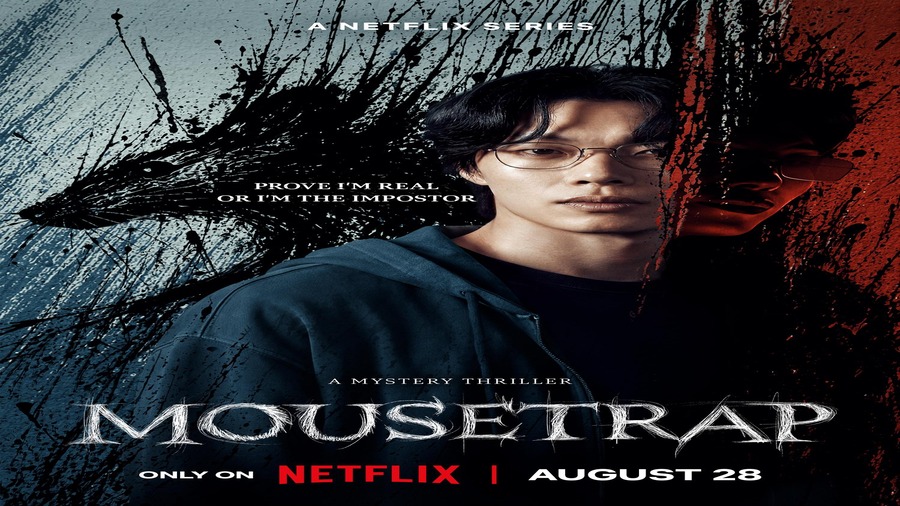
Directed by Kim Hong-sun and starring Ryu Jun-yeol and Sul Kyung-gu, Mousetrap is Netflix’s much-anticipated release this year, premiering on August 28. The series takes its inspiration from the popular webtoon Ludovico’s Field Mouse. This psychological thriller explores the dark aspects of digital media obsession. The plot will follow a writer’s quest to reclaim his stolen identity from a mysterious man called “the Rat”.
Click here to watch the trailer.
Inspiration Behind Creation: The Korean Folktale “The Mouse That Ate Fingernails“
Korean folktales have long served as a window into the country’s values, beliefs, and everyday experiences. They are passed down from one generation to another, incorporating nature, family life and history. For centuries, they remained instrumental in preserving the country’s rich storytelling tradition before K-dramas introduced audiences to grim reapers, goblins, vampires, and beautiful doomed spirits.
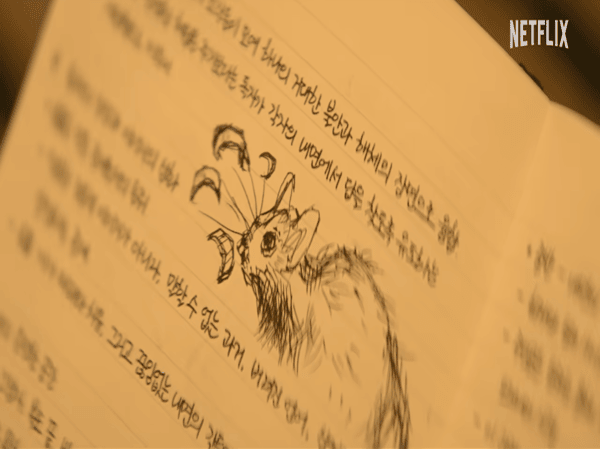
They do not serve as mere fantasy. These tales reflect Korea’s deep-rooted beliefs in shamanism, Buddhism, and Confucianism. Additionally, they give supernatural elements a symbolic role that continues to inspire K-dramas and films today. One such key tale revolves around a man whose discarded fingernails were fed upon by a mouse. Shockingly, the animal soon becomes his doppelgänger! Ludovico was inspired by this folktale named “The Rat That Ate Fingernails”. He serialized his webtoon Field Mouse from 2017 to 2020.
The story was originally narrated as a cautionary fable against cutting fingernails at night. However, it carries further symbolic undertones. Once the rat steals his appearance, memories, and mannerisms, the family believes the animal impostor over the man. The real individual loses not only his home but also his social identity. This clearly suggests that identity depends on recognition by others. If society refuses to acknowledge who we are, our own certainty becomes powerless.
Netflix’s Mousetrap And The Fear Of Becoming Replaceable
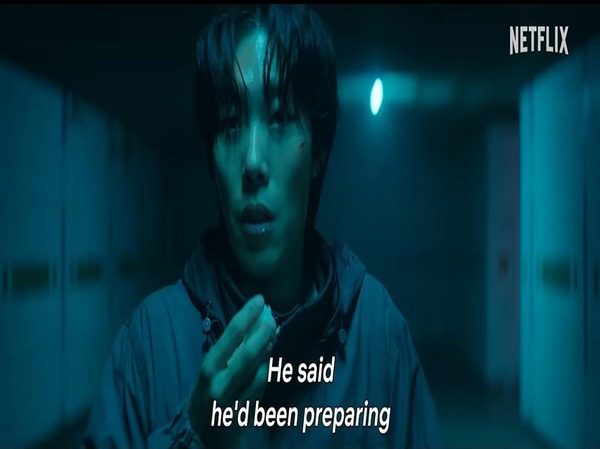
Stripping the familiar folktale bare from its fantasy, the series will aim to focus on a relevant fear within the context of 21st century — identity crisis in this digital age. The trailer presents this psychological unease carefully and meticulously.
A writer, Je Mun Jae who has been living alone for a considerable span of time suddenly loses access to his records when his fingerprints no longer match. Not only does he realize now that he has no way left to prove his identity to the world, but also discovers that someone with the pseudonym “the Rat” has stolen it besides his fortune. Mun Jae forcefully teams up with a diabolical loan shark No Ja, who is running a private investigation agency. However, No Ja will do anything for money. He agrees to help Mun Jae only because the latter owes him three years worth of money.
In both stories, the real battle is not against a physical monster. It is against the terrifying possibility that identity can be stolen and performed, and even ultimately be denied by the very people whose approval gives it meaning. Today, people leave behind traces of themselves not through hair or nails but through photographs, social media, personal data, and online activity. These digital footprints create images harder to identify and differentiate from.
Netflix’s Mousetrap And The Digital Age’s Greatest Horror
Libraries and physical archives are history now. Humans are increasingly prioritizing a digital mode of communication and interaction. In the busy age of productivity, people generally value speed over using their mind to feel things deeply. This reflects in the way they choose to remain connected with their loved ones.
Feelings and bonding are replaced by emojis and the type of engagement with posts on social media. This keeps happening even at the expense of elimination of authenticity. Slowly, this created social identity takes over the personal identity. People start believing the online version because that is easier to accommodate in their lives without human nuances and conflicts.
The character of Mun Jae spends years in isolation to cope with the loss of success. He is mourning his life as a bestselling author, and at the same time burdened with loans. He was not in contact with any of his fans or close family. So, those encountering the “Rat” easily identify the fake to be real. This highlights the importance of community building even when people are at their lowest. Not connecting with people beyond the online metaverse leads to terrible consequences.
The Cost Of Trusting Technology: Who Owns Your Identity?
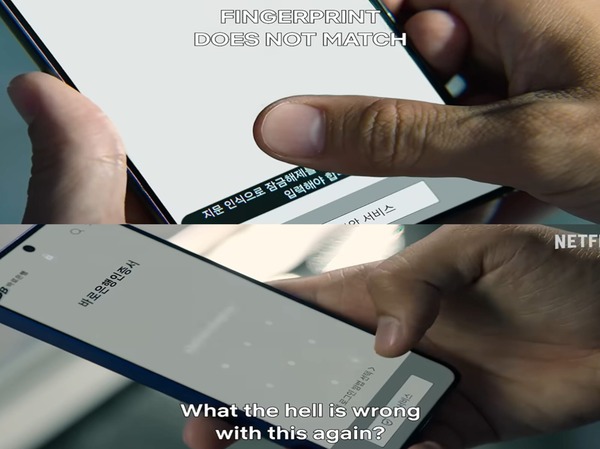
Society is growing more dependent on technology to verify who people are. Photos, biometric data, bank records, passwords, search histories, and social media profiles often carry more authority than personal testimony itself.
Mousetrap taps into this modern anxiety. It suggests that once someone gains control over data, human identities can become just as vulnerable as the protagonist’s in the old folktale. This can primarily hint at the rise of artificial intelligence (AI) absorbing information about human lifestyles and relationships, from data shared across the globe by not only users but also governments.
Thus, while technology has made life more convenient, it has also made the self easier to copy, manipulate, and, in the worst cases, erase.
Kim Hong-sun’s Signature Brand of Suspense
Kim Hong-sun has built a reputation for thrillers. From the relentless serial killings in Voice (2017) to the psychological tension of The Guest (2018) and the moral ambiguity of Money Heist: Korea – Joint Economic Area (2022), his stories repeatedly explore fear and human vulnerability in this fast-paced world. Mousetrap continues that tradition, but with a contemporary twist. His new series will seek to unravel how losing control over one’s identity can be just as terrifying as any physical threat, causing the same psychological destabilization.
Follow The World Times for more such updates.