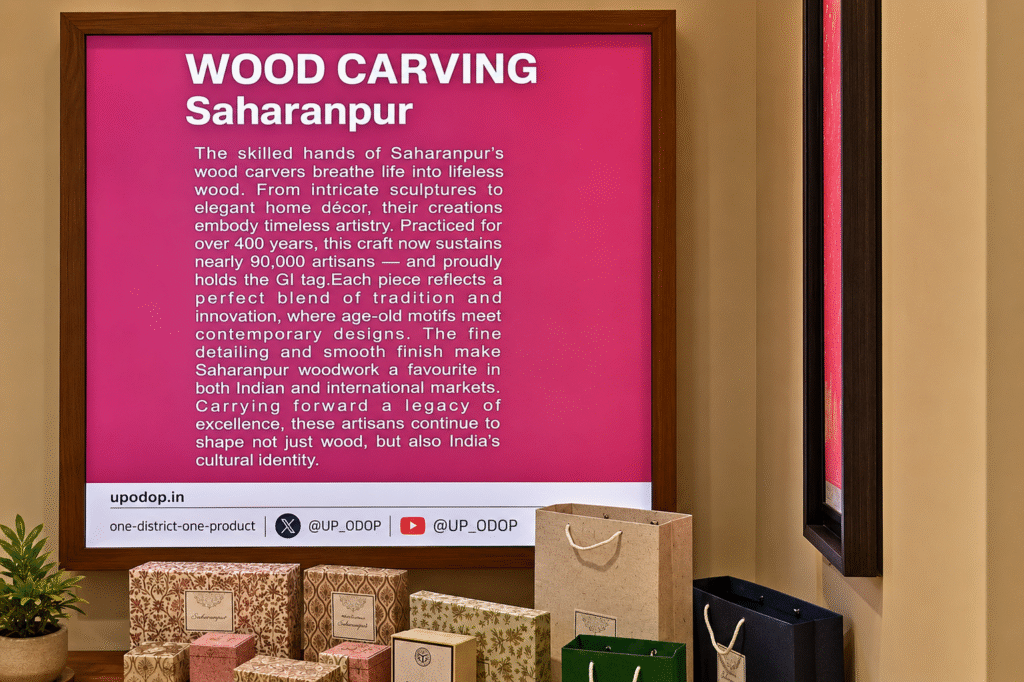
Saharanpur sits in northwestern Uttar Pradesh. Indeed, the city carries a wood carving tradition that has shaped its identity for centuries. As a result, the Indian government gave this craft a GI tag in 2014. This tag protects goods by showing that their unique qualities come from one place. The roots of this craft run deep. During the Mughal era, craftsmen from Kashmir settled in Saharanpur and gradually built the city’s wood carving trade. Meanwhile, Delhi served as the seat of Mughal power. Later, the British also ruled from there. Consequently, royal patrons admired fine wooden handicrafts, helping the trade grow. Eventually, the craft passed down through many generations.
Read More at IBEF
How the Craft Evolved Over Time in Saharanpur
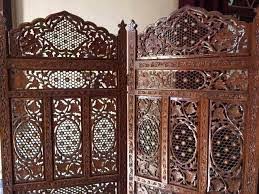
The materials have changed over time. Early craftsmen used Sheesham wood because it grew nearby. They also sent finished pieces to Delhi and Lucknow. As demand grew, artisans added Mango and Keekar wood to their work. Machines later sped up the production process. Today, many still prefer Sheesham because it lasts long and has a rich grain. Others choose Mango wood because it is lighter, feels more modern, and is also more sustainable.
Additionally, this craft has its own distinctive look. Carvers mix geometric shapes with animal figures and floral designs. Many pieces also feature fine lattice work. Few other crafts match this style. Local craftsmen, known as karigars, draw inspiration from Kashmiri designs. Most karigars are Muslim, with about ninety percent belonging to this community. They pass these skills down to their children. They often carve furniture, including tables, chairs, and cabinets. As a result, each piece reflects careful handwork.
The process has three main steps. First, artisans dry the wood using air and heat because wet wood is difficult to carve. Next, they treat the wood with chemicals in a vacuum cylinder under pressure. This process makes the wood more durable. Finally, carvers shape the wood using knives, gouges, and chisels. Each tool helps create fine details.
The Economic Reality Behind the Wood Craft
This trade supports many people. About four hundred thousand workers depend on it, and most earn daily wages. Families continue to pass this skill down through generations. They make a wide range of products, including furniture, art pieces, and even temple woodwork.
However, money does not flow fairly through the trade. Middlemen often gain the most, while finished pieces sell for high prices. Some cost a few hundred rupees, while others sell for thousands. Yet artisans receive only a small share of the earnings. This gap threatens the craft’s future. Moreover, the GI tag helps in one important way. It proves that a product is authentic and represents genuine Saharanpur craftsmanship. However, the tag alone cannot fix the pay gap. Therefore, craft groups continue to push for greater awareness. Informed buyers seek genuine GI-tagged pieces, and they also support fair trade.
Demand for handmade goods keeps rising worldwide. As a result, Saharanpur’s karigars now face a turning point. People continue to admire their skill, and their work still reaches global markets. However, the craft’s future depends on collective action. Buyers, policymakers, and trade groups must work together to ensure that the true value of the craft reaches the artisans who create it.
Follow The World Times for more such updates.