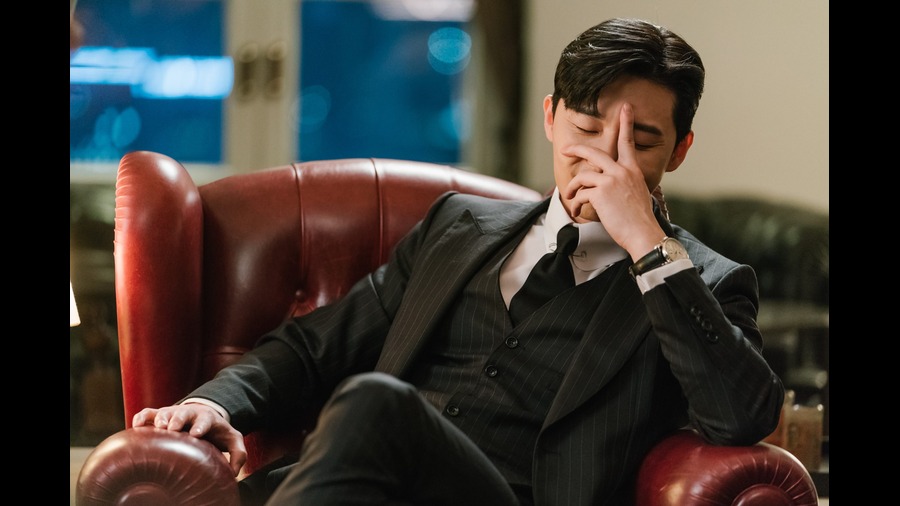
Only a handful of Korean dramas are as popular as the romance between a wealthy CEO and an ordinary woman. Reckless billionaire heirs become obsessed with someone they meet at their mother’s church service, such as Ji-woo and Ye-ji in Casting a Spell to You. Or more typically, a chaebol heir falls for his office employee. Watch the trailer for What’s Wrong With Secretary Kim to see a prime example of the classic rich CEO trope we’re talking about in this article. Viewers have watched variations of this storyline for decades now.
How the Rich CEO Replaced Prince Charming
The appeal is obvious at first glance: the glamorous wealth, luxury and sensual romance. However, its popularity goes far beyond material fantasy. Stories about powerful people falling in love with ordinary individuals have existed for centuries. Imagine Cinderella, abused by her horrible family. She is crying alone in the garden while her stepsisters have left for the royal ball with their mother. Then the fairy Godmother comes with her magic: Bibidi bobidi boo! And Cinderella’s torn dress has been transformed into the most exquisite gown. In a dream carriage, she swiftly reaches the palace. She spends the night dancing with the handsome Prince Charming, who is captivated by her.
Chaebol heirs replace princes in a modern setting, with castles replaced by luxurious corporate boardrooms. A rags-to-riches story is no longer the goal, but rather being chosen by someone extraordinary. This recurring theme highlights social inequalities in South Korea. The country’s competitiveness means family background heavily influences opportunities. This makes social mobility difficult. Rich CEO romances let audiences dream of crossing class barriers through fairy-tale love stories rather than economic privilege. Therefore, these dramas serve as wish fulfilment. They provide viewers a temporary escape from social realities while acknowledging class differences.
Rich CEO Dramas and the “Not Like Other Girls” Heroine

The ordinary female viewer wishes for the richest and most influential man to move mountains for her, even when he does nothing for others. However, this comes at a cost. The female lead must actively renounce her femininity.
She clumsily criticizes dresses and make-up. Others celebrate and eulogize her difference from other girls, resembling a masculine fantasy. Despite scrubbing toilet floors and working various shifts, she still looks ethereal, with glowing skin. She wakes up with perfect hair, soft pink lips, and symmetrical eyebrows, without a dark circle or pimple in sight.
In contrast, powerful and attractive women who assert their femininity often face villainization. They rival wealthy CEOs in rank and privilege. However, they are portrayed as psychos when spurned. Instead of depth and growth, they become obstacles in the hero’s love story. Rachel’s frustration in The Heirs shows this; she is engaged to Kim Tan but must step aside for Cha Eun-sang. As Kim Tan’s fiancée, she holds the expected social status and privilege.
CEOs often date women they can dominate socially and financially. They find it more romantic to date those who cannot compete. Poor women, regardless of past claims about their feminine virtues, end up submissive, enduring the CEO’s commitment issues. In What’s Wrong With Secretary Kim, Lee Young-joon, the narcissistic CEO, gradually learns intimacy while Kim Mi-so stays patient and supportive. Her independence fades as she feels rescued by someone superior.
The Terrifying Eomeonim or Mother-in-Law
One primary hurdle to overcome is the controlling mother-in-law. She believes her son is the most eligible bachelor and that every girl wants to marry him for his money. This possessive attachment can lead the son to prioritize his mother over the woman he loves. In The Heirs, Cha Eun-sang and Kim Tan’s relationship faces resistance from family members, who value social class over love. Similarly, in Boys Over Flowers, Jun-pyo’s mother tries to keep Geum Jan-di away from him.
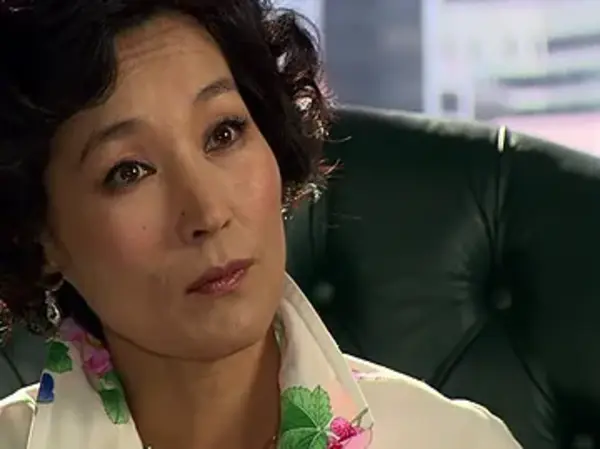
Thankfully, modern Korean dramas challenge the traditional formula. Recent productions feature stronger female protagonists with independent careers and balanced relationships. In Queen of Tears, the story even reverses the power dynamic, placing the woman in a position of wealth and influence. These changes show that audiences enjoy the fantasy but expect more nuanced portrayals of class and gender.
Modern viewers are increasingly questioning the power imbalance in rich CEO romances. Discussions on social media often criticise controlling male leads, unequal relationships and the idealisation of emotional dependence. As a result, recent dramas have begun portraying healthier romances in which both partners grow together rather than one partner “saving” the other.
The enduring popularity of the rich CEO trope reflects universal desires for recognition, emotional connection, and social belonging. Korean dramas revisit this storyline because it effectively combines romance, aspiration, and social commentary that resonate with audiences worldwide.
Follow The World Times for more such updates.