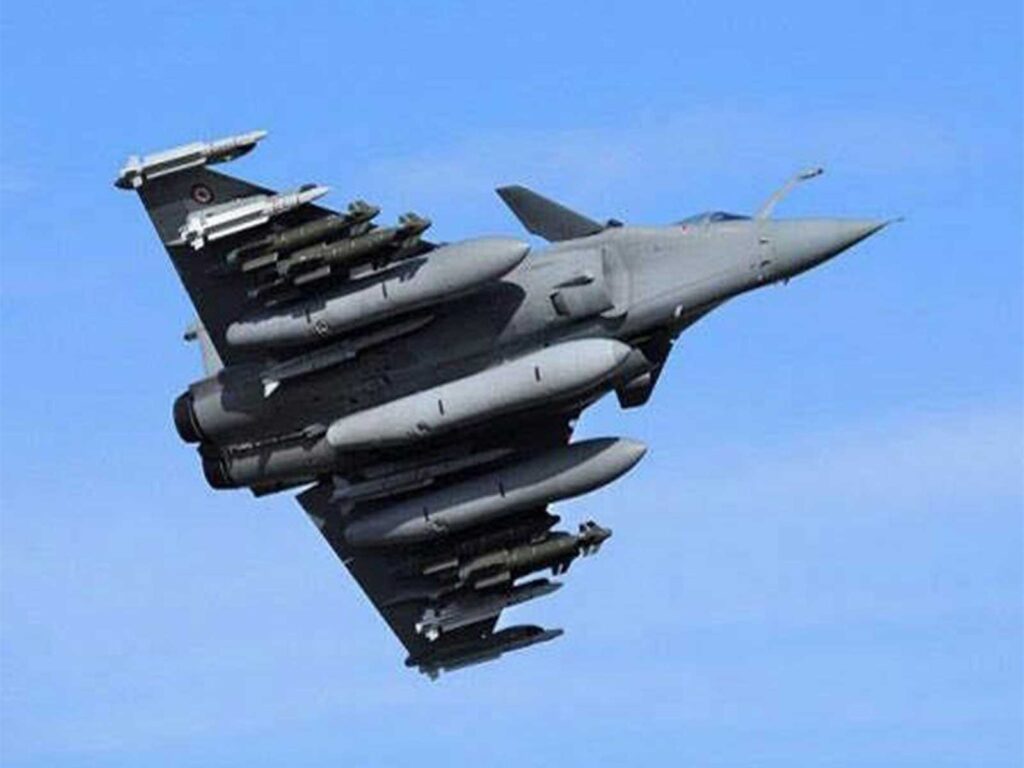
Rafale jet deal has moved a step forward with France submitting its detailed technical and commercial proposal to India for the proposed acquisition of 114 Rafale fighter jets. The Defence Ministry’s Acquisition Wing and the Indian Air Force are now examining the proposal. This is part of the country’s biggest fighter aircraft procurement programme, with the next stage of negotiations to follow.
The deal, worth around Rs 3.25 lakh crore, could significantly strengthen the Indian Air Force. It will give a major boost to domestic defence manufacturing through large-scale production in India.
Rafale Jet Deal Under Review by Indian Authorities
The French proposal comes after India issued a Letter of Request (LoR) earlier this year for the procurement of 114 Rafale multirole fighter aircraft.
According to defence sources, officials from the Defence Ministry’s Acquisition Wing and the Indian Air Force have begun examining the proposal that France submitted. They will assess whether it meets India’s operational, technical and commercial requirements before the process moves to the next stage of negotiations.
One of the key issues that officials are examining is India’s demand to integrate indigenous weapons into the aircraft. The Indian side will study France’s response to integrating systems such as the Astra air-to-air missile. It will also study other indigenous technologies that India wants included in the aircraft package.
Major Push for ‘Make in India’
The proposal makes local manufacturing a major part of the plan.
Under the plan, Indian manufacturers will likely build 94 of the 114 Rafale fighter jets. They will receive the support of an Indian industry partner. French aerospace company Dassault Aviation would work with its major partners, including missile manufacturer MBDA, engine maker Safran and defence electronics company Thales. They would establish manufacturing and production facilities in the country.
Officials believe the project could generate business opportunities worth nearly Rs 1.6 lakh crore for Indian companies. Several domestic firms, including Tata and Larsen & Toubro, could benefit if the programme moves ahead.
The proposal could also strengthen India’s defence manufacturing ecosystem. The Rafale jet deal is likely to create long-term opportunities for the domestic aerospace industry.
Rafale Jet Deal to Strengthen the Indian Air Force
The proposed acquisition aims to address the Indian Air Force’s declining squadron strength.
However, many older aircraft, including several Russian-origin MiG variants, are gradually leaving service. At the same time, delays in the induction of indigenous fighter aircraft have increased the need for additional combat platforms.
Officials believe the induction of 114 Rafale fighter jets would help maintain the Air Force’s operational capability over the coming years.
India has already placed orders for 62 Rafale aircraft for the Air Force and the Navy. If the new order is finalised, India will have ordered a total of 176 Rafale aircraft.
The Indian Navy is also considering 31 more Rafale aircraft in the future for maritime operations. If those plans go ahead, India’s Rafale fleet could eventually cross the 200 aircraft mark.
Deal Cleared for Further Progress
The proposal follows months of groundwork by the Defence Ministry.
The Defence Ministry conducted a comprehensive study to strengthen the Indian Air Force’s capabilities soon after Defence Secretary Rajesh Kumar Singh assumed office in 2024. Its findings laid the foundation for moving ahead with the new fighter aircraft acquisition programme.
The Defence Acquisition Council had already approved the Indian Air Force’s proposal to procure 114 Rafale fighter jets around six months ago. As Indian authorities examine France’s detailed proposal, the acquisition process has entered its next phase before commercial negotiations and further evaluations begin.
If the proposal receives the necessary approvals, the Rafale jet deal could modernise the Indian Air Force’s combat fleet while also becoming one of the country’s biggest defence manufacturing initiatives through extensive production within India.
Read more on ANI.
Follow The World Times for more such updates!