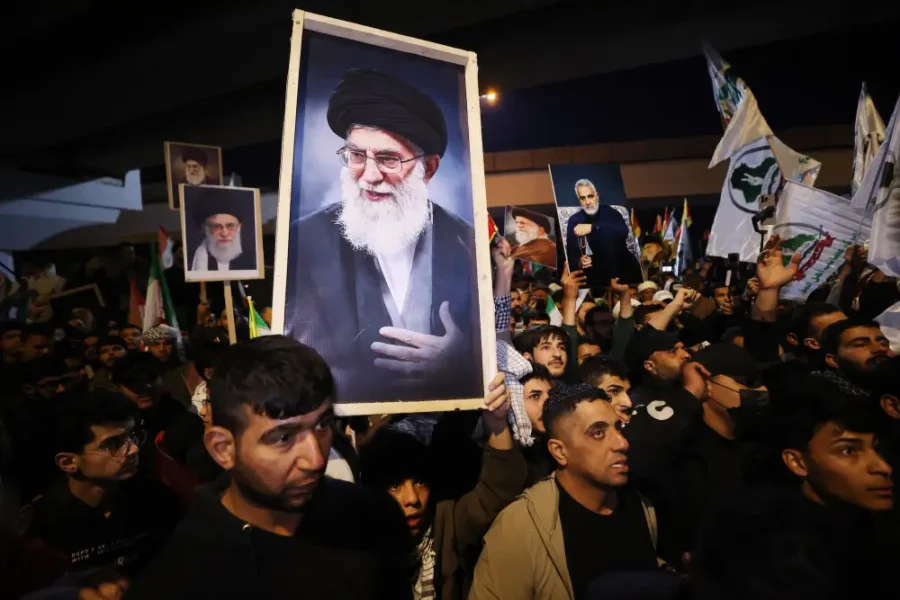
Iranian state media and international reports confirmed that Iran’s Supreme Leader Ayatollah Ali Khamenei has died at age 86. The death came after coordinated military strikes by the United States and Israel on Iran, marking a major turning point in the ongoing conflict in the Middle East.
Iran’s state television announced early Sunday that Khamenei died following the attacks, which struck key locations in the capital, Tehran, including his compound. The Islamic Republic declared 40 days of national mourning and several days of public holidays in his honor.
Historic Leadership Ends
Khamenei has led Iran as its supreme leader since 1989 and is one of the longest-serving political figures in the country’s history. He held ultimate authority over the government, military and judiciary for more than three decades.
Global powers and analysts describe his death as a dramatic shift in Iran’s political trajectory. His influence shaped Iran’s domestic policies and its foreign strategy, especially its confrontational stance against the United States and Israel.
US and Israeli Statements on Iran
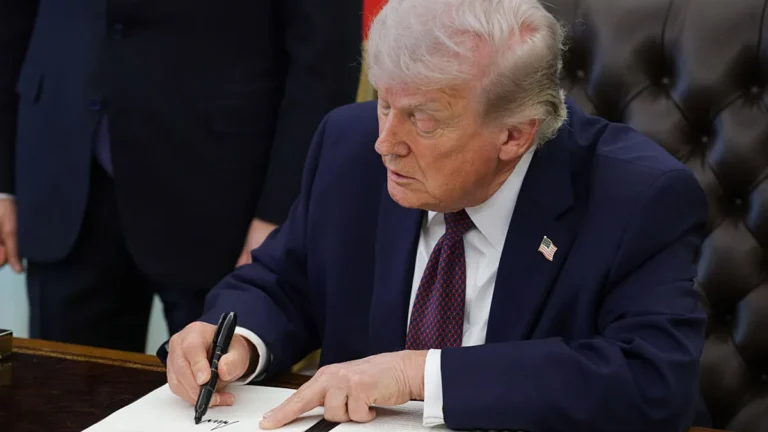
U.S. President Donald Trump confirmed the operation and framed Khamenei’s death as a decisive blow against what he called a longstanding threat to regional security. He wrote that the action gave Iranians a “chance to reclaim their country’s future.” Israeli leaders also affirmed the impact of the strikes, with officials saying the operation targeted Iran’s leadership infrastructure to address security concerns related to its nuclear programme and regional influence.
Regional and Global Reactions
The news sent shockwaves across the Middle East. Iran’s Islamic Revolutionary Guard Corps vowed retaliation and adherence to its defence doctrine. Several regional states heightened security alerts in response to the uncertainty surrounding future military and diplomatic developments.
Energy markets reacted immediately as traders evaluated the potential impact on oil supplies and routes, particularly in strategic waterways such as the Strait of Hormuz.
Succession and Future Uncertainty
Iran’s political system now faces a leadership transition. State media indicated that a temporary council will manage national affairs until a new supreme leader is appointed. The process could involve senior clerics and political bodies, highlighting the uncertain future of the Islamic Republic. Khamenei’s death leaves a power vacuum and raises questions about how Iran’s government, military, and regional strategy will evolve in the coming months.
Stay Tuned with The World Times for Latest Updates