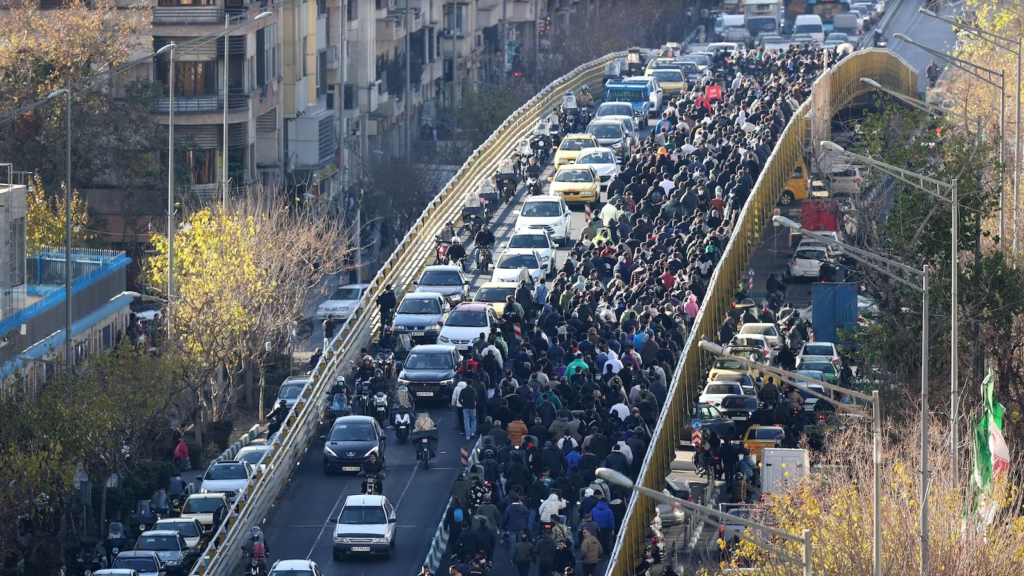
Iran is witnessing its largest and worst protests of all time as people demanding “death to the dictator,” triggered after the currency hit a historic low, and soaring living costs.
The end of the year 2025 in Iran is not quite right. The collapse of the Iranian currency, the rial, has led to public outbursts. Massive protests in various cities such as Tehran, Malard, Hamadan, Qeshm, Kermanshah, Shiraz, and Yazd, among others, have been seen. Bazaar traders, shopkeepers, students, women, pensioners, and urban workers are all participating, leading to the shutdown of markets.
Slogans of “Death to the dictator”, “Mullahs must leave,” and “Don’t be afraid, we’re all together” indicate the severity of the protests. People are challenging the clerical institutions and demanding the collapse of the Islamic regime. The events indicate that it’s not merely an isolated event, but a result of deep economic collapse and political repression.
What Triggered the Iran Protests?
On Sunday, the Iranian Rial reached its record low, with 1 USD equating to 1.42 million Iranian Rial. This is the unofficial market exchange rate reflecting real demand and inflation in the economy. However, the government often reports much lower official/managed rates (like ~42,000 rial) for certain transactions or policy purposes.
The currency collapse led to a further increase in inflation, causing a substantial rise in prices of essential goods, including bread, rice, cooking oil, fuel, medicine, etc. The inflation is reported to have increased by more than 50%. This further resulted in extremely high youth unemployment and sky-high living costs. Middle-class Iranian families lost all of their life-long savings, import-dependent sectors collapsed, and confidence in the state was shattered.
What Are the Deeper Causes of the Iran Protests?
Economic Management
The Iranian economy is dominated by the state. The clerical institutions and the Islamic Revolutionary Guard Corps tightly control the market and economic institutions. Moreover, massive corruption, opaque foundations (bonyads) and elite privileges have further destroyed the economy. The oil wealth of the country benefits the state rather than its citizens.
Political Repression
There are no free, democratic elections. The supreme leader of Iran is the highest political and religious authority and controls the elections. Any dissent is punished with arrests, torture and executions.
Social and Cultural Causes
Iran has highly strict hijab enforcement, imposing severe penalties, including prison and death sentences. Internet freedom is restricted. Women and youth are brutally policed, leading to a rise in repression and violence against these groups.
The protests were also built on the memory of the 2019 fuel-price protests and 2022 “Women, Life, Freedom” movement, sparked by the death of Mahsa Amini.
What is the Government’s Response?
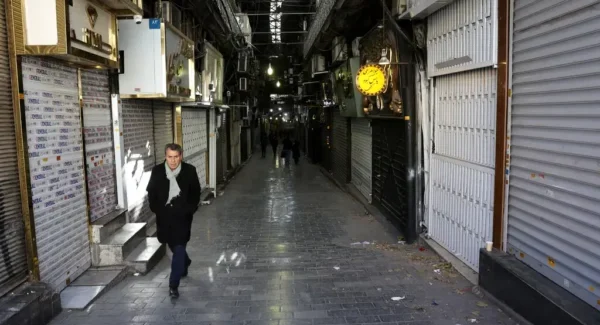
The Iranian government has responded by deploying riot police and Basij militias. There have been internet throttling, social media blocks, and arrests of activists, journalists, and traders. Governments have unusually spoken of dialogue in limited cases, indicating concern but not confidence.
The Iranian Government Spokesperson, Fatemeh Mohajerani, stated, “The government will listen patiently, even if there are harsh voices, because we believe that our people are patient enough. The government’s job is to hear the voices and help them reach a common understanding to solve the problems that exist in society.”
However, the citizens have had enough and are strongly rejecting the clerical rule (Velâyat-e Faqîh. They are demanding an end to long-standing authoritarianism, leading to a loss of religious legitimacy.
Where Does Trump Fit?
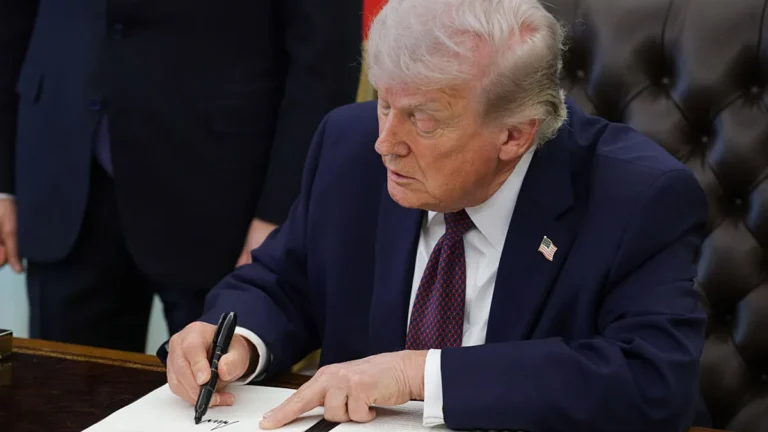
Under Donald Trump, the US has re-imposed harsh sanctions on oil imports, banking, shipping, and insurance, and Iran was cut off from the global financial system. The allies were pressured to avoid trade with Iran, which led to a sharp decline in oil revenues, foreign investment, and foreign investment. As a result, the currency of the Iranian Rial destabilized, inflation accelerated, and government-cut subsidies and living standards fell abruptly. So, these sanctions indirectly intensified Iran’s problems.
During his first term, Donald Trump issued a warning to Iran’s then-president, Hassan Rouhani, in 2018. He wrote on X, “Iranian leaders will have to face consequences the likes of which they have never faced before in history.”
Although Trump has repeatedly stated that he does not seek regime change in Iran, U.S. sanctions have disproportionately harmed ordinary people, creating conditions of revolt.
What Comes Next for Iran?
What could follow remains uncertain. The late-2025 protests in Iran have emerged under some of the most severe economic and social pressures the country has faced in years, raising speculation about the possibility of meaningful political change. However, if the state succeeds in suppressing the movement, as it has in previous cycles, control may return temporarily while the root grievances remain unresolved.
For more such informative articles, stay tuned at The World Times.