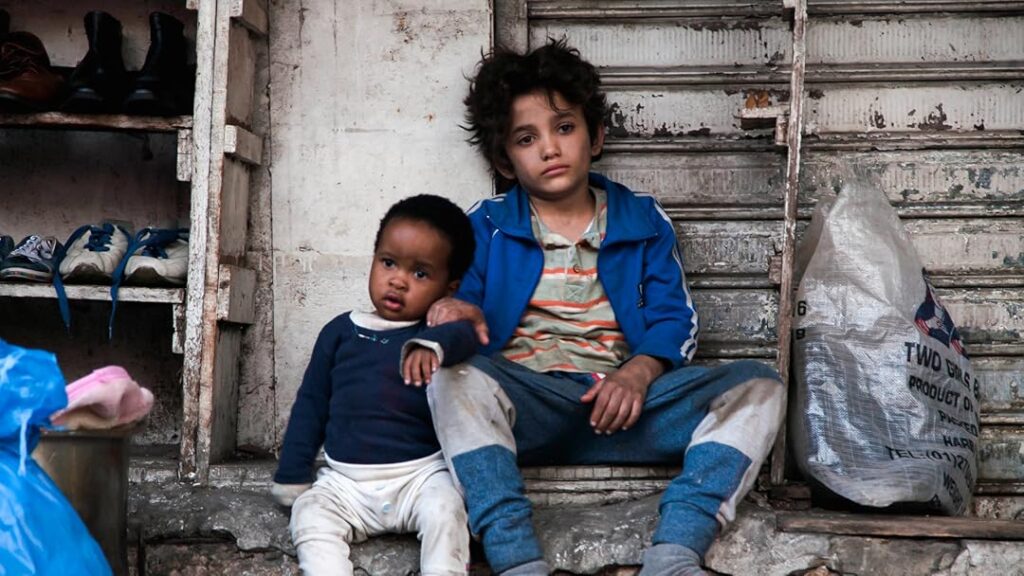
Capernaum (2018), directed by Nadine Labaki, offers a glimpse into the lives of people—especially children—trapped in war and humanitarian crises. They struggle to survive each day, while conflict slowly strips away the innocence and joy that childhood should hold. The film earned widespread acclaim, receiving 37 awards and 56 nominations. It also became the first Lebanese film to achieve such international recognition.
Given the film’s prestige and critical acclaim, countless articles have already explored it. Nevertheless, this is my contribution to that growing conversation. Similarly, Imtiaz Ali’s latest film, Main Vaapas Aaunga, portrays how Keenu (Vedang Raina) spends his life feeling like a refugee in his own country despite possessing all the necessary documents and verifications. The film concludes with Diljit Dosanjh’s “Kya Kamaal Hai.”
As the song plays, brief clips show people caught in war—children crying and laughing, buildings collapsing, fires raging, and crowds lining up for food. These images capture the hardships they endure. Deprived of even basic necessities, they continue to fight for survival while holding on to hope and, at times, a smile.
Why Zain in Capernaum States “I want to sue my parents”
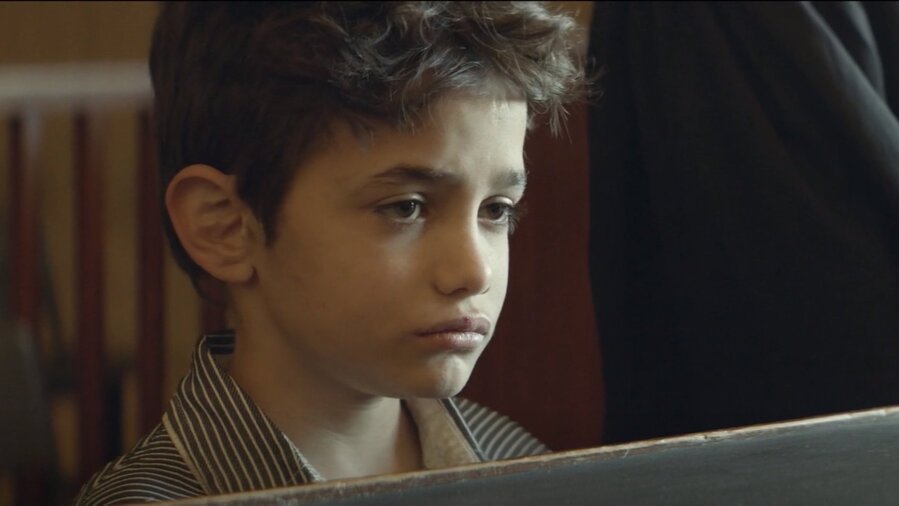
Capernaum is a story of people within those very hardships. The Arabic word “Caphernaum” means “Village of Comfort”, but what the movie portrays is quite the opposite. It shows a 12-year-old Zain Al-Hajj who sued his parents to bring him into this world. He contends to stop his parents from procreating any more children after 8 already (including Zain).
Starting with the chaotic, alcoholic and chain-smoking parents, the movie shows how Zain and his siblings earn a living by selling juices. On one side, where the children sleep in the enclosed spaces with hands over each other, the parents become involved in intimate relations with just one veil in-between. To get rid of the burden of their daughter, reduce their head in food consumption, and because she “blossomed”, they gave 11 y/o Sahar to Assadd, who lets him live for free in his building.
Sahar was the most beloved to Zain in the whole world, and despite the rebellion, tears and beating he got, he couldn’t stop her. Sahar’s forced marriage becomes the film’s first major demonstration of how poverty transforms children into economic burdens rather than family members.
The Maturity of that 12 y/o in Capernaum

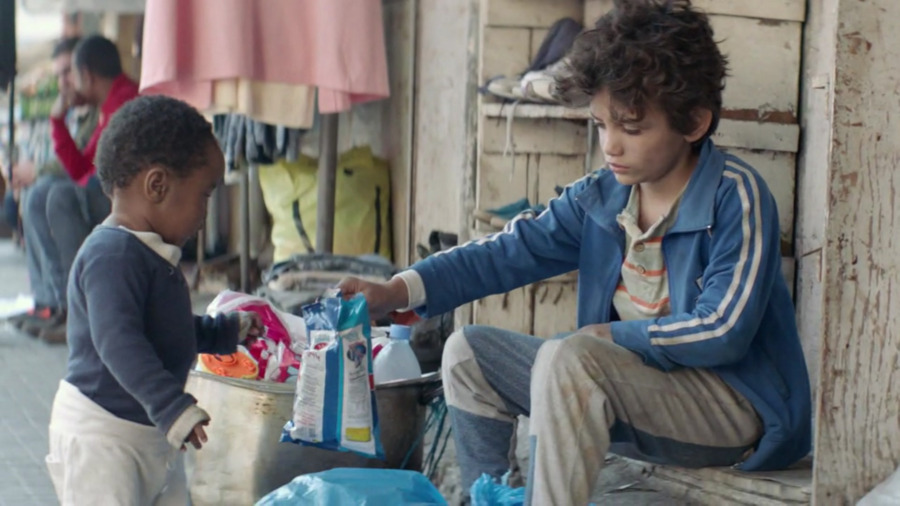
A 12 y/o is supposed to go to school, watch cartoons, play games, and make memories of their childhood. But here is Zain looking out for his sister, hiding her menstrual blood so that his mother doesn’t marry her off. Selling juices and negotiating to make a penny or two. Playing with the street boys by making wooden guns and smoking. Looking at the school-going children with those longing eyes.
After living with Rahil, he understood what love is, the warmth of motherhood. He looked after himself and Yonas all alone. Being a 12 y/o, he managed to convince the aid worker for food and diapers. While carrying responsibilities far beyond his age, Zain longed for a normal childhood. He wanted to watch cartoons, attend school, and eat until he felt full. Above all, he wanted to love and be loved.
The affection he showed Yonas, especially through the kisses he gave him at their separation, reflected that desire. Likewise, the lengths he went to protect and care for Sahar revealed his deep capacity for love and responsibility. At the same time, Zain understood the consequences of his parents’ actions. He recognized that they continued bringing children into a world they could not adequately support. As a result, he took the extraordinary step of suing them for giving birth to more children than they could sustain.
Blurred Lines between Character, Actor and their Personal Lives in Capernaum
In the interviews, Nadine Labaki tells the stories of actors and how much they resemble their characters. Zain Al-Hajj is played by Zain Al-Rafeea, who was a Syrian refugee living in Lebanon. Nadine tells how the casting was not very much about auditions, perfection and acting. Instead, it was just her having conversations with the people and kids in the street, talking to them, making them comfortable with her.
Nadine Labaki did not want actors; she wanted people who understood her characters’ realities. She sought individuals who could relate to those experiences and communicate her message to the world. That search led her to Zain. Like his character, Zain had lived through poverty and struggled for food, water, and other basic necessities. Labaki recalls that he initially hesitated to share his story. However, as trust grew between them, he gradually opened up. The behind-the-scenes footage captures this bond through Labaki’s hugs, quiet reassurances, and the comfort she created for the cast.
The Real People Behind Capernaum
Both Zain and Rahil exist on the margins of society. In the film, Zain asks his parents for identification papers so he can move to Syria. Similarly, Rahil constantly struggles to answer Aspro’s questions about her legal status. Through these moments, the film highlights a painful reality: when a country refuses to recognize its own people, it strips them of their identity, rights, and sense of belonging. The question then becomes unavoidable—how can people build a future when society refuses to acknowledge their existence?
“Your words ache my heart.”
“Life is shit. It is filthier than the shoes on my feet. All I will remember is the beating and the abuse I got. It is hell. Like I am a roasted chicken, that I long to eat.”
These lines were not merely spoken; he expressed them with raw emotion, as though he had finally found a moment to tell the world about everything he had endured. His bond with Yonas felt incredibly authentic, making it easy to believe they were real brothers. Every glance, every tear, and every perfectly timed gesture—especially when Yonas reached out to him—added to that authenticity. As I watched, I found myself wondering whether they were acting at all or simply living their reality in front of the camera.
Similarly, Yordanos Shiferaw, who played Rahil, brought her own experiences to the role. At the time of filming, she lived in Lebanon as a refugee with her mother. In interviews, she has spoken about her mother’s arrest and recalled the birthdays they celebrated together. These personal experiences gave her performance a depth and sincerity that resonated throughout the film.
Acting and Cinematography
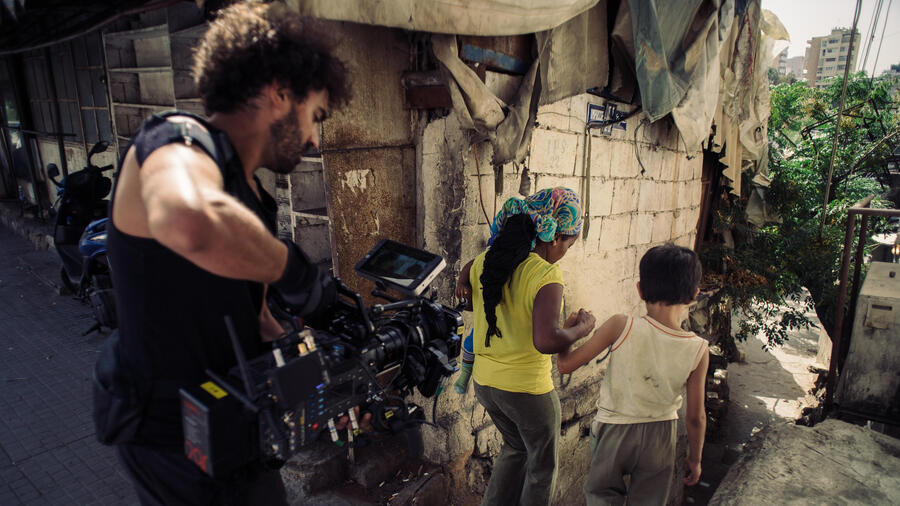
The sadness in their eyes, the tears, and the lingering emptiness felt strikingly real. Every expression carried emotional weight. Likewise, every line gripped the audience and left a lasting impact.The film maintains a natural visual style throughout. The colours remain realistic and unfiltered, mirroring the world beyond the camera. Moreover, the director cast non-professional actors, many of whom were street children. Through this approach, she strengthens the film’s connection to reality and presents life as it is.
Several scenes stand out because of their energy and emotional force. The camera follows Zain relentlessly as he chases Assad with a knife. In prison, the boys cheer loudly while watching him speak on television. Later, Rahil runs desperately to reach Yonas. Each moment evokes a sense of liberation, as though a bird has finally escaped its cage.
Similarities with Bol (2011)
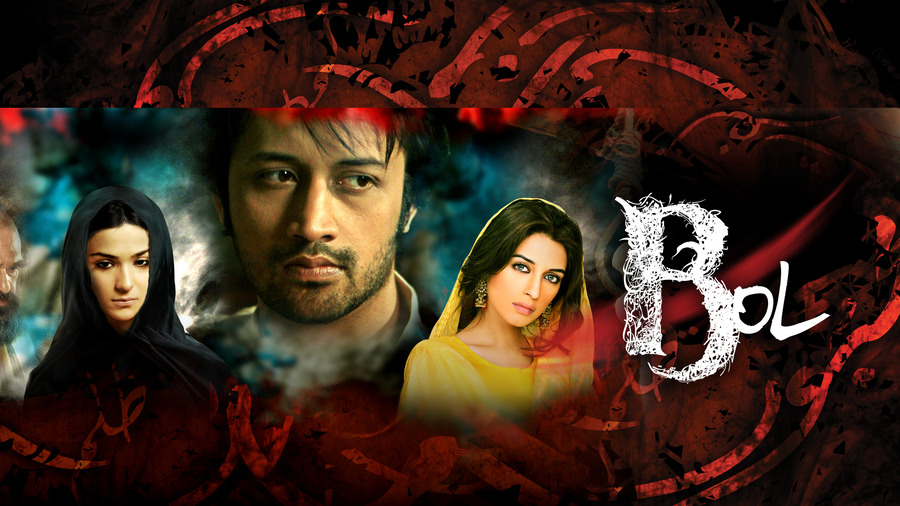
Apart from the struggles of the people in war zones that the movie portrays, it questions how people are still procreating children to any extent. Zain’s parents, who are not financially stable, live in a small and extremely cosy house, have 7 small children, with 1 in jail.
A similar scenario can be seen in Bol, where Hakim, in the desire to have a boy, ends up having 7 daughters, with continuous pressure and abuse of his wife for her inability to give him a son. Zainub (eldest daughter) was married off to reduce the financial burden of the family. There she was abused and harassed, followed by her return to her home. Over a heated and violent argument between the daughter and her father, she ends up stabbing her father.
In the end, while getting publicly executed, Zainub leaves everyone with a very important and impactful question for everyone.
“ If you can’t bear to raise a child, then why do you bore them? “
More Than a Film, a Cry for Recognition
Capernaum is not just a movie; it tells the story of countless people living in countries affected by poverty, neglect, and systemic failures. It gives voice to those who desperately want to share their experiences but rarely receive the opportunity to do so. Although Zain’s lawsuit had no legal or prima facie standing before the court, the hearing itself served an important purpose. By questioning a deeply entrenched cycle of suffering and ignorance, Zain challenged a system that continues to affect millions.
Moreover, after listening to his parents’ arguments, viewers realize that they are not solely to blame. Instead, they are victims of the same harsh circumstances. They never had the privilege of choice; rather, they simply follow the patterns and realities they have known throughout their lives.
Through this story, Nadine Labaki urges the world to acknowledge a painful reality. While many of us sleep comfortably and enjoy regular meals, countless others grow weary of life yet continue to survive without direction or hope. Furthermore, as Labaki herself noted, the actors did not merely perform their roles; they poured their hearts into them. They embraced a rare opportunity to show the world the struggles they face every day.
As a result, the film leaves a profound impact. It not only provokes thought but also creates a lingering sense of emptiness and discomfort. More importantly, it challenges viewers to reconsider their perspectives and appreciate the privileges and joys they often take for granted.
For more such content, stay tuned to The World Times!