On July 9, 2025, India witnessed a massive Bharat Bandh, or nationwide shutdown, led by 10 major central trade unions, including, CPI(M) (Communist Party of India, Marxist), INTUC (Indian National Trade Union Congress) and AITUC (All India Trade Union Congress). Approximately 25 crore workers actively participated to protest what they described as the “government’s anti-worker and anti-farmer policies.” The strike aimed to disrupt key sectors across the country and highlight the growing frustration among workers and farmers.
What Triggered the Bandh?
The government’s implementation of new labor codes sparked the protest. Workers claimed that these laws-
- weakened trade unions
- extended working hours without fair compensation
- eliminated penalties for employers who violate regulations.
They also argued that the laws restrict the right to strike, making it harder for workers to demand fair treatment. To many, these changes clearly favor large corporations and leave workers increasingly vulnerable.
In response, trade unions issued several strong demands. They called on the government-
- to scrap the new labor codes
- stop the privatization of public sector enterprises like banks and railways
- reinstate the old pension scheme.
Additionally, they demanded a national minimum wage of ₹26,000, stronger job security, and improved social protections. Protesters insist that these steps are essential to restore dignity and fairness in the workplace.

Support and Reinforcement for the Bandh
Farmer groups stood firmly in solidarity with the workers and participated in the bandh. They demanded a legal guarantee for the Minimum Support Price for crops and greater government support for rural employment and fair wages. Farmers argue that current policies have deepened financial distress in rural areas and increased economic insecurity.
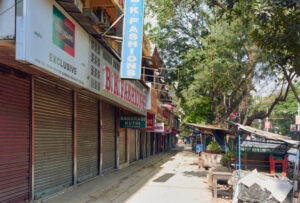
The bandh disrupted several critical sectors across certain parts of the country. Public transport, coal mining, banking, and postal services experienced slowdowns in states like West Bengal, Kerala, and Bihar. However, essential services and most private sector operations continued as usual. Metropolitan cities like Delhi and Mumbai were said to be unaffected.
The Public’s Reaction
Protesters strongly criticized the government, labelling its policies as “anti-worker, anti-farmer, and pro-corporate.” They pointed to rising unemployment, inflation, shrinking real wages, and cuts to spending on health, education, and urban services as clear signs of inequality. One of the most significant flashpoints was the proposed privatization of the power sector, particularly in states like Uttar Pradesh.
Unions argue that privatization is a social and political decision that threatens job security, reduces public accountability, and strips away subsidized services that the poor depend on. For the workers and farmers who joined the Bharat Bandh, this was more than a protest, it was a fight to protect their livelihoods, rights, and future.
For more articles like this, keep up with us at The World Times.