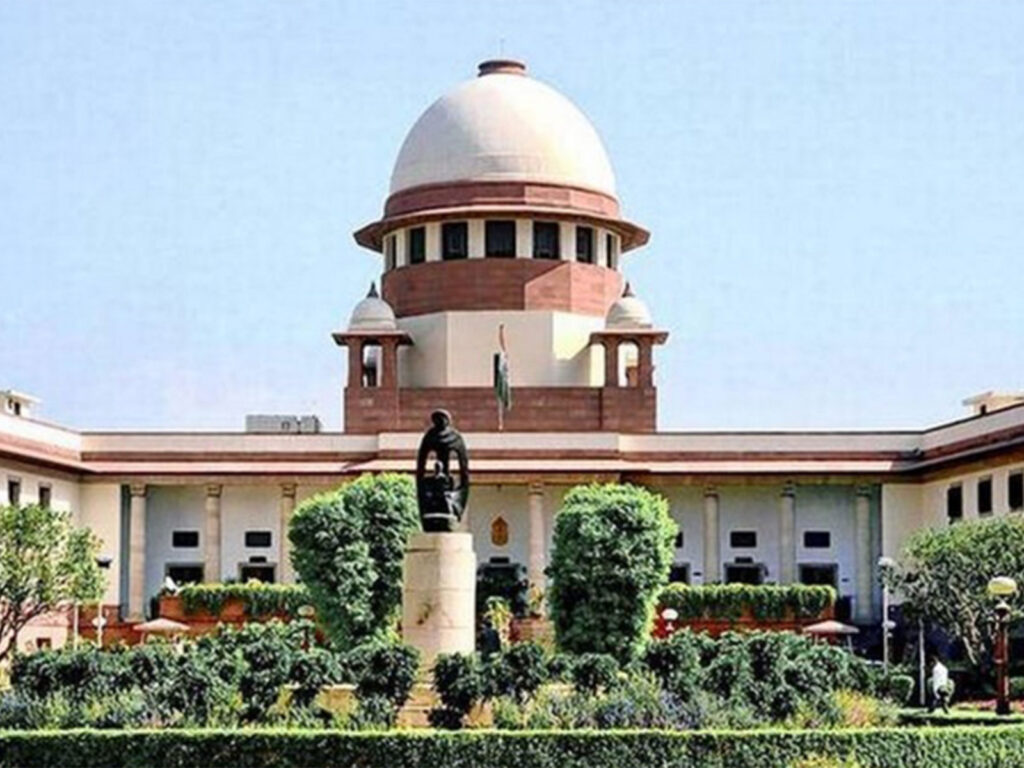
Betting Apps Ban set to come up before the Supreme Court as it prepares to begin the final hearing on petitions seeking stricter regulation of online and offline betting platforms. The petitions have called for a uniform central law to prohibit or regulate betting apps. They argue that unchecked gambling platforms are leading to financial losses, addiction and several social concerns across the country.
Supreme Court to Begin Final Hearing
A Bench comprising Chief Justice of India Surya Kant and Justices Joymalya Bagchi and V. Mohana directed all parties to complete their pleadings before the final hearing.
Evangelist K.A. Paul and the Centre for Accountability and Systemic Change (CASC) filed the petitions. They have urged the Central Government to introduce a nationwide legal framework to either ban or strictly regulate online and offline betting platforms operating in India. According to the petitioners, a central law is necessary because the rules governing betting and gambling currently differ from one state to another. This results in an uneven regulatory framework.
Betting Apps Ban Sought Through Central Law
Betting platforms face stricter regulation (Source: OpenAI)
The petitioners have also asked the Centre to frame a uniform law covering both online and offline betting activities. They argue that several gambling platforms continue to operate under the guise of gaming, social engagement, or e-sports, which makes effective regulation more difficult.
Earlier in the proceedings, the Supreme Court had sought responses from the Central Government, Google India, TRAI, Apple India, Dream11 Fantasy, Mobile Premier League (MPL), A23 Games and other stakeholders named in the petitions.
The plea says a nationwide legal framework would bring greater clarity. It will strengthen oversight of betting-related activities across the country.
Concerns Over Celebrity Promotions
The petitions have also raised concerns over celebrities, cricketers, actors and social media influencers who endorse betting platforms.
According to the petitioners, such advertisements may influence young audiences by portraying betting as a harmless form of entertainment. They argue that this could expose many people, particularly youngsters, to financial risks and gambling addiction. The petitions further state that thousands of families reportedly have suffered financial losses because of unregulated betting platforms.
Money Laundering and Public Interest Claims
Betting app usage (Source: iStock Photo)
The petitions also allege that certain unregulated betting platforms could facilitate money laundering and black money transactions. It raises concerns under the Prevention of Money Laundering Act (PMLA), 2002.
To support their arguments, the petitioners referred to instances of financial distress that gambling reportedly caused. They claimed that more than 24 suicides in Telangana over the past one and a half years resulted directly from debt arising from gambling platforms. The petitions also point to similar concerns that people have reported from other parts of the country.
According to the plea, without timely intervention, more individuals and families could face serious financial and psychological hardship.
What Happens Next in the Betting Apps Ban Case?
With the pleadings nearing completion, the Supreme Court is now expected to examine whether the country requires a uniform legal framework to regulate betting platforms across the country.
The final hearing is expected to focus on the responsibilities of the Centre, the role of technology platforms and whether India needs stronger nationwide regulation to address concerns related to online and offline betting. The Court’s decision could have a significant impact on how authorities regulate betting apps in India.
Read more on ANI.
Follow The World Times for more such updates!