
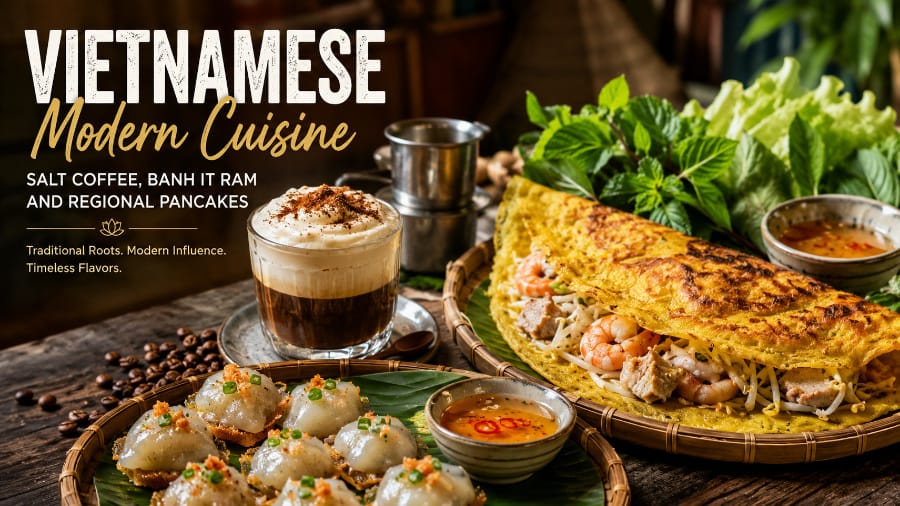
Vietnamese modern cuisine is not just about flavor; it is about stories that travel across generations and now across the world. One of the most charming legends behind its current global popularity begins with a simple mistake and a quiet act of love.
According to popular folklore, a young fisherman once married a new bride along the Vietnamese coast. One early morning, eager to care for her husband before he headed out to sea, she rushed to prepare his usual cup of strong, traditional coffee. Still half asleep, she accidentally reached for the wrong jar, adding coarse sea salt instead of sugar.
When the fisherman took his first sip, he expected sweetness but was met with a sharp, salty surprise. Not wanting to hurt his bride or dampen her efforts, he smiled, drank the entire cup, and praised it as delicious. Touched by his reaction, she continued serving him coffee with salt every day. As the story goes, he drank it for the rest of his life out of love, and their marriage remained long and happy.
This light-hearted tale captures something essential about Vietnamese modern cuisine. It is rooted in emotion, memory, and human connection just as much as it is in taste. Today, what began as a simple accident has evolved into one of Vietnam’s most talked-about culinary exports: salt coffee.
Vietnamese Modern Cuisine
Vietnamese modern cuisine is entering a powerful new era, where traditional dishes are being rediscovered, reinterpreted, and amplified across the global internet. What was once local and deeply rooted in regional identity is now being shared, photographed, and celebrated worldwide. At the center of this movement are standout dishes like salt coffee, banh it ram, and regional sizzling pancakes, each representing a different facet of Vietnam’s evolving culinary identity.
This surge in global attention is not accidental. It reflects a deeper shift in how food is experienced today. Social media platforms have transformed local specialties into global phenomena, where visual appeal, storytelling, and cultural authenticity all play critical roles. Vietnamese modern cuisine fits perfectly into this landscape, offering vibrant flavors, rich culinary heritage, and visually compelling dishes that capture attention instantly.
Salt Coffee and the Art of Unexpected Balance
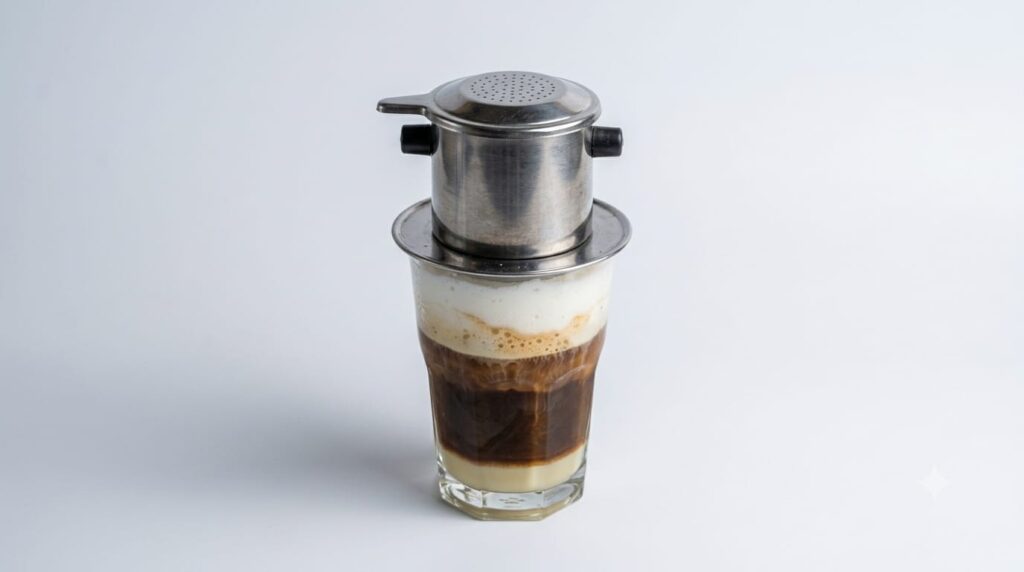
Salt coffee is perhaps the most surprising success story within Vietnamese modern cuisine. Originating from Hue, a city known for its refined culinary traditions, this drink challenges expectations in the best way possible. The combination of strong coffee, a hint of salt, and a creamy foam layer creates a flavor profile that is both complex and comforting.
What makes salt coffee stand out is its balance. The salt subtly reduces bitterness while enhancing the natural richness of the coffee. The creamy topping adds texture and visual appeal, making it highly shareable online. This balance between taste and presentation has helped salt coffee become a viral sensation, especially among younger audiences looking for new and unique experiences.
Beyond Vietnam, salt coffee has started appearing in cafés around the world, often adapted to local preferences. Despite these variations, the original version remains the most compelling because of its simplicity and authenticity. It perfectly illustrates how Vietnamese modern cuisine can innovate without losing its roots.
Banh It Ram and the Revival of Tradition
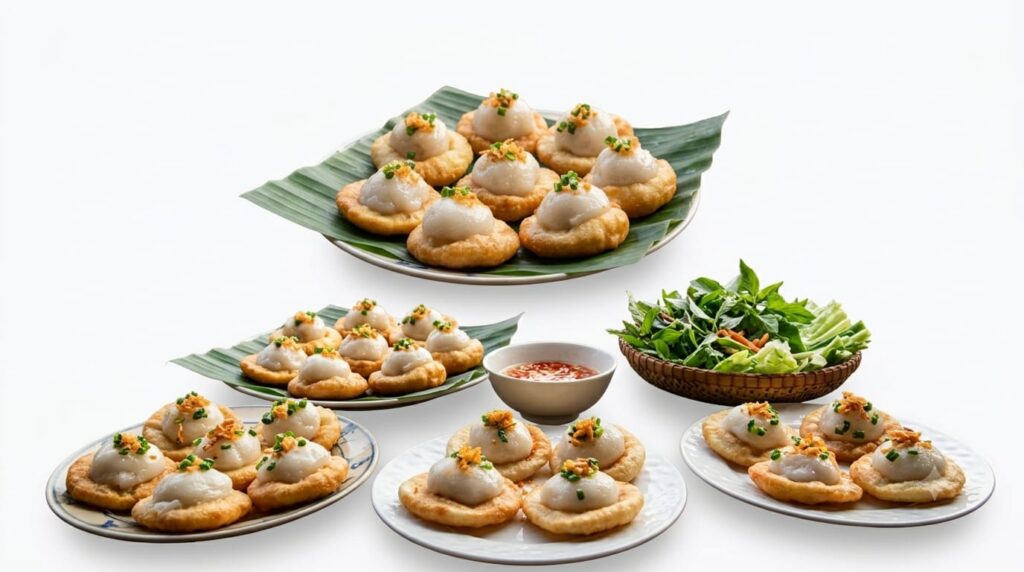
While salt coffee represents innovation, banh it ram showcases the power of tradition in Vietnamese modern cuisine. This central Vietnamese dish combines two contrasting elements: a soft, chewy sticky rice dumpling on top and a crispy fried base underneath. The result is a textural experience that is both satisfying and memorable.
Banh it ram’s growing popularity is closely tied to the current appreciation for authentic, heritage foods. As global audiences become more interested in cultural depth, dishes like this gain new relevance. Food creators and chefs have played a key role in this revival by presenting banh it ram in visually appealing ways while highlighting its origins and significance.
The dish does not rely on dramatic reinvention to succeed. Instead, its strength lies in its integrity. The contrast of textures, the savory filling, and the accompanying dipping sauce create a harmonious experience that resonates with both local and international audiences. In the context of Vietnamese modern cuisine, banh it ram proves that tradition itself can be a powerful trend.
Regional Pancakes and Culinary Diversity
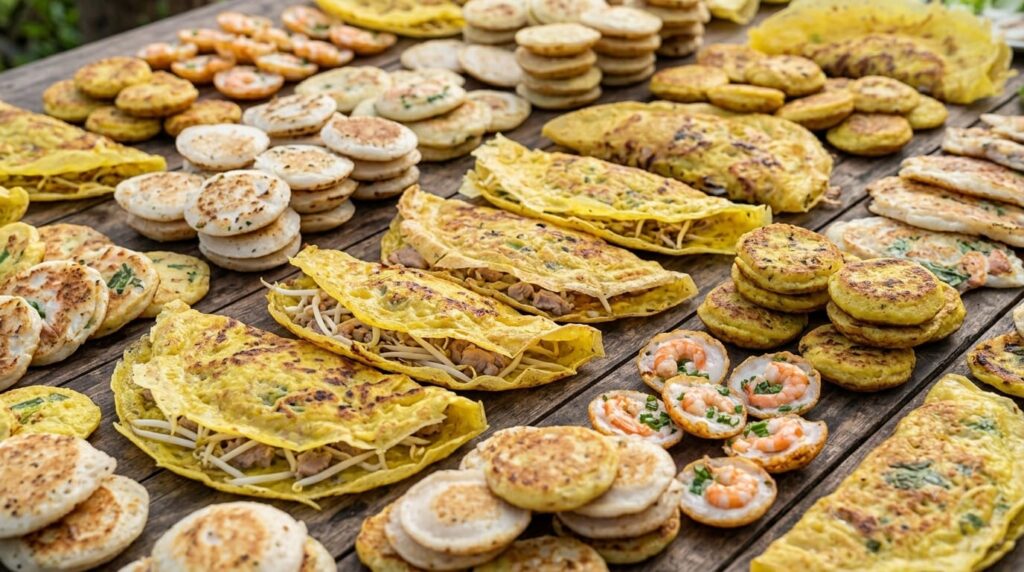
Vietnamese sizzling pancakes, commonly known as banh xeo, represent another dimension of Vietnamese modern cuisine: regional diversity. While the name remains the same, the dish varies significantly across different parts of the country.
In central Vietnam, pancakes are smaller, crispier, and often served with a wide variety of herbs. In the south, they are larger, richer, and filled generously with ingredients like shrimp, pork, and bean sprouts. These regional differences highlight the adaptability and creativity within Vietnamese cooking.
What makes these pancakes particularly appealing to global audiences is their interactive nature. Eating them involves wrapping pieces in fresh greens and dipping them into sauce, turning the meal into an experience rather than just consumption. This participatory element aligns well with modern dining trends, where engagement and storytelling are just as important as flavor.
On digital platforms, these pancakes perform exceptionally well because of their sensory appeal. The sizzling sound during cooking, the golden crispy texture, and the vibrant colors all contribute to their popularity. These qualities make them a perfect ambassador for Vietnamese modern cuisine in the digital age.
Why Vietnamese Modern Cuisine is Trending Globally
Several factors explain the rapid rise of Vietnamese modern cuisine on the global stage. First is its balance of flavors. Vietnamese dishes often achieve harmony without overwhelming the palate, making them accessible to a wide range of tastes.
Second is the emphasis on freshness and health. With abundant herbs, vegetables, and relatively light cooking methods, Vietnamese food aligns with modern preferences for clean and nutritious eating. This positions Vietnamese modern cuisine as both delicious and health-conscious.
Third is the cultural narrative behind each dish. Food is no longer just about taste; it is about meaning. Vietnamese cuisine carries stories of history, geography, and community, which add depth to the dining experience. When these stories are shared effectively, they enhance the appeal of the food itself.
Finally, the role of social media cannot be overstated. Short videos, striking visuals, and engaging storytelling have accelerated the spread of Vietnamese dishes. A single viral clip can introduce millions to a dish they have never seen before. Vietnamese modern cuisine thrives in this environment because it offers both visual beauty and authentic storytelling.
The Future of Vietnamese Modern Cuisine
The momentum behind Vietnamese modern cuisine suggests a promising future, but it also presents important challenges. Maintaining authenticity while embracing innovation will be key. As dishes evolve to meet global tastes, preserving their cultural identity will ensure they remain meaningful and distinctive.
Chefs, restaurateurs, and content creators all play a role in shaping this future. By continuing to highlight regional specialties, experimenting thoughtfully, and sharing cultural context, they can expand the reach of Vietnamese cuisine without diluting its essence. There is also an opportunity to build a stronger global brand around Vietnamese food. While individual dishes are gaining popularity, a more unified identity could elevate Vietnamese modern cuisine even further on the international stage.
Vietnamese modern cuisine represents a dynamic intersection of tradition and innovation. From the romantic folklore behind salt coffee to the textural contrast of banh it ram and the regional diversity of sizzling pancakes, these dishes capture the essence of a culinary culture in motion.
Global audiences are helping propel Vietnamese modern cuisine to become one of the most influential food movements of our time. Its ability to balance authenticity with creativity ensures that it will not only trend but endure, bringing the richness of Vietnamese food culture to audiences around the world.
Follow The World Times for more such updates.

Really enjoyed this article. It made me want to try salt coffee!
So happy you enjoyed it! Salt coffee is a must try!