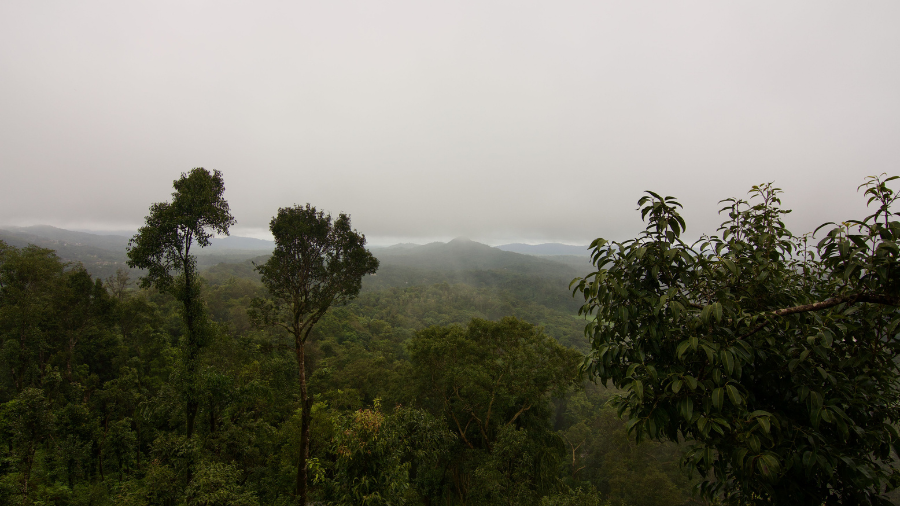
Every June, the same thing happens. My flight search pulls up Delhi to Leh at half the price of October. Meanwhile, the train to Goa shows three AC berths available in the first search. Similarly, my Coorg homestay host confirms my room without the usual “sorry, fully booked.” Indeed, monsoon travel India 2026 is the country’s best-kept worst-kept secret.
To begin with, the southwest monsoon arrived in Kerala on May 24, 2026 the earliest onset since 2009, according to the India Meteorological Department (IMD). Consequently, that matters for your plans because the monsoon is advancing fast and reaching most of South and Central India by mid-June. However, early arrival doesn’t mean heavier rain this time; in fact, IMD has forecast 2026 rainfall at 92% of the long-period average, the first below-normal forecast since 2023. As a result, for travellers, that’s excellent news. Specifically, expect fewer landslide closures, more predictable road conditions, and drier mornings in the hills.
And the prices? According to Wego’s India monsoon travel report, domestic flight fares drop 30–50% compared to peak winter pricing on popular routes. Hotel rates follow.
Where to Go for Monsoon Travel in India 2026
- Ladakh — sits in a rain-shadow zone. Clear skies, 12–22°C, and Pangong Lake during peak season. The entire Himalayas flood. Ladakh does not. June through September is peak Ladakh.
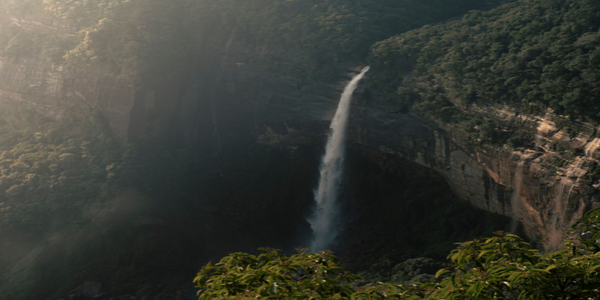
- Meghalaya — Cherrapunji and Mawsynram receive the world’s highest rainfall. This is not a bug; it’s the whole point. The living root bridges are only lush during monsoon.
- Kerala — the original Indian monsoon destination. Houseboat backwaters in the rain are borderline cinematic.
- Coorg, Karnataka — coffee estate stays, waterfall hikes, and prices at roughly 40% of the peak-season rate.
- Goa (early season) — empty beaches, the Sao Joao water festival in late June, and hotel discounts that make no logical sense against the view.
- Spiti Valley — another rain-shadow pocket in Himachal Pradesh, though approach roads from Manali are risky. Take the Shimla-Kinnaur route instead.
Ladakh: The Monsoon Loophole
This deserves its own section because people consistently get it wrong. Ladakh is not risky in monsoon. Ladakh is the answer to monsoon. Pangong Lake’s colours are most intense in July. Nubra Valley’s sand dunes sit under clear blue sky while Manali gets washed out. The roads from Leh into the valley open in late May and stay open through September.
The one thing you must not skip: acclimatisation. Leh sits at 3,500 metres. Spend 24–48 hours in Leh before heading anywhere higher. Altitude sickness doesn’t care about your itinerary.
Monsoon Travel Safety Tips for India
- Check IMD weather alerts daily for Western Ghats, Uttarakhand, and Himachal trips
- Carry waterproof bags for electronics; regular backpacks do not keep things dry
- Don’t attempt river rafting during red or orange weather alerts
- Indian Railways runs reliably through most monsoon conditions — consider trains for Mumbai-Goa and Delhi-Dehradun
- Build 1–2 buffer days into any Himalayan itinerary for potential road closures
Budget Breakdown
Most hill stations and monsoon destinations run at 30–50% below peak-season pricing between July and early September. A Coorg homestay that costs ₹5,000 a night in December often drops to ₹2,800 in July. The Goa villa that was booked solid in January has rooms.
For the complete Himalayan guide, see our Indian Himalayas 2026 Travel Tips: Why the World Is Suddenly Obsessed?