K-pop has never been purely Korean. Paradoxically, its extraordinary global success has sparked growing concerns that the industry may be becoming less Korean than ever before. From its early days, K-pop drew inspiration from Western pop, rock, and hip-hop, blending these influences with traditional Korean elements. However, as K-pop continues to gain worldwide popularity, fans argue that the genre’s essence is being lost. They worry that the global spotlight on K-pop is weighing heavily on Korean culture and creativity. The rise of English lyrics, Western collaborations, and international marketing threatens K-pop’s rich traditions.
History of K-Pop and Hallyu Wave
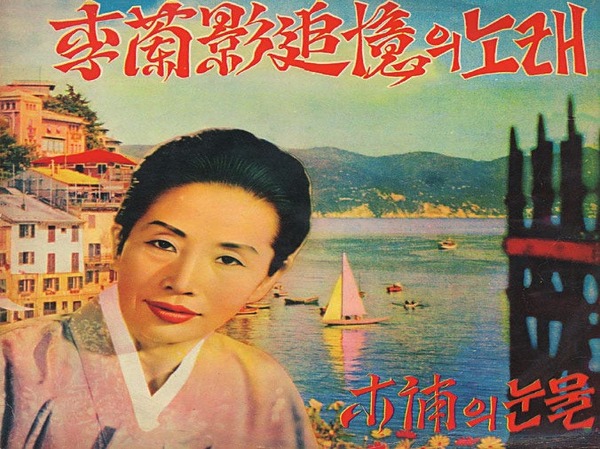
In April 1992, Seo Taiji and Boys performed “NaAn Arayo” (I Know) on South Korean television. Their music combined elements of American hip-hop, rap, dance music, and rock. The South Korean audiences were largely unfamiliar with these during the colonial phase. They enjoyed listening to Trot music influenced by Japanese enka and Western foxtrot rhythms, featuring slow melodies and soft vocals which evoked themes of love, nostalgia, and hardship.
However, Seo Taiji and Boys also borrowed global musical influences and adapted them to Korean social realities, language, and cultural sensibilities. This hybridization eventually laid the foundation for what would later become known as K-pop.
In the late 1990s and early 2000s, the South Korean government supported the export of popular culture as part of the Korean Wave, or Hallyu.
The Korean folk singer Haki Park attributes the success of K-pop culture to a cultural shift. Parents have come to recognize that no career is truly risk-free in South Korea. This realization holds even for those who pursue a traditional path often seen as a guarantee of immediate success, given the high level of competition. In the past, parents frowned upon music careers, but now they encourage their children to pursue them in a competitive environment. Haki noted, “Teenagers in Korea work so much, and the environment is so much more competitive than in the Western world.”
Has K-Pop Become Too Westernized?
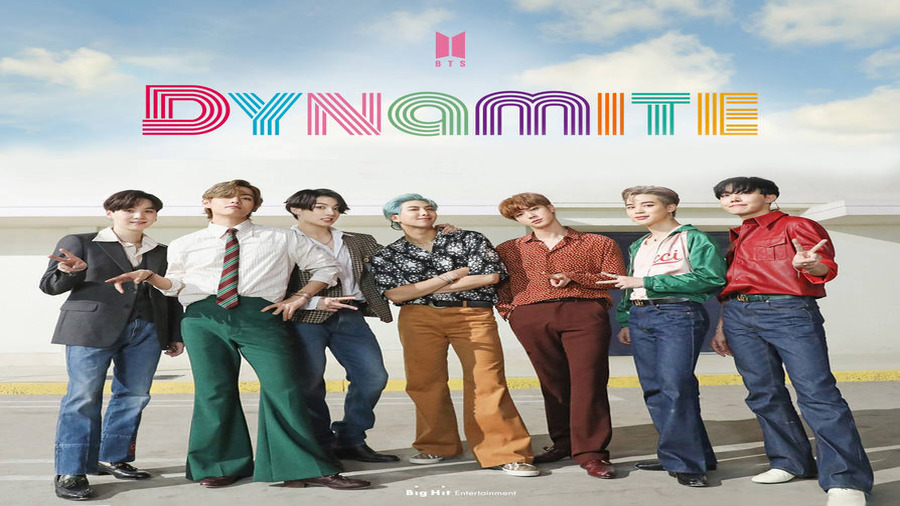
When BTS released Dynamite in 2020, it became one of their biggest global successes. They performed their first song entirely in English, rather than blending English with Korean lyrics. “Dynamite” generated approximately 1.7 trillion South Korean won ($1.43 billion). It was projected to create 7,928 jobs during the Coronavirus pandemic, aiding the struggling tourism sector.
Click here for the full song.
This raised an important question: Who is the audience now? Furthermore, it also probed something even more worrisome: the business behind the music. Korean bands and production companies began to prioritize international audiences to tap into a more profitable market than their own. Music was designed for platforms like TikTok than for artistic exploration. Income was primarily generated by fans eager to buy products and engage with the content. Decisions were based not on creativity or innovation, but rather on data, trends, and market analysis.
K-Pop’s Global Push Risks Relying on Western Approval

Collaborations between K-pop artists and Western celebrities have become a common strategy for expanding audience reach and gaining mainstream recognition. BTS collaborated with artists such as Halsey on “Boy With Luv”, Coldplay on “My Universe”, and Megan Thee Stallion on a remix of “Butter”, while BLACKPINK members have worked alongside stars like Selena Gomez, Lady Gaga, and Dua Lipa. These partnerships undoubtedly introduce K-pop to new listeners. Still, they also raise questions about whether the industry increasingly seeks validation from Western markets rather than retaining its own authentic musical identity.
Typa girl that doesn’t ask for what she wants, she’s takin’ out
Typa girl who got bag in same quality as Chanel’…
Click here to listen to BLACKPINK’s song “Typa Girl,” in which the star Jennie sings these lyrics to promote Chanel.
Commercial branding further illustrates K-pop’s integration into global consumer culture. Today, idols are not merely musicians but highly marketable lifestyle icons. BLACKPINK’s Jennie serves as a global ambassador for Chanel, BTS members have represented luxury brands such as Louis Vuitton, while artists like Jimin, V, and Lisa endorse Dior, Celine, Ferrari, and Bulgari.
These partnerships boost the global recognition of both K-pop idols and brands, blending artistic expression with advertising. K-pop is now more than just music. It’s a carefully managed luxury world where an idol’s brand connections are as vital as their music.
Problematic Language Choices For Songs
Language choices in contemporary K-pop have similarly become sites of debate. Many songs heavily incorporate African American Vernacular English (AAVE), internet slang, and colloquial expressions borrowed from Western social media culture.
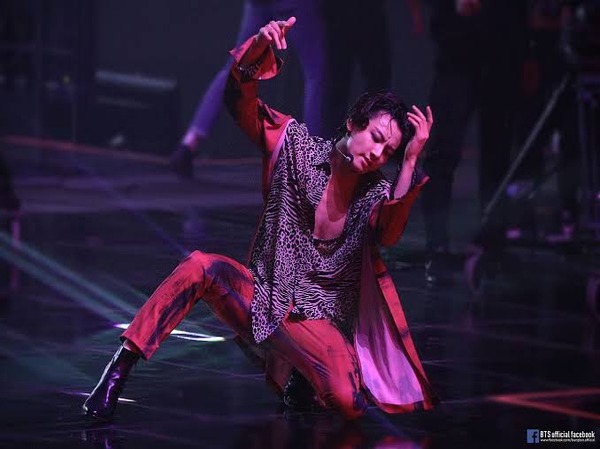
Click here to watch Jungkook perform “My Time” live, where he confidently sings, “…Can I someday finally find my time?” with a mixed African American accent.
The origins of African American Vernacular English (AAVE) can be traced back over four hundred years to the era of slavery, when enslaved Africans blended their native West African languages with the English dialects spoken by European colonists and bound labourers.
Critics argue that such usage can feel performative, reducing years of history and resilience to mere aesthetics. In some cases, outdated internet expressions and recycled slang make lyrics sound less authentic and more like attempts to replicate previous successful Hollywood trends.
K-Pop: A Cultural Phenomenon or a Tool for Political Control?
Entertainment is an effective way to influence the economies and sentiments of foreign nations, encouraging them to buy and favour Korean products and ideas. The Korean government provides support for K-pop to promote it internationally. Thus, the Korean Wave is carefully developed, analysed, and monitored. The website Korea Foundation for International Culture Exchange focuses on this initiative. Through entertainment, Korea seeks to positively influence the economies and perceptions of other countries toward its products and ideas.
K-pop has also gradually evolved into a powerful instrument of South Korean soft power. International audiences were introduced not only to Korean music but also to Korean cuisine, fashion, beauty standards, language, and social values. For many global fans, K-pop was their first exposure to Korean culture. Thus, the real challenge lies in maintaining key aspects of Korean culture while expanding internationally. As K-pop continues to rise on worldwide charts, striking a balance between authenticity and globalisation will be crucial to its future. In conclusion, the ongoing evolution of K-pop highlights its ability to adapt and grow, ensuring its place in the global music scene while staying true to its roots.
Follow The World Times for more such updates.