
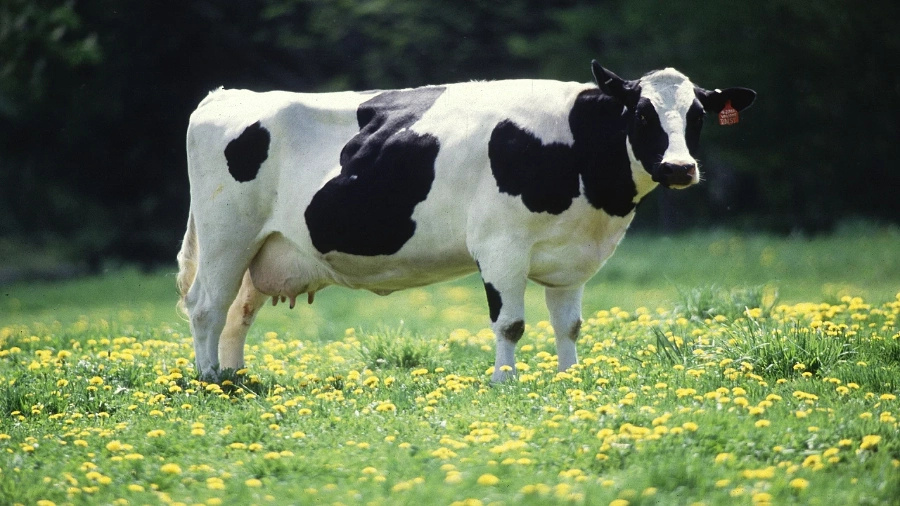
Where does milk come from? This question may seem simple, but it has a complex answer. Many of us even do not try to find answers to this question.
Where Does Milk Come From in Dairy Farming?
Where does milk come from on modern farms? It comes from cows only after they give birth. Cows do not produce milk all the time. Therefore, farmers must make the cow pregnant, usually through artificial insemination. The cow stays pregnant for about nine months. After that, she gives birth to a calf. Then, her body starts producing milk. Farmers collect it every day. So, your milk depends on this cycle.
Cows During Lactation
What happens after a cow gives birth? Following calving, a cow begins producing milk to nourish her calf. In dairy farming, this production period usually lasts between 8 and 10 months and is known as the lactation period. During this time, farmers collect the milk two to three times a day, depending on the animal’s health, breed, and farm practices.
After lactation ends, the cow enters a dry period that typically lasts around two months. Farmers stop milking her during this stage, allowing her body to rest, regain nutrients, and prepare for the next calf. Proper care during this phase is important for maintaining the cow’s health and future productivity.
A dairy cow can become pregnant several times in her life, usually around three to five times under commercial farming conditions. Much of the dairy consumed by humans comes from this repeated cycle of pregnancy, lactation, and recovery.
Where Does Milk Come From? Understanding the Benefits and Challenges
The question of where milk comes from also raises important issues. On one hand, the dairy system ensures a steady supply, keeps dairy products affordable for consumers, and supports the livelihoods of farmers. Additionally, it provides valuable nutrients such as calcium and protein.
On the other hand, concerns remain. Repeated pregnancies can affect the health and well-being of cows, while the early separation of calves from their mothers raises ethical questions. Furthermore, dairy farming requires significant amounts of water and land, contributing to environmental concerns. These issues have led to ongoing debates about the sustainability and ethics of the dairy industry.
Therefore, the answer is not as simple as it may seem. Milk comes from a carefully managed system of reproduction and production. The next time you drink a glass of milk, it may be worth reflecting on where it comes from and the processes involved in bringing it to your table.
Follow The World Times for more such updates.


Loved how you explained the topic in such a simple and engaging way.
Thank you! That was exactly what I aimed for, glad it came across that way.