I booked my flight to Alicante on a Tuesday at 11pm, half-asleep, after watching my third Instagram reel of someone eating paella on a rooftop overlooking a castle. Zero regrets. If you’ve been staring at the same four walls wondering where Europe’s best summer is hiding right now, let me save you the doom-scrolling. Let me introduce you to the best Summer escape European destinations in 2026!
TripAdvisor’s Summer Travel Index 2026 has already done the math, crunching year-on-year booking growth from June to August to figure out exactly where people are heading. Some of these are familiar names. Others? You’ll want to book before they hit peak Instagrammability and ruin everything.
Here are the 10 European destinations that are genuinely having their moment this summer.
What are the best European destinations for summer 2026?
- Alicante, Spain
- Alvor, Portugal
- Ksamil, Albania
- Rhodes, Greece
- Paros & Milos, Greece
- Sardinia, Italy
- Dubrovnik & Montenegro, Croatia/Montenegro
- Budapest, Hungary
- Krakow, Poland
- Valencia, Spain
1. Alicante, Spain (The European Destination That Beat Everyone!)
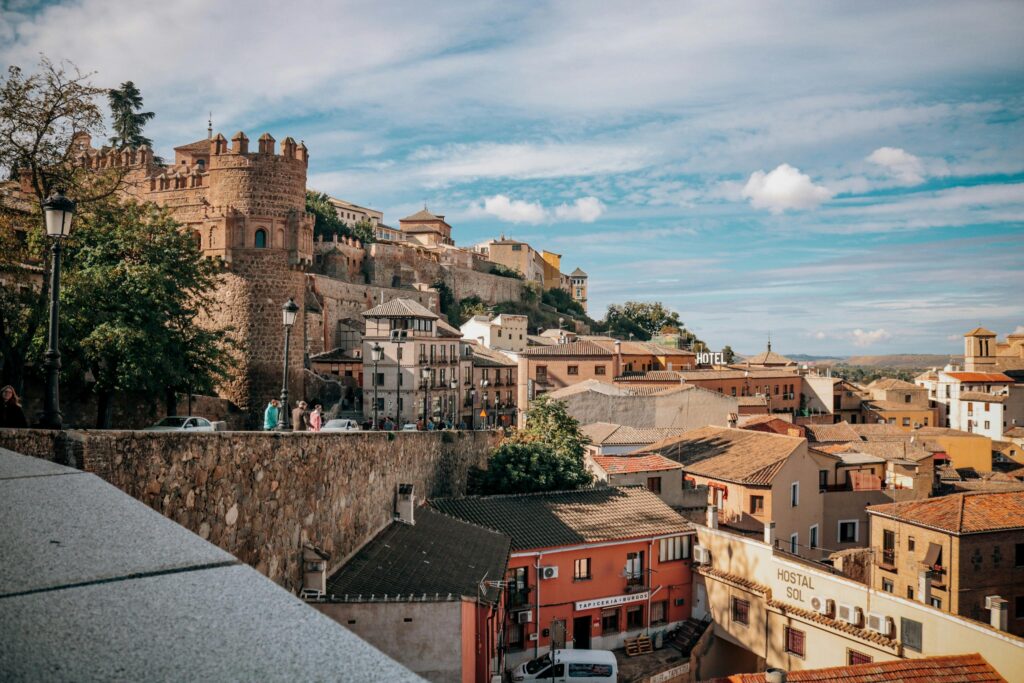
Can a city actually be underrated and also the most-searched destination in Europe? Surprisingly, Alicante is somehow both.
The Spanish port city welcomed a record-breaking 1.7 million international visitors last year. In addition, it tops TripAdvisor’s European trending list this summer. Spain even named it its Capital of Gastronomy in 2025. To justify that title, the city boasts around 1,700 restaurants. That is not a typo. Consequently, this growth is remarkable for a city most Europeans were mispronouncing just five years ago.
To start your day, spend a morning at the hilltop Santa Bárbara Castle. From there, you can watch the Mediterranean glitter below. Afterward, take a 20-minute boat ride to Tabarca Island. This destination is a tiny, traffic-free archipelago. In fact, the water is so clear you will think your eyes are broken. Later, when evening comes, head to El Barrio Santa Cruz. Its mosaic-tiled lanes are absolutely made for getting lost in.
As a budget tip, Alicante’s big draw is its affordability compared to Barcelona or Mallorca. Furthermore, it has become genuinely popular with digital nomads. For instance, a mid-range hotel runs just €80-120 a night in the summer.
2. Alvor, Portugal
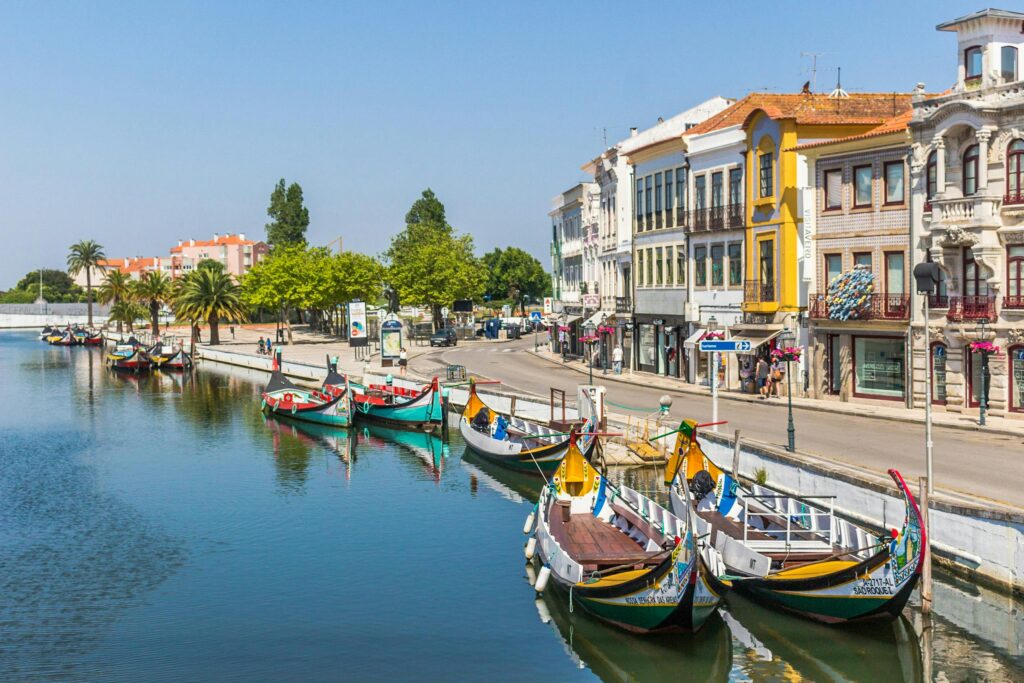
Here is the thing about Alvor: it lies just two hours from Lisbon, yet it feels like it exists in a different century. This traditional fishing village, defined by whitewashed houses and cobbled streets, recently captured second place on TripAdvisor’s 2026 European rankings. Consequently, stunning beaches like Praia dos Três Irmãos are drawing more and more visitors every day.
Yet, despite this sudden influx of global attention, Alvor fiercely guards its slow-paced, authentic charm. For instance, as evening falls, the scent of fresh, charcoal-grilled sardines wafts from open-air taverns along the harbor. Meanwhile, local fishermen still tend to their nets just a stone’s throw from lively boardwalk bars.
Ultimately, this effortless blend of rustic heritage and breathtaking natural beauty prevents the village from turning into a generic resort town. Instead, it offers travelers a rare, sun-drenched sanctuary where time genuinely seems to slow down.
In short, go for the seafood, but stay for the slow mornings. While the Algarve is changing fast, Alvor remains the exact version you will want to tell your friends about first.
3. Ksamil, Albania (European Destination and its Best-Kept Secret)
Maldives-blue water. €8 fresh fish lunch. Zero queues. This is Ksamil.
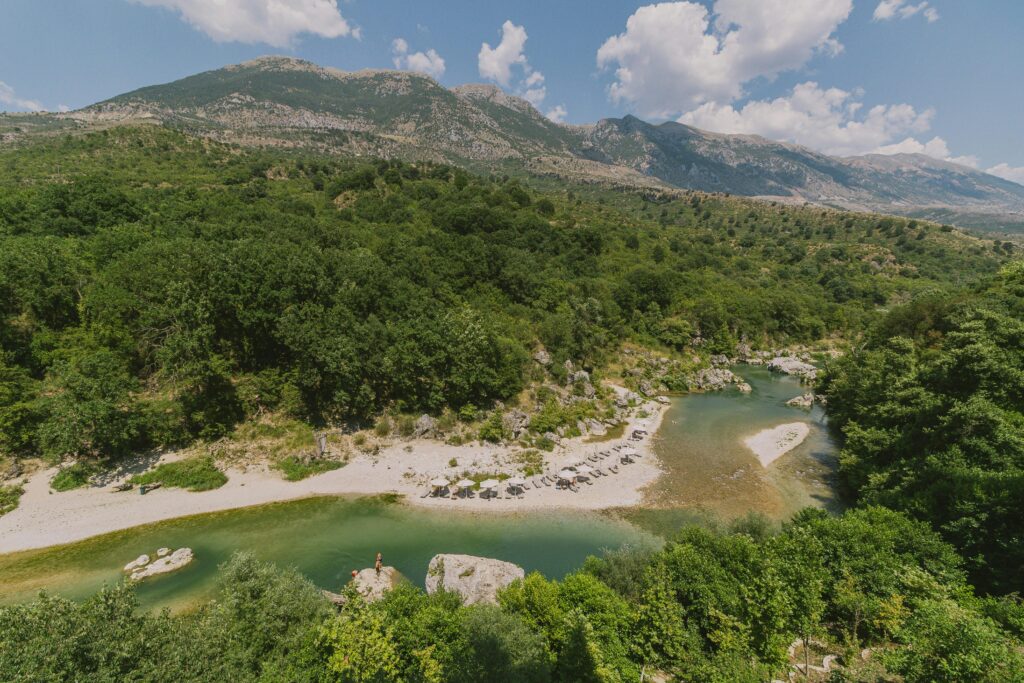
Albania is regularly appearing in Europe’s trending travel rankings alongside more familiar names, and Ksamil serves as the poster child for why. In fact, it mirrors what the Croatian coast was fifteen years ago, before everyone with a DSLR found it. The water boasts an absurdly turquoise hue, the vibe remains completely relaxed, and the prices definitely won’t make you cry.
Geographically, the village sits just 15 kilometers south of the port city of Sarandë. Because of this prime location, it also serves as the main gateway to Butrint National Park, a UNESCO World Heritage Site located less than 5 kilometers away.
This 94-square-kilometer protected area surrounds the ancient city of Butrint. Today, the park preserves 2,500 years of Greek, Roman, Byzantine, and Venetian ruins. Visitors can explore remarkable sites, including a 3rd-century BC theatre and one of the largest early Christian baptistery mosaics in the Mediterranean.
Meanwhile, private sunbeds heavily crowd Ksamil’s main beaches. However, travelers can easily reach the destination’s famous four uninhabited islands just 50 to 200 meters offshore. A short swim, kayak, or pedal boat ride will take you straight to them.
As a final travel tip, fly into Corfu (Greece) and take a short ferry. This route saves you money and offers a much more scenic journey than flying direct.
4. Rhodes, Greece
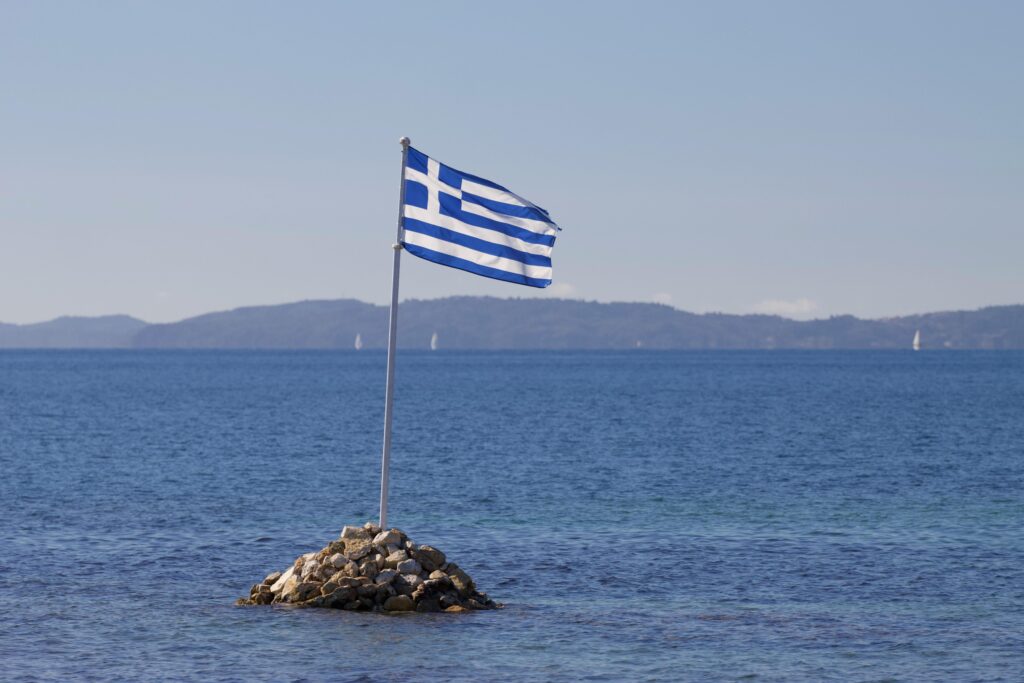
Rhodes doesn’t need to hustle. It’s been beautiful for thousands of years and isn’t about to stop. In fact, it consistently features in Europe’s most popular summer destination rankings, and the Old Town, a UNESCO World Heritage Site, boasts medieval walls that you can walk on top of.
At the heart of the island’s history, the fortified perimeter of the Old Town spans roughly 4 kilometers, featuring a massive defensive system engineered primarily by the Knights of St. John between 1309 and 1523. Enclosing an area of about 66 hectares, these stone walls, bastions, and deep dry moats successfully withstood major Ottoman sieges before finally falling to Suleiman the Magnificent in 1522.
Today, the site stands as one of the longest-inhabited medieval cities in Europe, home to more than 6,000 residents who live alongside historic landmarks like the 14th-century Palace of the Grand Master and the meticulously preserved Street of the Knights.
Once you’ve explored the Old Town, hire a scooter on day two. Then, get lost in the villages. After that, eat octopus at a harbour taverna. Sometimes, travel clichés exist because they’re perfect.
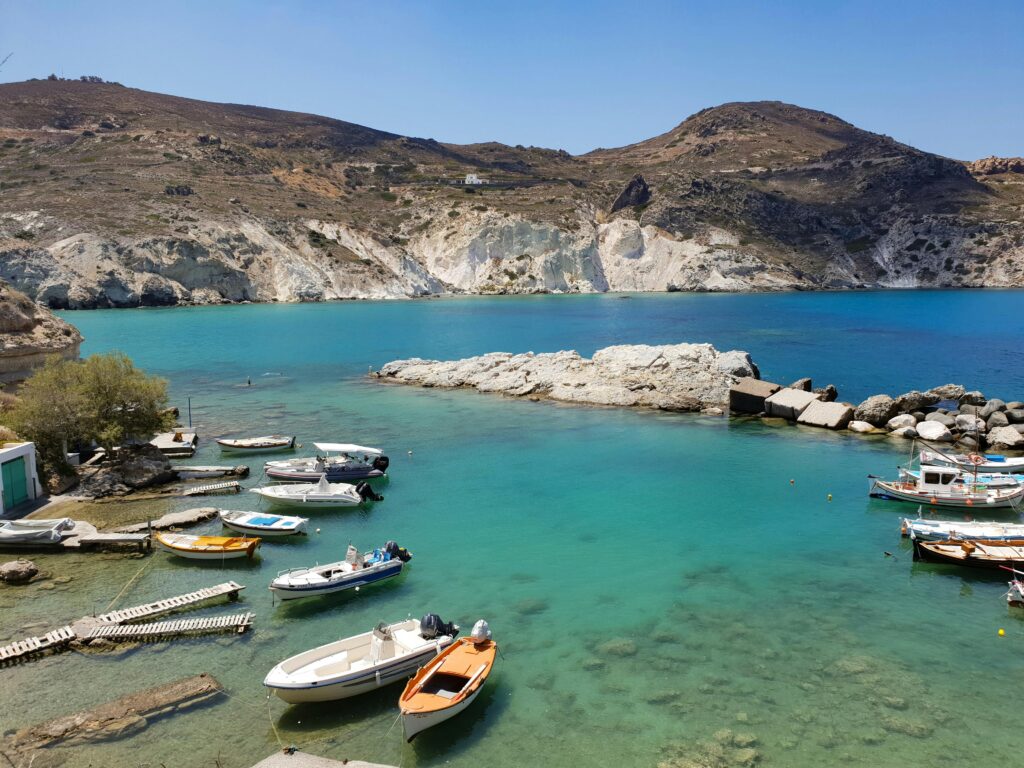
5. Paros & Milos, Greece
6. Sardinia, Italy
7. Dubrovnik + Montenegro
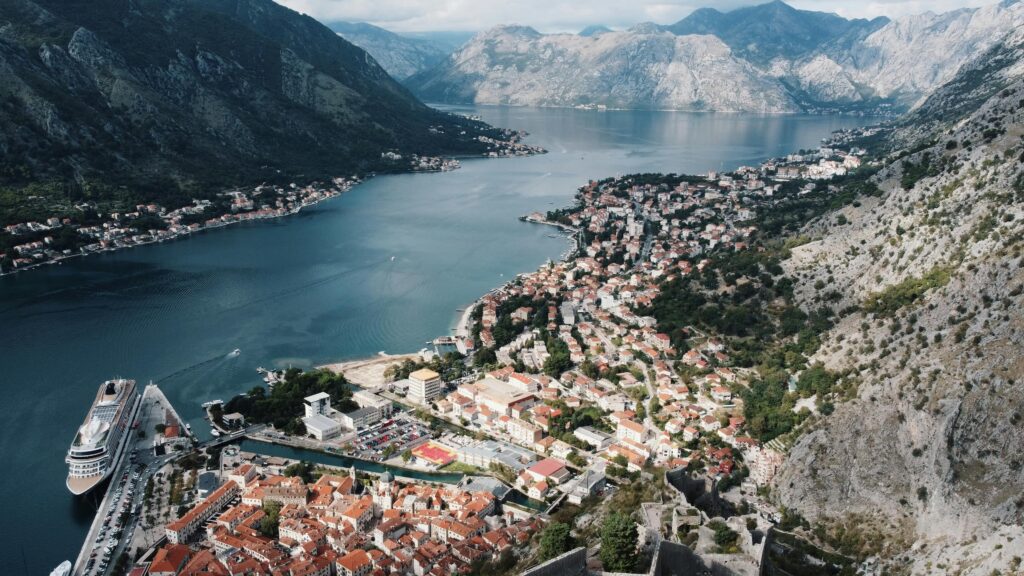
Dubrovnik is spectacular, and you know it. However, here’s the smarter play: Montenegro, just across the border, has beautiful fjord-like bays where mountains descend straight to the water, and you can explore multiple highlights—Kotor’s Old Town, Perast, and Tivat—in just two days as a side trip from Dubrovnik.
What makes this region so extraordinary is its geography. This dramatic landscape, often called Europe’s southernmost fjord, is actually a ria—a submerged river canyon carved by ancient geological processes where the Adriatic Sea snakes deep inland. Along the way, navigating this bay rewards travelers with seamless transitions between distinct eras: from the Venetian-era stone palaces of Perast, where you can take a quick boat ride to the iconic islet of Our Lady of the Rocks, to the ultra-modern superyacht marina of Porto Montenegro in Tivat.
Meanwhile, the entire region is framed by the limestone cliffs of the Lovćen mountain range. As a result, whether you’re sipping espresso at a waterfront café or hiking the 1,350 steps up to Kotor’s San Giovanni Fortress, you’re constantly surrounded by a vertical world where centuries of maritime history meet untouched natural grandeur.
In many ways, it’s what Croatia looked like before the Game of Thrones crowd arrived. And, if you need one final reason to go, Kotor alone—with its medieval walls climbing a sheer cliff face at sunset—is worth the entire trip.
8. Budapest, Hungary
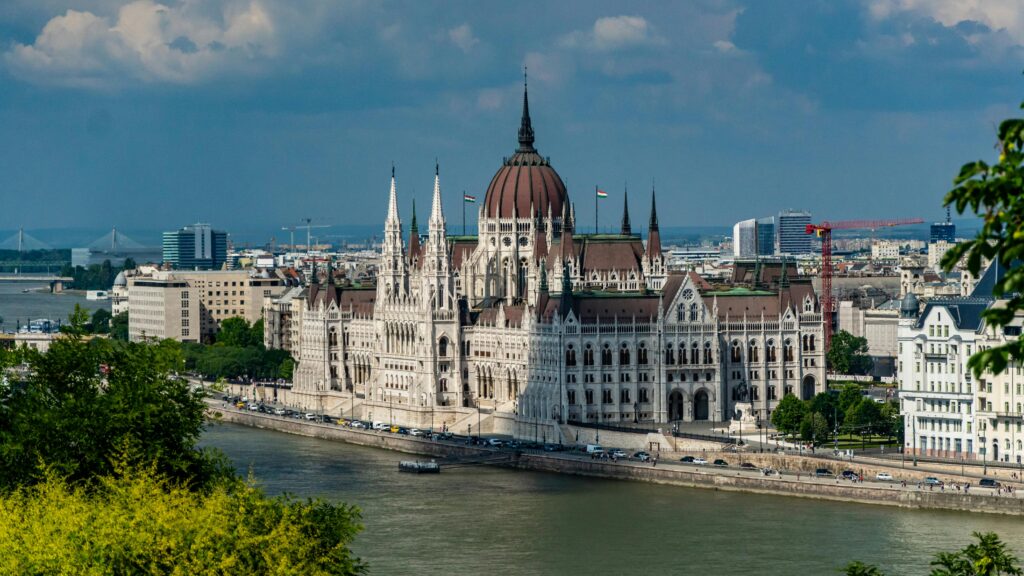
Go in June before the stag-do crowd peaks. Thank me later.
9. Krakow, Poland (European Destination as a Underrated Culture Capital)
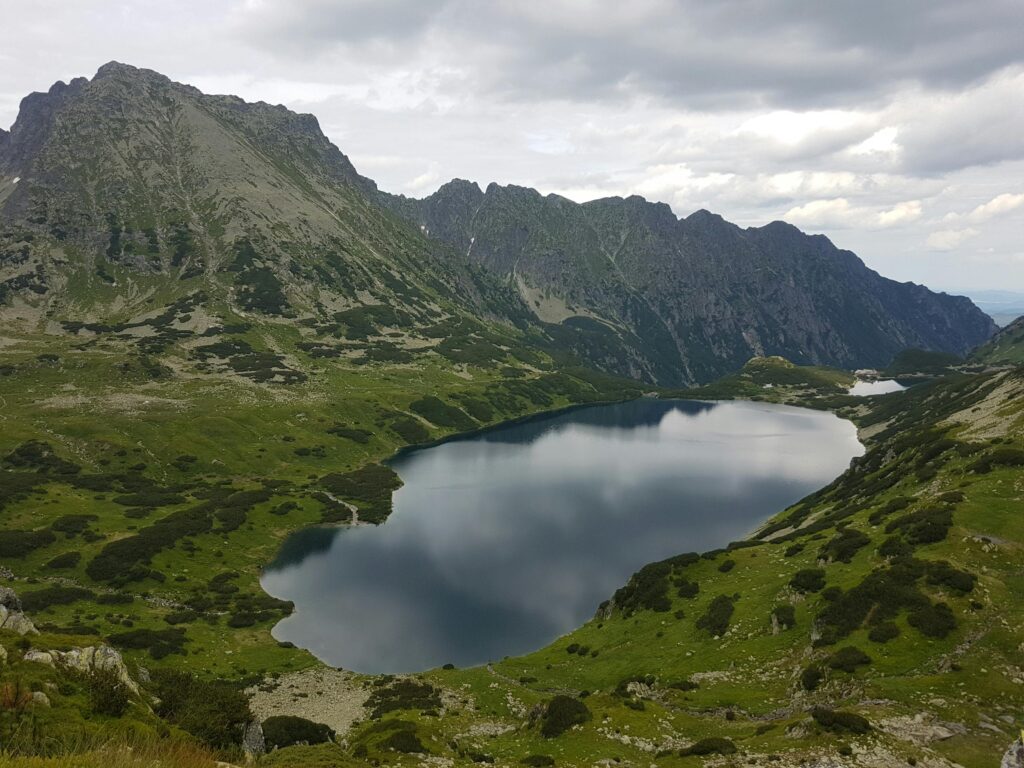
Warsaw gets the political headlines. Krakow gets the soul. It’s emerging as one of the trending European destinations for summer 2026, and the Old Town square, Wawel Castle, and the haunting Schindler’s Factory museum make for one of the most layered cultural trips you can do on a tight budget.
The fact that Kraków’s architectural soul remains completely intact is a stroke of historical fortune. Unlike Warsaw, which was almost entirely leveled during World War II, Kraków’s historic core survived the war largely undamaged, allowing its massive, 4-hectare Main Market Square (Rynek Główny) to retain the exact urban grid layout it was given in 1257.
Standing at the center of this vast space is the Renaissance-era Sukiennice (Cloth Hall), which functions alongside the striking Gothic towers of St. Mary’s Basilica.
Just a short walk away, perched on a limestone outcrop overlooking the Vistula River, sits Wawel Royal Castle—an architectural timeline that blends Romanesque foundations, Gothic vaults, and a sweeping 16th-century Italianate Renaissance courtyard.
This remarkable preservation, which earned the entire historic center a spot on UNESCO’s very first World Heritage list in 1978, creates a rare destination where you aren’t looking at a reconstructed past, but walking directly through it.
Budget tip: A good meal in Krakow costs what a coffee costs in Paris. Seriously.
10. Valencia, Spain
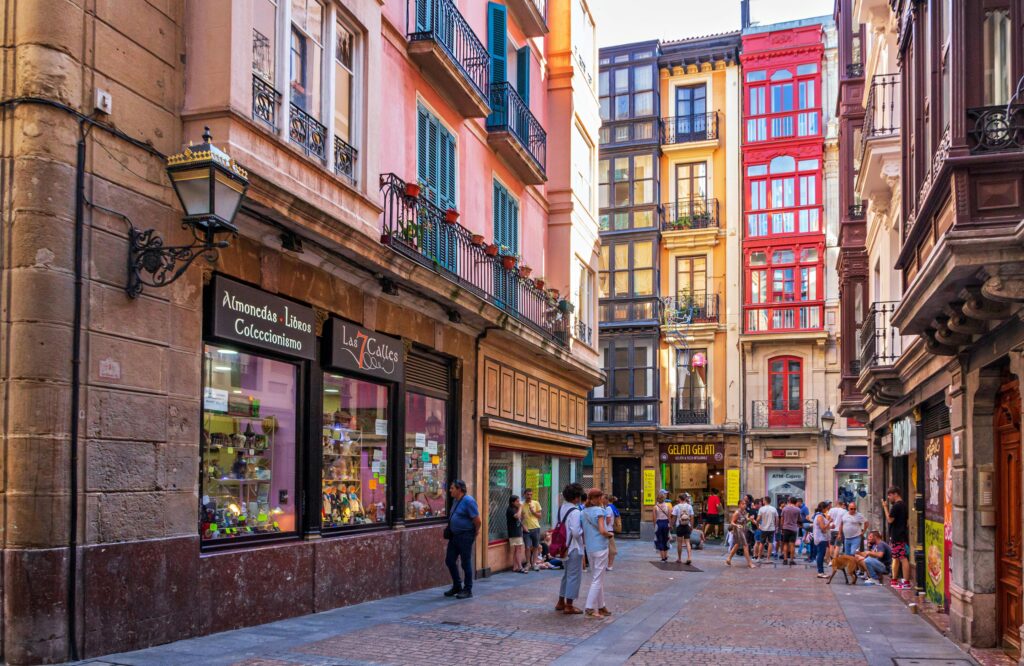
Valencia stands out for its ability to package multiple experiences into one trip: tiled markets, avant-garde museums, beach clubs reachable by tram, and a reputation for sustainable urban design. It’s been on every “up-and-coming” list for five years, which means it’s officially past that phase and simply excellent now.
This culinary pride is mirrored in the city’s architectural landscape, which effortlessly bridges centuries of design. Just a short distance from the labyrinthine streets of the medieval El Carmen neighborhood sits the futuristic City of Arts and Sciences (Ciudad de las Artes y las Ciencias), a striking, white-concrete cultural complex designed by Santiago Calatrava that looks like it landed from another planet.
The entire city is bound together by the Turia Gardens, a lush, 9-kilometer urban park created out of a diverted riverbed that serves as the green spine of the city and a prime example of why Valencia was crowned Europe’s Green Capital.
Seamless integration of forward-thinking sustainability, historic coastal charm, and deep-rooted gastronomic tradition makes it an urban escape that doesn’t just promise the best of Spain—it delivers it.
The paella here is the original, historically documented, not-to-be-argued-with version. If you eat paella anywhere else in Spain and claim it was better, we can’t be friends.
Quick-Reference Summer 2026 Budget Tiers
Budget (under €80/day): Ksamil, Krakow, Budapest Mid-range (€80-150/day): Alicante, Alvor, Valencia Splurge (€150+/day): Sardinia, Dubrovnik, Milos, Rhodes
Bullet Itinerary: 10-Day Europe Hop for Summer 2026
- Days 1-3: Alicante: castle, Tabarca Island day trip, tapas crawl
- Days 4-5: Valencia: Mercado Central, City of Arts, beach
- Days 6-7: Dubrovnik: walls, cable car, Old Town
- Day 8 (bonus): Kotor, Montenegro: day trip or overnight
- Days 9-10: Budapest: thermal baths, ruin bars, Danube views
Have you been to any of these already? Drop your hot takes in the comments, especially if you’ve cracked the Ksamil code before it goes viral.
Stay tuned with The World Times for more updates!