Vinyl
Today, vintage and nostalgia are the new aesthetic and the new trend. People are obsessed with the past and are trying to find ways to connect to that era. With trends such as digital cameras, wide-leg jeans, scrunchies, and flannel patterns, vinyl has also made a comeback that has truly stood out.
The earliest vinyl record is believed to have been produced by Emile Berliner in 1889. Over the years, vinyl records became the dominant music format. After it was first popularised, the introduction and sales of CDs in the 1980s began to affect its overall record sales. However, CDs lacked the warmth and analog sound that vinyl provided. This is one of the reasons why vinyl started to return in the early 2000s.
Why Has Vinyl Refused To Fade?
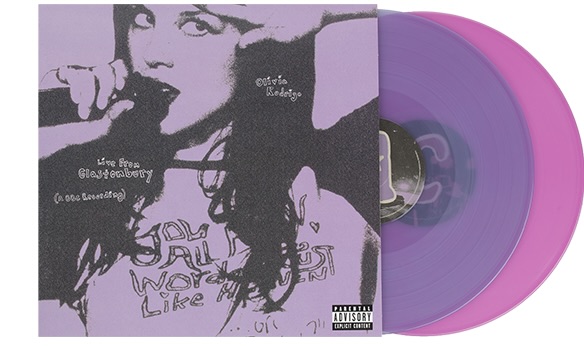
Courtesy- store.oliviarodrigo.com
Vinyl has turned out to be a format that has refused to fade. Even with CDs and streaming platforms such as Spotify and Apple Music, vinyl sales have been steadily rising.
Vinyl provides a feeling of nostalgia that digital music lacks. Its warmth and analog tone capture more subtleties and nuances than digital formats. It has a physical presence and acts as a collectible for fans.
Artists such as Olivia Rodrigo and Taylor Swift offer multiple vinyl variants that sometimes include bonus tracks not present on streaming platforms.
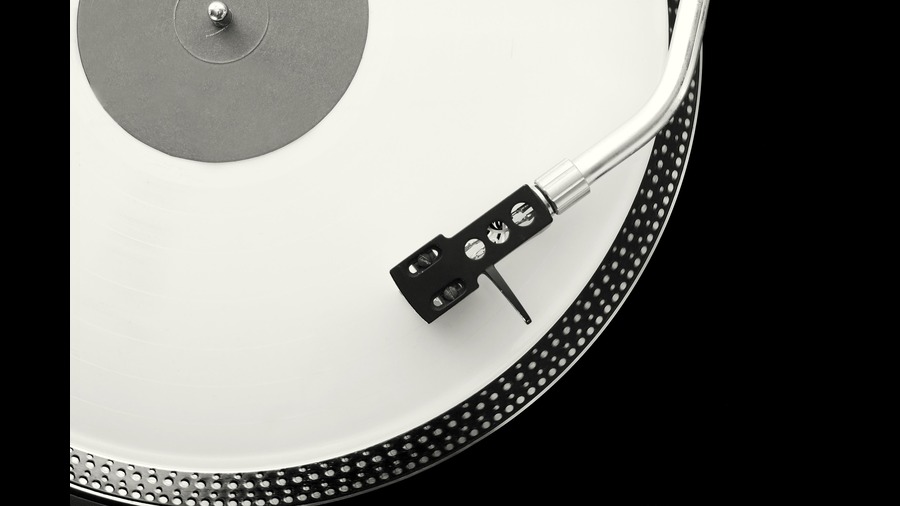
Vinyl encourages listening rather than just playing music. It demands presence. The whole process taking the vinyl out, placing it on the record player, and then playing it makes you connect to the music more. The faint crackle before it starts, the tiny surface noises, and its physicality feel more human, and therefore more connected to the music.
How Has Vinyl Revived Art?
Vinyl has made albums feel like art again. Streaming has changed the way artists release music. Songs are shorter. Attention spans have shrunk due to reels and short videos, and singles dominate the industry. In this era, vinyl acts as a way to bring back the album as a complete body of work to listen from the first to the last track and experience the magic of the music and the story it is trying to tell.
Vinyl is more than a trend; it is nostalgia. Vinyl is nostalgic even for those who never lived through its original era. Today, Gen Z is among the many buyers. They were not there when it was mainstream. Their appreciation is borrowed from the stories they have heard, the aesthetics they have seen in movies, or a tradition they have borrowed from their parents and grandparents. It also comes from their desire to reconnect with the past and relive it through physical objects.
Vinyl is bigger than just the format itself. Trends come and go, but vinyl’s comeback has lasted long enough to prove that it is more. It reminds us that music is not just content it is an experience. It grounds us, and in this digital era, being grounded is exactly what many listeners are searching for.
For more updates, Follow The World Times.