
Bollywood has given us timeless music. Every song and every lyric carries meaning wrapped in layers of depth and reflection. Often, behind the melody lies a hidden story, a folktale, or symbolism that enriches the song far beyond what we hear on the surface.
Let’s dive into two lyrical masterpieces: “Katiya Karun” and “Bulleya.”
Rockstar — “Katiya Karun”

Most of us have heard this song countless times. It has been used in weddings, dance performances, travel videos, and even in fun social media reels. But how many of us truly understand the deeper meaning behind the phrase “Katiya Karun”?
Written by Irshad Kamil and inspired by Punjabi folk traditions, the song is a metaphor for longing, yearning, and devotional love.
The phrase “Katiya Karun” literally translates to “I will spin cotton.” Traditionally, spinning cotton was an activity women often engaged in while waiting for their loved ones to return home. Over time, the act came to symbolize patience, hope, and quiet dedication.
The song beautifully captures the emotions of waiting—the willingness to wait endlessly for a beloved, just for the chance to spend a night together. It reflects a form of love that does not demand attention but silently fills the soul.
In this context, the act of spinning cotton becomes symbolic of emotional labor, devotion, and the gentle ache of separation.
Sultan — “Bulleya”
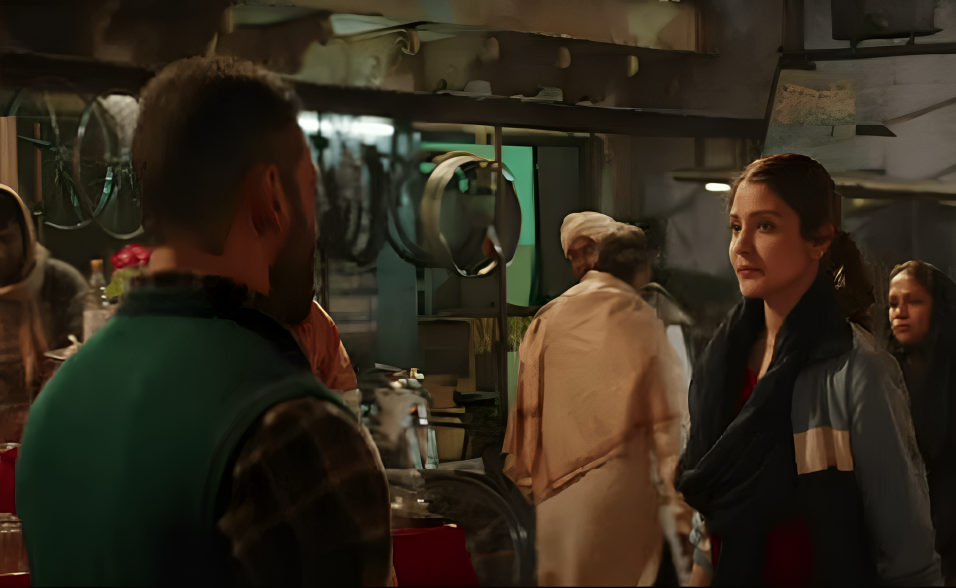
The song “Bulleya” draws inspiration from the teachings of the 17th-century Punjabi Sufi philosopher Bulleh Shah.
According to popular accounts from his life, there was a time when Bulleh Shah distanced himself from his spiritual teacher, Shah Inayat Qadiri. His teacher belonged to a lower caste, while Bulleh Shah was born into a Syed family, considered socially superior. Under pressure from family and societal expectations, he was persuaded to leave his murshid and study under someone deemed more “appropriate” by social standards.
As he departed, his teacher reportedly said:
“Tu Bulleya nahi, tu bhuleya hai.”
Meaning: “You are not Bulleya anymore; you are bhuleya, someone who is lost.”
Over time, Bulleh Shah realized the depth of his mistake. Despite the disapproval of his family, he chose to return to his murshid. His decision came at a cost, he was distanced from his family, denied inheritance, and cut off financially. Yet he still chose the path of devotion.
This sentiment echoes in the lyrics:
“Tu bole toh ban jaaun main Bulleh Shah saudayi.”
The line suggests a willingness to become like Bulleh Shah, someone ready to give up everything in the name of devotion.
However, the story did not end there. When Bulleh Shah returned, his teacher initially refused to forgive him or accept him back as a disciple. Despite repeated pleas, the murshid remained firm.
To demonstrate the sincerity of his devotion and his rejection of caste hierarchy, Bulleh Shah began dancing publicly. At that time, dancing was considered a low-status occupation and was often associated with immorality. Yet he chose to dance openly. He even danced alongside transgender performers, who were marginalized and treated as untouchables in that era.
Through this act, Bulleh Shah showed that he had renounced all notions of social superiority.
After twelve hours of continuous dancing, his murshid finally forgave him and accepted him once again as his disciple.
With this context, the lyric gains deeper meaning:
“Main bhi naachun rijhaun sone yaar ko, karun na parwah Bulleya.”
It translates to:
“I too shall dance to please my beautiful beloved, without caring about the world, just like Bulleya.”
The song is filled with poetic and folk references. It beautifully illustrates the purest form of love, i.e, devotion. It shows how deeply a lyricist and composer can think while crafting metaphors rooted in history and spirituality. It is not just a romantic song, it is about surrender, devotion and to choose love and truth over societal norms and validation.
For more such content, follow The World Times.