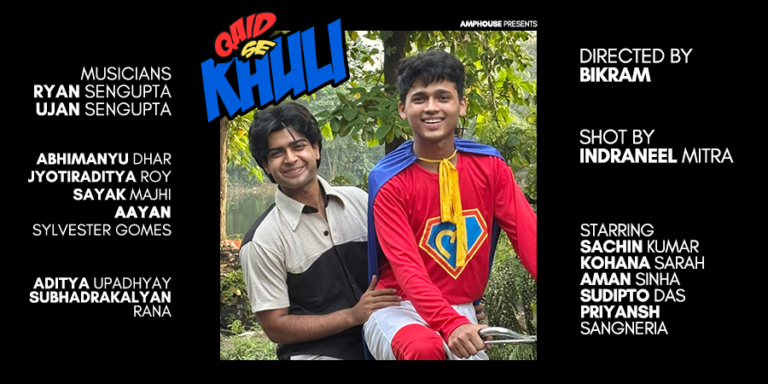
Indian queer cinema often tells stories shaped by hesitation, uncertainty, and the fear of rejection. Bringing these experiences to the screen is not easy. Filmmakers must capture vulnerability, challenge social norms, and turn deeply personal emotions into compelling stories. When done thoughtfully, the result can be powerful. One aspect that stands out in these films is the way stigma shapes intimacy.
Many stories move from loneliness and isolation to companionship and connection. Some lead to belonging and comfort, while others leave their characters searching for more. Each journey unfolds differently. Further, in many indian queer films, intimacy does not arrive through grand declarations. Instead, it appears in quiet pauses, unfinished conversations, hidden spaces, and relationships that resist labels. These subtle moments often reveal the deepest emotions.
Here are some indian queer films that capture connection and stigma with honesty, presenting relationships that feel real rather than manufactured.
Cactus Pears (2025): Indian Queer Intimacy Through Silence and Longing
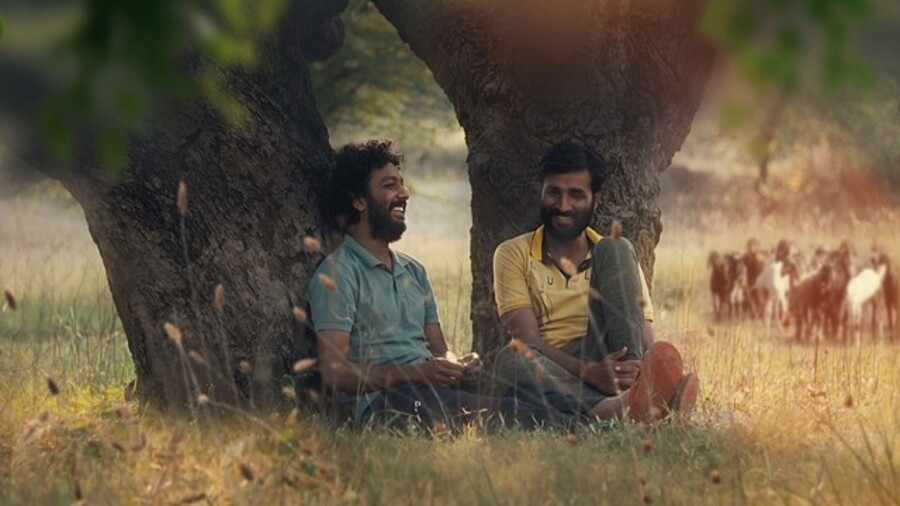
Directed by Prashuram Kanawade, Cactus Pears (translation for “Sabar Bonda”) is a Marathi-language regional queer movie. The film starts with Anand (Bhushaan Manoj), residing in Mumbai, who comes to his village for the completion of the 10-day ritual for his father’s death. There, he meets Balya (Suraaj Suman), and their relationship deepens from nostalgia to mutual connection, slowly turning their hide-outs into an escape from family and the pressure of marriage. Their intimacy can be seen in the time they shared, the trust and security they found within each other.
It wasn’t strong physical tension that made their love feel natural, it was the awkwardness, hesitation, from the initiative of an ice-break to silence between short conversations and acceptance of each other’s vulnerabilities in the worst of the times. There were pauses and still frames that made emotional hesitation feel palpable. In the end, Anand’s mother, who is aware of their relationship, lets them live in their house in Mumbai alone for the time she stays in the village. The shot shows them looking at each other, maybe the feeling of “home” that they found in each other, making that brief moment their emotional permanence.
Safed (2023) : Finding Dignity Through Acceptance

Directed by Sandeep Singh, Safed portrays an intense clash between the two sociological concepts and institutions – Transgender and Widowhood. The film shows Chaandi (Abhay Verma), a transperson, who works as a prostitute. Given the discrimination and stigma he already faces, in addition to his work, makes his situation miserable, depriving him of his right to respect and dignity by society. On the other hand is Kaali (Meera Chopra), who becomes a widow on the day of her marriage, shattering her dreams of marital life, fettered into the ritual of sacrifice and renunciation.
She meets Chaandi, who changes his name to “Chaand” to disguise his identity. Chaandi, longing for self-respect and dignity, was considered a human, instead of a subject, for the first time. While for Kaali, Chaand ignited the lost desires in her heart. For them, love and intimacy were expressed by the distance they maintained, even when Kaali initiated a relationship with Chaand, and also by the respect they gave each other. They provided each other with lost dignity and solace. The film beautifully depicts the stigma and difficulties both characters go through, where they are stuck between the rules made by society and their own desires. For them, “forever” was Kaali’s acceptance of Chaandi and their death.
Koi Naam Na Do (2026): When Friendship Feels Like More

Koi Naam Na Do is an Indian BL series, available on the YouTube channel The Last Leaf. The story revolves around Kavith (Saahil Uppal), a gay man, who meets Anshul (Aaryan Dhawan), a straight guy, on a train journey. One event leads to another, and they decide to live together on rent as PG tenants. Kavith, who recently got dumped, is trying to move on.
Anshul’s kind and gentle nature draws Kavith toward him, and he gradually develops feelings for him. However, Anshul, who identifies as straight, cannot return those feelings in the same way. As a result, their relationship resists easy definition. Kavith wants more than Anshul can offer, creating an emotional imbalance between them. Yet companionship remains the foundation of their bond.
Their connection does not fit neatly into any label. Instead, they create a space where both of them feel safe, understood, and comfortable. The relationship is not overly complicated; it simply exists in its own form. However, Kavith’s genuine love for Anshul leaves him caught between his romantic feelings and the friendship Anshul offers, a tension that keeps viewers invested and eager for a second season.
Sisak (2017): A Love Story Told Through Silence
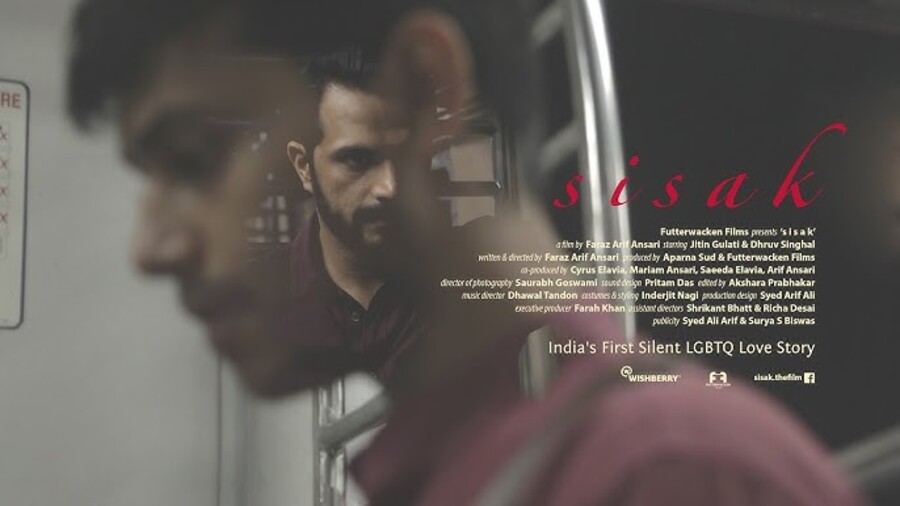
Directed by Faraz Asif Ansari, Sisak is a silent short film portraying a love story of two individuals who met by chance on a Mumbai local. Their attraction sparked with the meeting of eyes. The film is packed with a silent connection and intimacy that they shared through each other’s warmth. The close shot of them peeking at each other depicts their attraction without judgment, filled with dampened smiles, blushes and somewhere tears. Their connection wasn’t expressed openly, even towards each other.
Yet both of them knew those feelings existed. Their connection lived between relief and uncertainty, between taking a step forward and pulling back. One reached out, while the other offered reassurance. Their intimacy grew through longing, hesitation, and an unspoken understanding of what they meant to each other. Even in the final moments, the space they shared with closed eyes reflected a deep emotional closeness that transcended physical touch. At the same time, it underscored the harsh reality that societal norms left little room for their relationship to find a future.
Conclusion : The Hidden Love in Indian Queer Narratives
Cactus Pears explores intimacy through hesitation, awkwardness, and silence. Safed finds it in recognition, respect, and acceptance. Koi Naam Na Do places it between friendship and comfort. Sisak captures it through warmth, relief, and unspoken understanding. In Indian queer cinema, intimacy rarely arrives through grand declarations. Instead, it emerges through emotional tension, lingering pauses, and shared spaces that remain unnamed but deeply meaningful.
For more updates, stay tuned to The World Times.