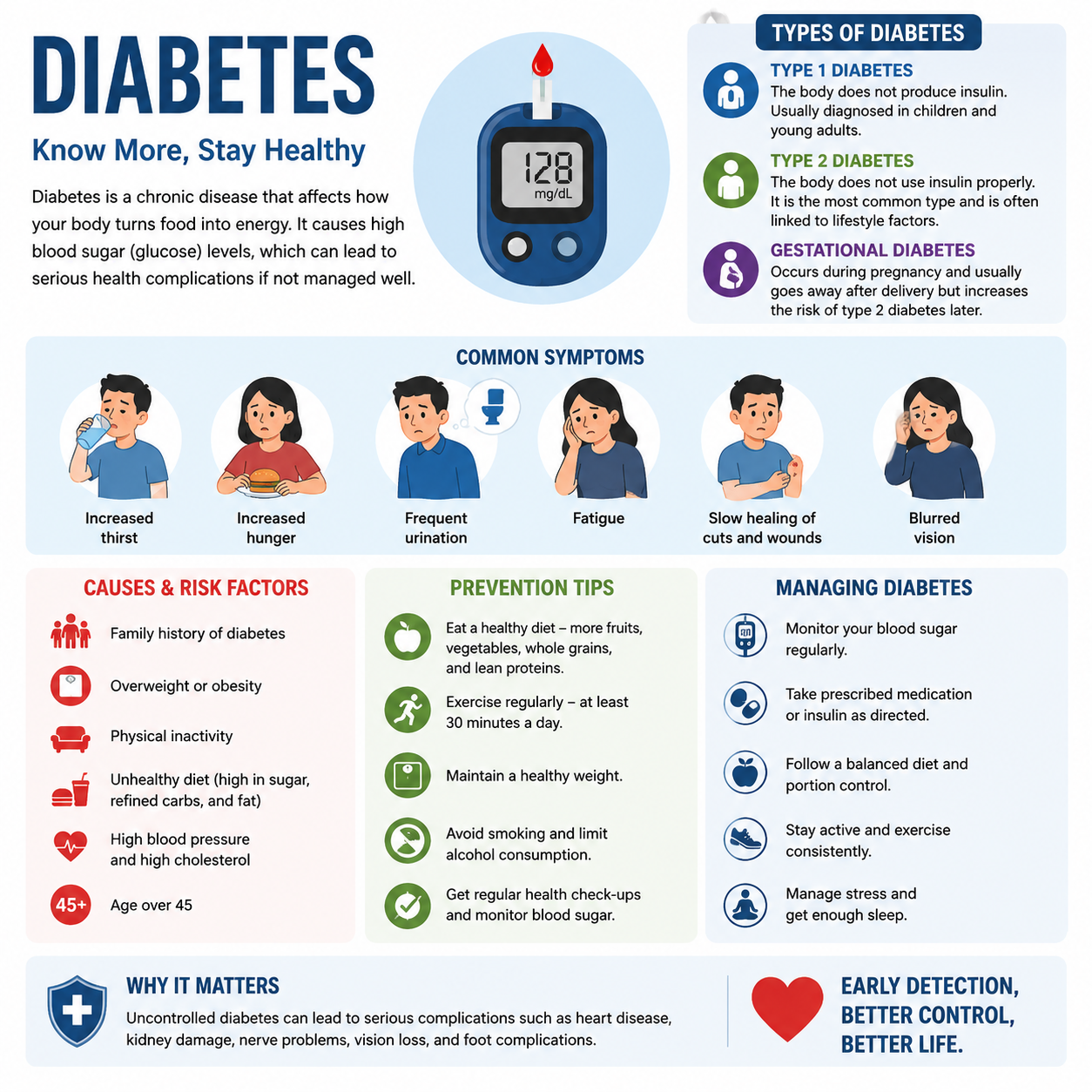
Diabetes is often described using a simple metaphor: a lock and a key. In a healthy body, the food we eat converts into glucose. This glucose then enters the bloodstream. To turn glucose into energy, cells require a chemical “key” to let it in. That vital key is insulin, a hormone produced by the pancreas. However, for hundreds of millions of people worldwide, the key is missing or broken. Sometimes, the lock itself is jammed.
Furthermore, the scale of this epidemic is truly staggering. In the United States alone, approximately 37.3 million people are reported diabetic, which represents about 11% of the population. On a global scale, the figures transition from a localized crisis to a worldwide tsunami. According to recent epidemiological data, healthcare workers estimate that 537 million adults currently live with the condition. Medical experts predict this figure will surge to 643 million by 2030. By the year 2045, the number could reach a staggering 783 million.
Notably, Diabetes mellitus is the technical name for the blood sugar disorders we commonly call diabetes. Conversely, diabetes insipidus is a rare fluid-regulation disorder. Though they share a name because both cause extreme thirst and frequent urination, they are entirely unrelated conditions.
Diabetes and its Core Global Classifications
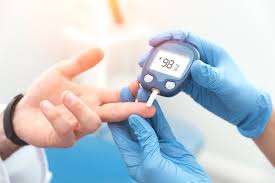
Diabetes primarily falls into three major categories, each with distinct causes, timelines, and biological mechanisms. Among them, Type 2 diabetes is by far the most common, accounting for 90% to 95% of all diagnosed cases. In this form of diabetes, the body either does not produce enough insulin or develops insulin resistance. As a result, the body’s cells fail to respond properly to insulin, preventing glucose from entering them efficiently.
Moreover, Type 2 diabetes poses a significant risk because it develops gradually and often goes unnoticed for years. In many cases, prediabetes precedes the condition. During this stage, blood sugar levels rise above normal but remain below the threshold for a diabetes diagnosis. Although both prediabetes and Type 2 diabetes are often asymptomatic in their early stages, acanthosis nigricans can serve as an early warning sign. This condition causes dark, thickened patches of skin to appear on specific areas of the body.
In contrast, Type 1 diabetes is an autoimmune disorder that typically develops in children and young adults. For reasons that researchers have not yet fully understood, the immune system mistakenly attacks and destroys the insulin-producing cells in the pancreas. Approximately 10% of people living with diabetes have Type 1 diabetes.
Furthermore, Type 1 diabetes develops rapidly, often within a few weeks or months. Without treatment, it can quickly progress into a life-threatening condition known as diabetic ketoacidosis (DKA). Common symptoms of DKA include vomiting, severe abdominal pain, labored breathing, and a distinctive fruity odor on the breath. Therefore, anyone experiencing these symptoms should seek emergency medical care immediately.
Across the Atypical and Rare Spectrum
Diabetes also encompasses a complex tapestry of rarer conditions beyond the well-known variants. For example, Type 3c diabetes occurs when the pancreas experiences physical damage. Non-autoimmune conditions like pancreatitis, pancreatic cancer, cystic fibrosis, or organ removal can cause this destruction.
Another rare form is Latent Autoimmune Diabetes in Adults, or LADA. This is a slow-progressing autoimmune form. It is highly similar to Type 1 but uniquely develops in adults over the age of thirty. Maturity-Onset Diabetes of the Young, known as MODY, is a genetic form. Moreover, an inherited mutation affects how the body makes and uses insulin. There are currently over ten distinct types of MODY. The condition strongly runs in families and affects up to 5% of diabetic people.
As the global medical community braces for the projected influx of hundreds of millions of new patients, the focus is shifting toward precision medicine. Recognizing that diabetes is not a one-size-fits-all disease is the first step toward better diagnostics, tailored treatments, and ultimate prevention. Hence, routine blood work remains the most powerful weapon against the silent progression of prediabetes and Type 2. In an era where a metabolic crisis looms large, checking the lock and key of our cellular health has never been more urgent.
Follow The World Times for more such updates!