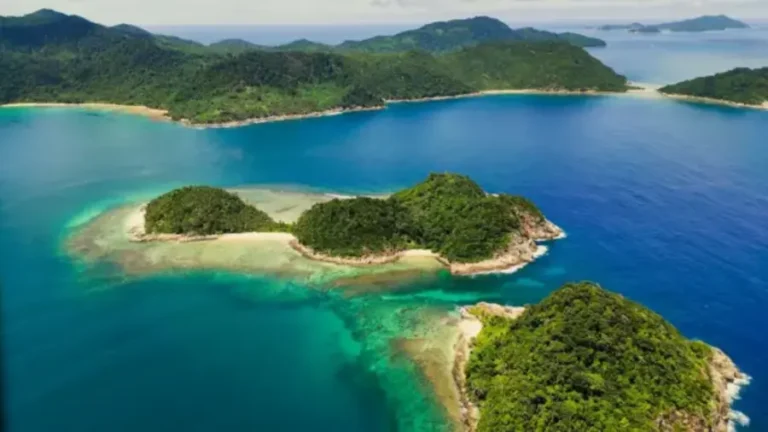
With wildlife trafficking pushing countless species toward extinction, 185 countries gathered in Samarkand today ,a global fight to protect the world’s most threatened species kicked off today as CoP20 to CITES opened in Samarkand, uniting 185 nations to regulate the multibillion-dollar wildlife trade.
Understanding CITES and CoP20
The Convention on International Trade in Endangered Species (CITES) is an international agreement designed to ensure that international trade in wild animals and plants does not threaten their survival. The Conference of the Parties (CoP) serves as the supreme decision-making body, meeting every two to three years to review progress and make key decisions on species protection.
CITES operates through a system of permits and certificates for import/export of species listed in three Appendices, which categorize species by their level of threat.
- Appendix I: Species threatened with extinction; commercial trade is generally prohibited.
- Appendix II: Species not currently threatened but that could become so without trade controls; Authorities issue permits to regulate trade and ensure sustainability.
- Appendix III: Species protected in at least one CITES Party country which has requested assistance from others to control trade.
The CoP is the highest decision-making body of the Convention, comprising all member countries (Parties). Its primary functions include, assessing progress in conserving species and enforcing the Convention. Parties consider and adopt proposals to change which species appear in Appendices I and II. Recommending measures to improve the Convention’s effectiveness and adopting the budget for the Secretariat.
Previous CoP Outcomes
CoP17 (Johannesburg, 2016): Adopted first-ever decisions on corruption, cybercrime, and demand reduction for illegal trade. Added all eight species of pangolins to Appendix I and brought numerous marine and timber species under CITES control.
- CoP18 (Geneva, 2019): Established the CITES Big Cat Task Force and adopted a landmark decision recognizing the critical role of Indigenous Peoples and local communities (IPLCs) in conservation.
- CoP19 (Panama City, 2022): Adopted most of the 52 proposals put forward, bringing many species of sharks, lizards, turtles, and over a hundred tree species under regulation. India’s proposals for enhanced protection of certain native turtles and the Jeypore Indian gecko were accepted. A resolution promoting the “One Health” approach to prevent pathogen spillover from wildlife trade was also adopted.
Global Participation: 185 Nations Unite
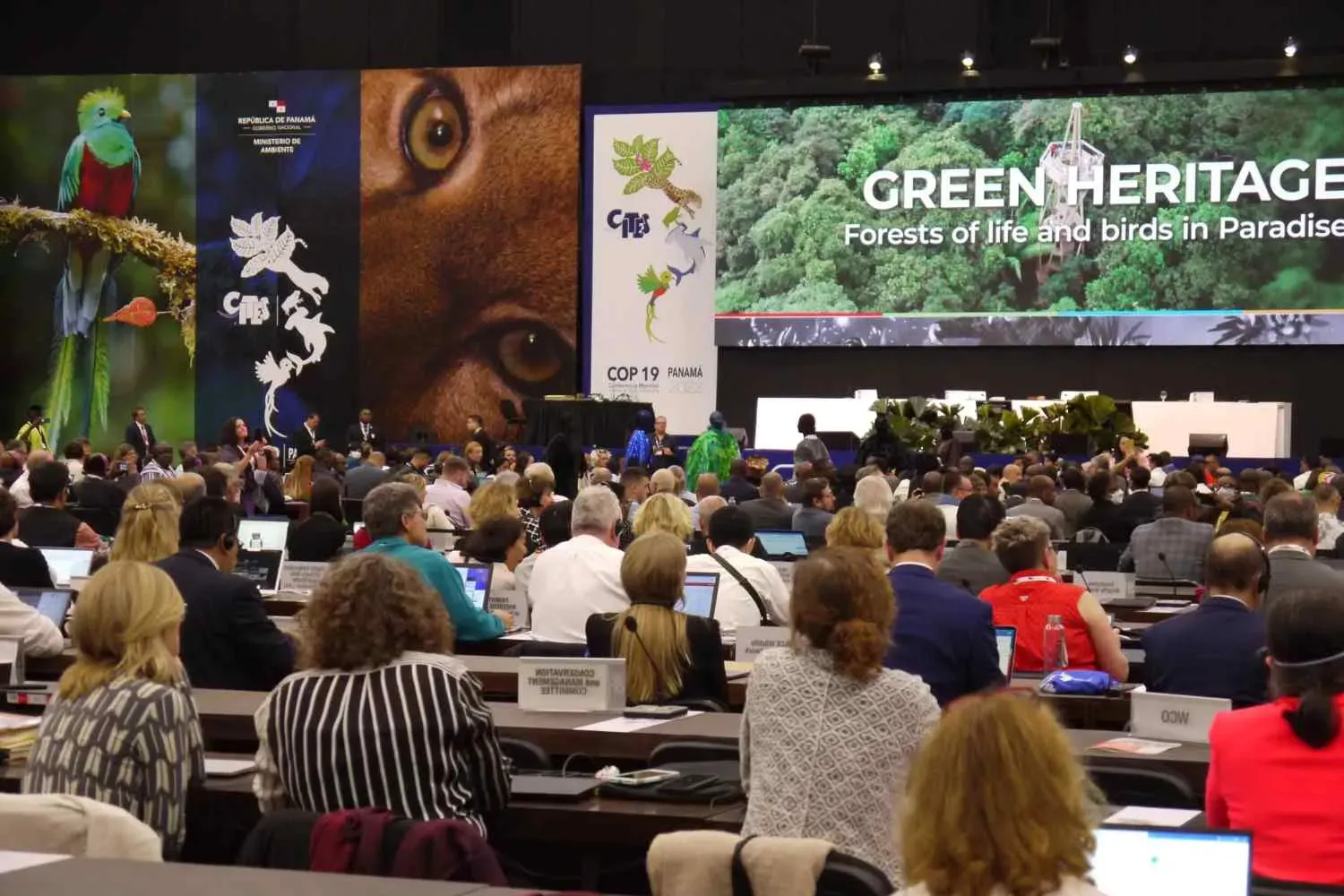
The Conference of the Parties (CoP) to CITES in Samarkand, Uzbekistan, hosted 185 parties, including governments, intergovernmental organizations, NGOs, and CITES members. Scientists provide technical advice, policymakers make decisions, NGOs and Indigenous communities advocate for conservation and ensure fair and effective implementation. Uzbekistan hosting for the first time is significant for Central Asia’s growing role in conservation and highlights the country’s commitment to international environmental agreements.
Hosting CoP20 is a major milestone for Uzbekistan and Central Asia, signifying the region’s increasing importance in global biodiversity conservation efforts. The location is significant because Uzbekistan is home to many species listed in the CITES Appendices, such as the snow leopard and saiga antelope, making it an ideal host for a discussion on their conservation. As the first time a Central Asian nation hosts, it represents the growing recognition of the region’s role in the convention and its ongoing work to manage international wildlife trade sustainably.
Key Agendas and Proposals on the Table
CITES addresses species listings, trade debates, and emerging threats like online wildlife trafficking primarily during its regular Conferences of the Parties (CoP), with CoP20 currently in session in Samarkand, Uzbekistan (Nov-Dec 2025).
Key Proposals at CoP20
Sharks and Rays: Proposals aim to include various commercially exploited aquatic species in Appendix II, or transfer some like the oceanic whitetip shark and whale shark from Appendix II to Appendix I, due to overexploitation.
Elephants and Rhinos: Namibia has proposed to resume limited commercial trade in registered stocks of raw ivory and rhino horns from specific populations, a proposal that has drawn considerable debate. Proposals to harmonize trade conditions for live African elephants from certain populations are also on the agenda.
Big Cats and Other Mammals: Proposals include uplisting the Okapi and Striped Hyaena to Appendix I for maximum protection and considering trade rules for populations of giraffe and saiga antelope.
Timber Species: Deliberations involve proposals for adding and annotating various timber species to the appendices to ensure sustainable and legal sourcing.
The main CITES debate focuses on whether full trade bans (Appendix I) or regulated sustainable trade (Appendix II) better protect species.
- Stricter Bans: Advocates argue that critically endangered species cannot withstand any commercial trade, pushing for Appendix I listings.
- Sustainable Trade: Others believe carefully controlled trade can support conservation and local economies, as seen in discussions on ivory and rhino horn.
- Enforcement Focus: Research shows that strong enforcement, regardless of listing category, is often the real driver of species recovery.
If the momentum seen on day one continues, CoP20 could mark a turning point. What happens in Samarkand won’t stay in Samarkand—it will echo across forests, oceans, and savannahs for years to come. As delegates prepare for days of tough negotiations, one truth is clear: protecting wildlife isn’t just a duty—it’s a race against time.
For more such informative articles stay tuned at The World Times.