Marvel’s Spider-Man returns after five years. This time he is older, lonelier, and much more human. Spider-Man: Brand New Day is less about the friendly neighborhood hero and more about the man under the mask. It is Peter Parker’s quest for selfhood and meaning. Apart from that, the movie is a quiet reminder of the humanity that prevailed in the earlier MCU saga.
Here is a list of key moments that impressed audiences.
(Disclaimer: This contains spoilers.)
Peter Parker or Spider-Man?
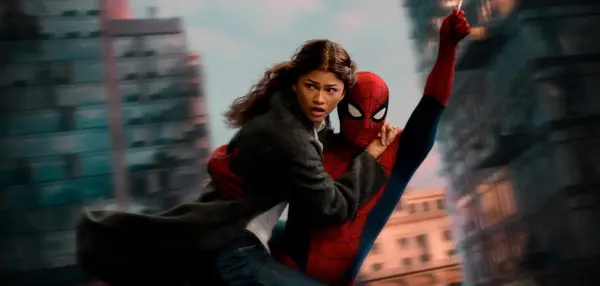
The core tussle for every Spider-Man has been keeping his identity private. After the events of No Way Home and ‘The Spell’, Peter Parker wiped out the memory of his existence. Spider-Man lived on while Peter had to struggle to keep up with life. MJ and Ned’s lives move on while Peter grapples to identify himself amidst the crowd.
Young audiences quickly resonate with Peter’s mental health struggles. The metaphor of the arachnid DNA fits perfectly with the alienation, isolation, and loneliness that Peter suffers from. Aloof and cast apart from peers, family, and friends, Peter increasingly suffers from DNA-altering breakdowns. The essence of human connection, which is a key element of the formation of one’s identity, is stripped away from him. Gradually, Peter becomes less of himself and more of the hero who saves the city.
Uncanny bonds with Frank or the city police don’t aid Peter’s condition. At the core, he is still Spider-Man, burdened with great responsibility. This mundane portrayal of a superhero makes Peter one of the most relatable characters out there. He is no longer Tony Stark’s little boy or a high school kid.
The Resurgence of the Hulk
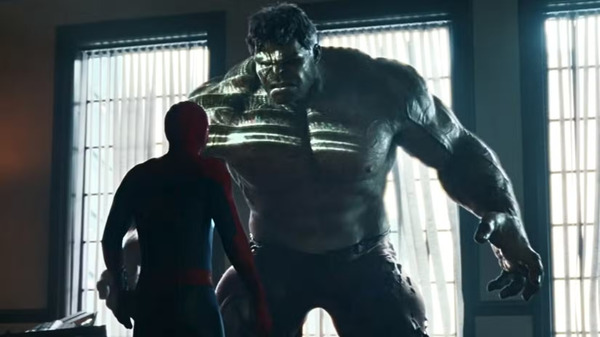
Bruce Banner and his raging Hulk have always been a fan favorite. However, the last time people saw Hulk in his full glory was probably Thor: Ragnarok. Banner’s experiments in controlling the Hulk and merging it with his own consciousness made him a domesticated scientific evolution. The pure rage of Hulk’s ‘smash’ and the childlike antics that once impressed audiences were quick to cool down.
Brand New Day solves that problem. Banner’s Hulk is let loose this time. He is fiery, angry, and stronger than ever. The Hulk rages in a way that was once forgotten. Banner’s sympathetic pleas and warnings about the Hulk’s rage hit the sweet spot again.
Jean Grey and The Outcasts

Jean Grey brings in a discussion on monstrosity and the struggles of being an outcast that have been time and again brought up. The movie focuses on the disastrous consequences of superpowers. Being a part of the mutant X-Men, Jean raises a question: whether the world will ever be kind to the ones who are different.
The unconventionality of power, along with responsibility, strips people like Jean and Peter of their individuality. They are simply pawns in the bigger scheme of things. Government conspiracies, past struggles, etc., have always eroded the inner humility and humanity of MCU characters. Be it Steve Rogers fighting against the very government which created him or Bruce Banner exiling himself, MCU characters have always faced a backlash for being who they truly are. This difference between the ideal self as conditioned by norms and the real self makes an interesting curvature.
Peter finally finds a sort of home with the alliance of Jean. Both are misfits, outcasts with a special gift. Yet the very same gift acts as their destructive agent. The loss of childhood innocence and a normal life is amicably shown through these two characters. The battle for a specific individual self, away from the spotlight, fights, and responsibility, is what they aspire for.
The Art of Acceptance

It is indeed a brand new day for Peter. The melancholic limbo where he watches his friends from afar yet has no power to approach them finally comes to an end. Peter loves MJ, but MJ does not remember him. A tiny inkling of familiarity draws MJ towards him, but she admits that he is not someone that she knows. MJ’s rejection of Peter is mature, and so is his reaction to it.
This acceptance finally makes Peter who he is. He has to take responsibility for being Spider-Man. And Spider-Man is a superhero, one who has to defy family ties in order to work for the greater good. Peter’s acceptance is the practical evolution of learning to let go due to circumstances. There’s a part of him that still yearns for MJ, but he knows that the grand scheme of events will not let that sustain.
The Power of Friendship and Remembrance
Finally, Ned provides the missing piece of Peter’s soul. The story retains the power of friendship as the ultimate guide to finding oneself. Ned’s obsession with Spider-Man, his muscle memory with Peter’s handshake, and his admiration of the young boy lead Peter to believe that he is still loved by the people closest to him. Perhaps that is what every outcast, every misfit, and every superhero needs to reassure themselves. And even after all the differences and the burden that they have to carry, there are still people who love them. There is a homely affection in discovering that long-lost love.
Peter finally comes of age in this movie. The existential threat that Peter had been facing due to his fragmented self-identity transforms him into a greater human being. He begins accepting the darker parts of himself while also letting go of the ones that he has no control over. It is a huge lesson for people of all ages.
Final Words on Spider-Man: Brand New Day
If you have been dissatisfied with the recent MCU projects, then Brand New Day is the perfect trip to nostalgia that you could visit right now. So grab your popcorn, buckle up, and watch the movie.
Follow The World Times for more such movie breakdowns!