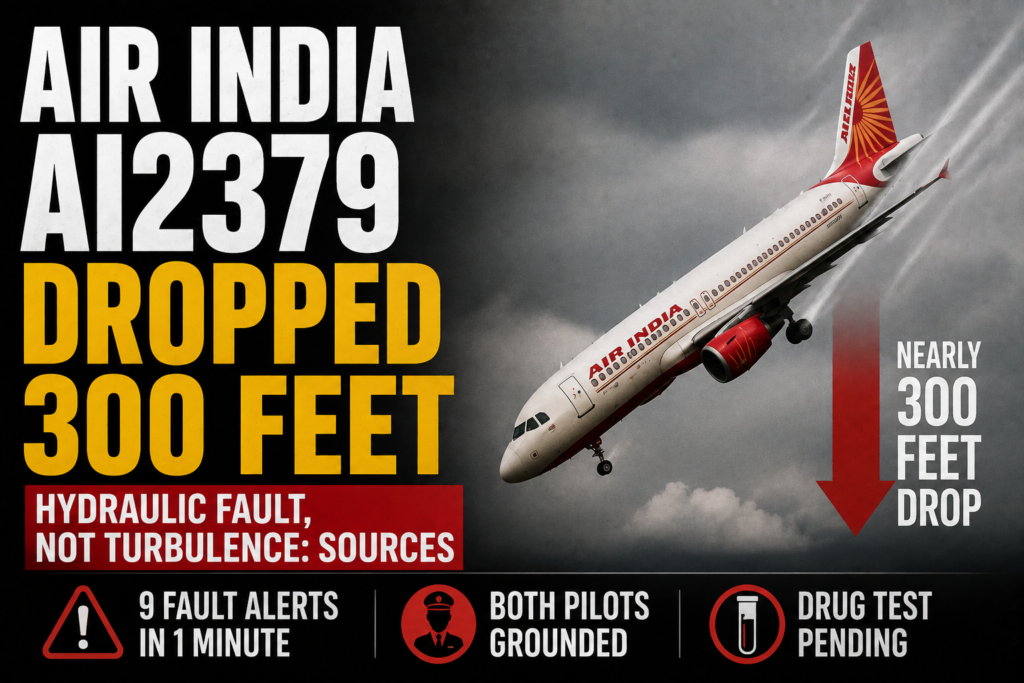
The Air India flight plunge has taken a dramatic turn. Sources now say a hydraulic and flight-control fault caused the 300-foot drop. However, turbulence did not, they said. This goes against the airline’s first public statement. Officials have since grounded both pilots. They have also ordered a fresh drug test on the lead pilot.
The Phuket-Delhi flight carried 137 passengers, including three infants, plus eight crew members. Seventeen people suffered injuries when the plane dropped without warning. The Air India flight plunge has grown into a major test for the airline this year. Moreover, it now sits with a special crash probe body.
What Caused The Air India Flight Plunge
Flight AI2379 left Phuket at about 6.56 a.m. IST on August 4. The Airbus A320neo plane flew normally for over two hours. Then, at 9.32 a.m. IST, trouble struck fast, sources said.
Low-pressure alerts hit the hydraulic systems first. Different parts of all three systems failed at different times. According to the pilots, this exact pattern is very rare. A post-flight report logged nine fault alerts in one minute. The Civil Aviation Ministry later confirmed the injuries. It also confirmed the aircraft landed safely in Delhi.
The aircraft’s nose pitched up during the fault sequence. A stall warning then rang out inside the cockpit. One pilot grabbed manual control right away. The pilot pushed the nose down hard, a source said. This input may have been sharp and forceful. As a result, the plane then lost about 300 feet within seconds.
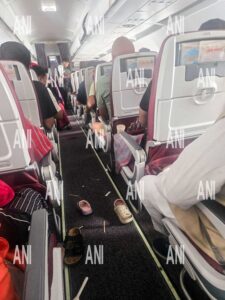
Passengers and crew were thrown upward by the jolt. No new fault alerts appeared after this point. Sources say the flight-control systems likely recovered on their own. Investigators still cannot confirm the exact chain of events. They must link the technical faults to the sudden altitude loss. For now, this remains the key question for the ongoing probe.
The pilots chose not to divert the flight. Delhi offered better hospitals and repair support, sources explained. Air India’s early statement had blamed turbulence. Later statements from the airline dropped that word. The Ministry’s own statement never mentioned turbulence. It also skipped any mention of a technical snag.
Air India has since asked Airbus for technical help. The airline now awaits answers to a detailed set of questions. The exact fault under review remains unclear for now.
Pilots Grounded, Confirmatory Drug Test Pending
Officials marked the Air India flight plunge as a serious case on August 9. The probe moved from routine DGCA checks to the crash investigation body. Both pilots came off the flight roster immediately.
The lead pilot’s drug screening returned a non-negative result, PTI reported. DGCA rules require a second, confirmatory lab test in such cases. However, experts say this result alone proves nothing yet. Both pilots remain grounded while the confirmatory test continues.
Air India said it knew about the screening process. However, it added that full results had not yet reached the airline. The airline says it fully backs the ongoing probe. Officials say further action will follow only after the probe ends. Pilots could face rehab steps if the test confirms a breach.
Officials have not named either pilot so far. The Ministry has kept both names private during the active probe. This is standard practice in flight safety cases.
A Pattern That Worries Regulators
This is Air India’s third altitude scare in fourteen months. Flight AI171 crashed near Ahmedabad in June 2025. That crash killed 241 of the 242 people onboard.
A separate flight, AI187, also dropped sharply that same month. It lost 900 feet shortly after leaving Vienna-bound airspace. Regulators grounded both of those pilots as well.
Checks on Air India have grown tougher since the Ahmedabad crash. The Air India flight plunge has added fresh pressure on regulators. DGCA has flagged repeat upkeep gaps across the airline’s wider fleet. Still, no wider fault has turned up across all A320neo jets.
No grounding order has followed this incident yet. Civil Aviation Minister Ram Mohan Naidu met injured flyers at Fortis Hospital. He assured them of full government support during their recovery. Two things will now decide what happens next. One is the pending confirmatory drug test. The other is the AAIB’s full technical report. Air India and Airbus have not answered detailed questions from this publication. Their answers could reshape the final findings.
Source : IE
Follow The World Times For Such Updates!