Original report by Reuters.
India Becomes an Active Player in the Fuel Market of the World
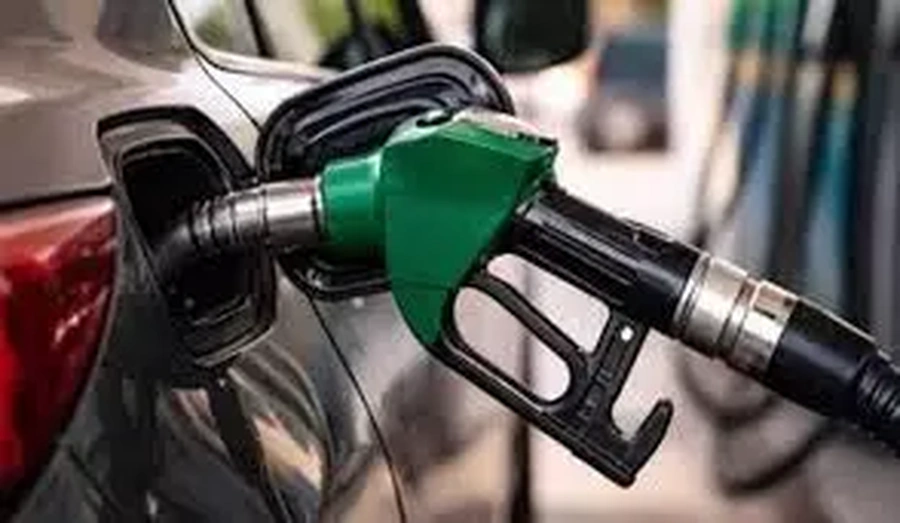
India is growing its presence in the fuel exportation field. Although it needs crude oil imports due to a lack of natural reserves, it has nevertheless emerged as a major fuel exporter thanks to its developed refining and export capacities. As a result, India acts as an influential player in the modern global energy landscape. Meanwhile, global supply chains are continuously adjusting, further highlighting the growing significance of the Indian refining sector in meeting international fuel demand. Consequently, this expansion marks a shift in how energy markets function across borders. Today, India serves as a reliable partner in the global fuel trade.
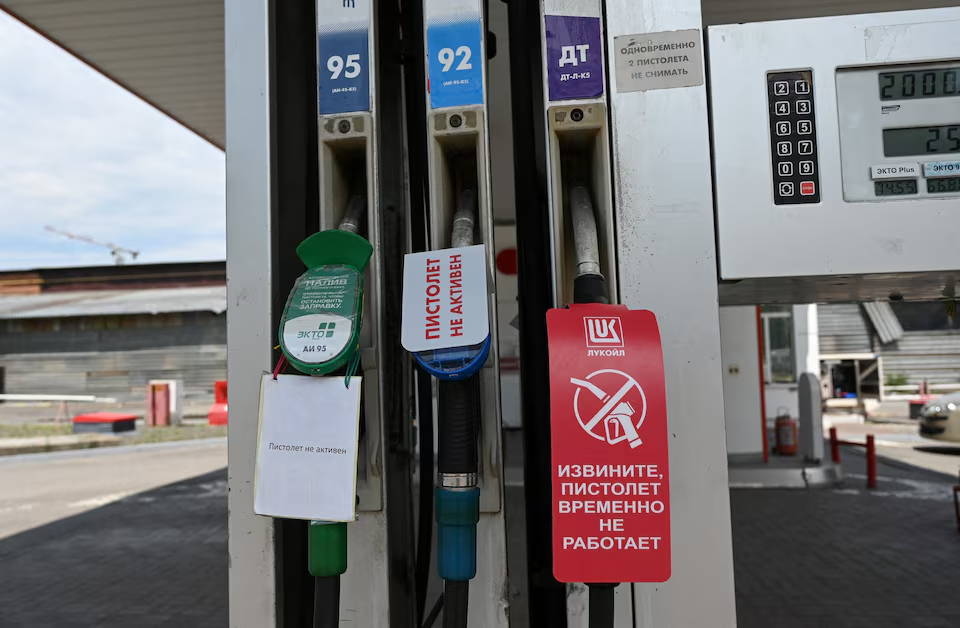
A prime example of this shifting dynamic is Russia—traditionally an energy titan—turning to India for gasoline imports to alleviate its own refinery-related shortages. By stepping in to fill these critical gaps, India’s refining sector continues to demonstrate its growing influence and agility on the world stage.
This unique trade relationship highlights an extraordinary reversal in traditional energy flows. While India continues to import record amounts of discounted Russian crude oil, it is simultaneously processing these barrels and shipping the finished gasoline back to Moscow via maritime routes. Driven by recent geopolitical pressures and infrastructure vulnerabilities abroad, this bilateral exchange underscores how critical secondary processing has become.
By leveraging its vast processing hubs, India has effectively decoupled crude ownership from refining supremacy, positioning itself as a foundational guardian of global energy security during times of unprecedented supply chain volatility.
Russia Buys Petrol against the Backdrop of the Evolution of Energy Markets
The Russia-Ukraine conflict has restructured energy markets. Supply lines have been interrupted, and fuel shortages have increased. In this instance, Russia buys petrol not because of a crude oil shortage. Instead, the shutdown of refineries has limited their capacity to produce fuel. Russia remains one of the largest producers of crude oil in the world. However, the destruction of refining facilities has caused significant problems with domestic fuel production. This scenario highlights the importance of refining infrastructure.
Energy Trade is an Answer to Supply Disruptions
Energy analysts say imports of refined fuels will aid in managing supply disruptions. Crude oil production alone does not ensure sufficient quantities of gasoline in the domestic market. Despite having enough crude oil, damaged refineries can cause fuel shortages. Thus, countries now rely on international trade to secure their fuels in case of supply disruptions.
For more such updates, follow The World Times!