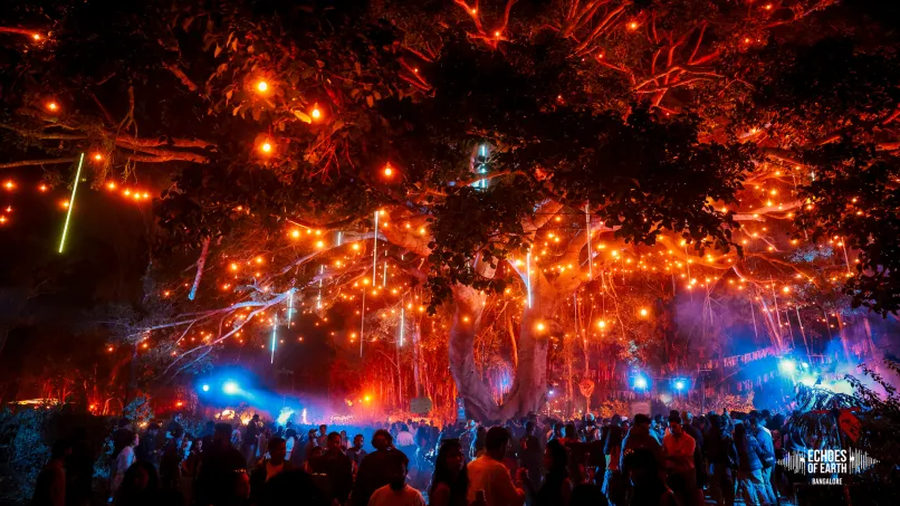
Thailand is known for its vibrant tourist destinations, Buddhist temples, nightlife, and cuisine. Hidden within its nightlife is a thriving underground music scene. Clubs across cities such as Bangkok and Phuket attract crowds eager to experience raw and experimental music. Unlike the mainstream industry, the underground scene showcases emerging artists who create fresh, unconventional sounds. These musicians attract loyal audiences through originality and creative expression. For them, music is more than entertainment. They use it to express artistic freedom, challenge conventions, and comment on social and political issues.
Rise of T-Pop and Independent Music Culture in Thailand
Thailand’s underground music scene has also contributed to the growing popularity of T-Pop worldwide. These spaces encourage artists to experiment with EDM, rock, alternative, jazz, punk, hip-hop, and electronic music. Independent musicians enjoy greater freedom to explore unconventional sounds and lyrics that rarely fit the commercial market. Bands such as Desktop Error and Yellow Fang embraced indie rock and alternative music. Their work earned dedicated fan bases in Thailand and abroad.
In the hip-hop scene, the group Rap Against Dictatorship released Prathet Ku Mee, a song that criticized the Thai government. The track received more than 117 million views on YouTube and sparked nationwide debates about freedom of expression. Bangkok’s Royal City Avenue has become a major hub for underground music. It houses popular venues such as Beam, Onyx, and Sing Sing Theatre, along with many other clubs.
Fusion of Tradition and Modernity

Thai underground musicians often blend traditional instruments with modern genres. They combine instruments such as the Ranat Ek and the Khim with indie, electronic, rock, and funk music. This approach preserves Thailand’s musical heritage while creating contemporary sounds. The Paradise Bangkok Molam International Band demonstrates this fusion in Roob Lor Pu Tai. The band incorporates the phin, a three-stringed lute, and the khaen, a bamboo mouth organ, into rock and funk compositions. Khun Narin’s Electric Phin Band also uses traditional Thai instruments to create distinctive melodies.
This fusion allows artists to preserve cultural traditions while adapting them for modern audiences. Musicians also express Thai identity through visual storytelling. Independent music videos often feature Bangkok’s busy streets, Yaowarat (Chinatown), temples, neighbourhood cafés, street food stalls, tuk-tuks, and local markets. Phum Viphurit’s Hello, Anxiety (2023), for example, portrays everyday urban life and contemporary Thai youth instead of glamorous commercial settings. These visuals keep the music connected to local culture and traditions.
Challenges Faced by the Underground Music Industry of Thailand
Despite its growing popularity, Thailand’s underground music scene faces several obstacles. Limited funding remains one of the biggest challenges. Independent artists often pay for recording sessions, production, and promotion themselves. Many depend on crowdfunding, merchandise sales, fan donations, live performances, or side jobs to finance their work. Unlike mainstream T-Pop artists supported by major labels such as GMM Grammy and RS Music, independent musicians have limited access to marketing and distribution networks.
Political censorship also affects outspoken artists. Rap Against Dictatorship faced official scrutiny after releasing Prathet Ku Mee. The music video referenced the 1976 Thammasat University massacre and criticized military rule. The underground scene also lacks dedicated performance venues. As a result, many musicians work full-time jobs because income from performances alone rarely provides financial security.
Sources: Bangkok Post, Dazel digital and Mixmag
Follow The World Times for more such updates.