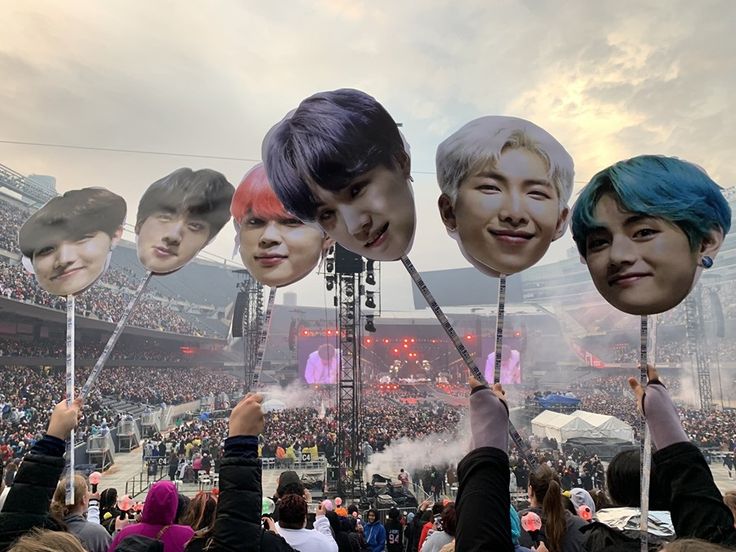
K-pop has revolutionized the Korean music industry. Fans engage deeply with their favorite idols not just through music but also through social media and fan events, blurring the boundaries that typically separate artists from their supporters. This connection has built a diverse community globally, creating a sense of belonging among fans. They often feel personally invested in the success and well-being of their beloved idols. As K-pop continues to gain popularity, this relationship only escalates and influences trends.
Fans are now seeking more than just music. They are consuming daily updates, livestreams, behind-the-scenes clips, variety show appearances, and even casual social media posts. This often leads them to unconsciously believe they are a part of their idols’ lives. Over time, many develop what psychologists call “parasocial relationships”. This term usually refers to one-sided emotional bonds in which a person feels close to a public figure they don’t personally know.
In K-pop, this occurrence is clearly visible. Fans of bands like BTS, BLACKPINK, and TWICE often speak about the members as if they were friends or mentors. Sometimes they even imagine wild fantasies of them as partners!
Why Emotional Attachment Develops
The loneliness experienced by Gen Z is particularly pronounced in the wake of the pandemic, ongoing geopolitical conflicts, and job market struggles, and is aggravated by the rise of artificial intelligence. Most teenagers and youth are living in a world marked by isolation, where social interactions have been reduced to mere digital communication. What a great paradox it is to be constantly connected yet so deeply forlorn! Feelings of disconnection and insecurity arise mainly from the tension surrounding employment in a rapidly evolving job landscape and the continued lack of understanding from families who push them towards traditional pathways. All of these factors combine, leaving many in Gen Z yearning for authentic connections and a stable future.
K-Pop Bands and Mental Health Initiatives: BTS
Meanwhile, K-pop bands create a feeling of familiarity. Groups like BTS openly discuss topics like anxiety, depression, and self-acceptance, encouraging their fans, known as ARMY, to prioritize their mental well-being. By breaking the stigma surrounding mental health, BTS empowers its fans to seek help and share their experiences, creating supportive communities. The lyrics of the song Blue & Grey, given below, prove this:
Is it anxiety or depression?
Am I just an animal that regrets
Or is it me born out of loneliness?
I still don’t know, the ferocious blue
I hope I don’t get eaten away, I’ll find the exit
Click here for the full song with lyrics.
K-pop agencies train and encourage idols to interact frequently with fans through apps and social platforms. This repeated exposure builds a sense of continuity, which the human brain naturally interprets as closeness.
K-Pop: How Social Media Boosts Intimacy
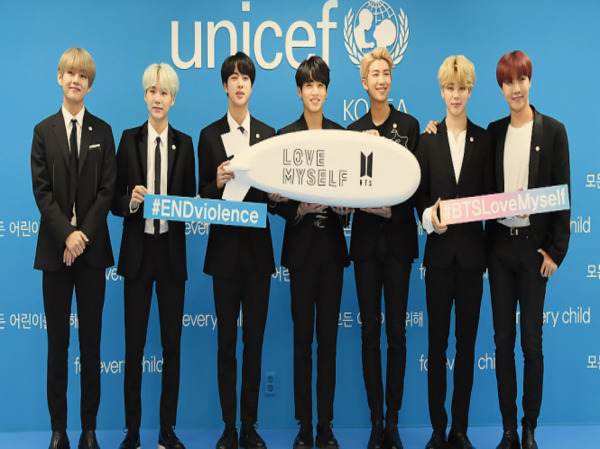
Social media plays a central role in strengthening these connections. Platforms allow idols to post directly without media filters, which reduces perceived distance. A short message like “I miss you,” or a selfie taken after practice can feel highly personal when it appears in a fan’s feed. A major reason parasocial bonds form so strongly in K-pop is access. Fans are not only exposed to polished performances but also to personal, seemingly unfiltered moments. Vlogs, livestream chats, “day in my life” content, and reality shows promote engagement. When an idol shares struggles, jokes, or small routines, it can feel like direct emotional communication, even though it is broadcast to millions.
Livestreams intensify this effect. When idols respond to live comments, laugh at jokes, or acknowledge specific fans in real time, it creates an illusion of two-way interaction. Even though the scale is massive, the experience feels individual. This is why platforms like Weverse, Instagram, and TikTok have become powerful tools in K-pop fandoms.
K-Pop: A Remedy for Loneliness and a Supportive Community
For many youngsters who come from unsupportive families, these parasocial relationships develop even in a greater scale. For them, K-pop idols often fill the emotional vacuum in their lives. The stability and comfort these figures provide can be especially valuable for those lacking encouragement and understanding at home. For instance, BLACKPINK serves as a symbol of empowerment over the globe. The female band has encouraged young women worldwide to embrace their strength and make their own choices. Songs like “Kill This Love” emphasize the importance of autonomy and breaking free from unhealthy relationships. The group’s narratives often focus on confidence and self-expression, inspiring fans to pursue their dreams without fear of judgment.
K-Pop Obsession and Its Dangers
These fans may find solace in the curated lives of idols. They offer a sense of companionship and depth that is missing in their personal relationships. The consistent narratives of positivity and success portrayed by idols can provide much-needed support during times of emotional struggle. Yet this emotional support can become tricky when fans start to expect more than reality offers. It is important to recognize that the polished image of their idols does not reflect the messy, complicated nature of real relationships. Real relationships are nuanced because no human being is perfect, and not every expectation can be fulfilled unless it is communicated explicitly.
Some fans spend an excessive amount of time writing and reading fanfiction. While fans consider it a fun, creative outlet, they may also develop unhealthy obsessions about the idols’ real lives. While it is considered a fun, creative outlet for fans, it may also foster unhealthy obsessions with the idols’ real lives. Fans often forget that these idols are separate people with private lives, which leads them to violate boundaries and engage in undignified, intrusive behavior. Unfortunately, some fanfiction glorifies harmful stereotypes or narratives, including abuse. Fans need to engage with their favorite idols respectfully and remember the difference between their public personas and their actual selves.
For many young fans, all of this can be a hard fact to digest as they seek comfort and inspiration from their idols. These one-sided connections may seem blissful. But balancing that admiration with the realities of life must become a part of the journey.
Negative Side of the K-Pop Community
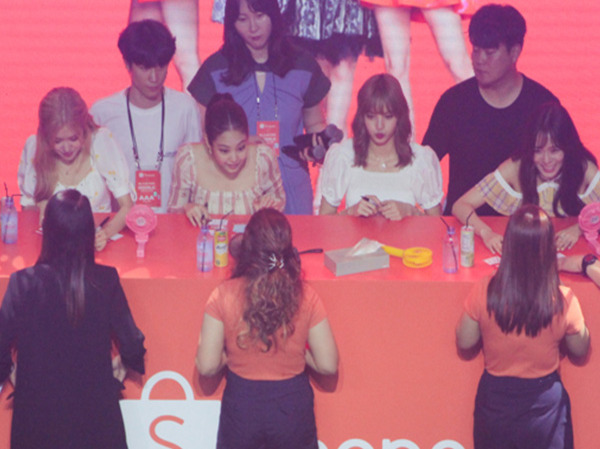
Interestingly, parasocial relationships in K-pop don’t exist in isolation. They often lead to large, active communities. Fans connect through shared admiration, creating friendships, online groups, fan projects, and even offline gatherings. Shared excitement over comebacks, concerts, or awards builds a sense of collective identity. However, as with every cloud, there is a silver lining: fans often lose sight of their identity while mindlessly following an idol’s achievements.
Fandom culture can also become competitive or toxic. Disagreements over rankings, “bias” choices, or perceived favoritism can escalate quickly online. In extreme cases, individuals can over-identify with idols, leading to emotional dependency where they neglect real-life relationships in favor of virtual ones. This also creates pressure on idols themselves. The expectation to constantly appear available and emotionally responsive can be exhausting, as their public image must balance authenticity with professionalism.
BTS members have faced numerous challenges stemming from toxic fan behavior. These include threats and harassment over false dating rumors. The obsession of some fans has led to accusations and direct threats, particularly when the group collaborates with other production houses or artists. Some fans attacked Suga for giving credit to the group Big Bang during an interview, even claiming the legendary group was “using” BTS for clout.
A Relationship Shaped by Modern Media
Parasocial relationships are not a new phenomenon, but K-pop seems to take them to another level. With the constant online interaction and the engaging stories that artists share, fans feel a deep connection. This creates a special environment where admiration, comfort, a sense of identity, and community all blend together. It’s like a shared journey that fans experience with their favorite artists, making the bond feel more personal and real.
At its core, this phenomenon reflects something very human: the need for connection. In the age of K-pop, that need is met through screens, music, and carefully shared moments that feel personal, even when they are shared with millions at once.
Follow The World Times for more such updates.