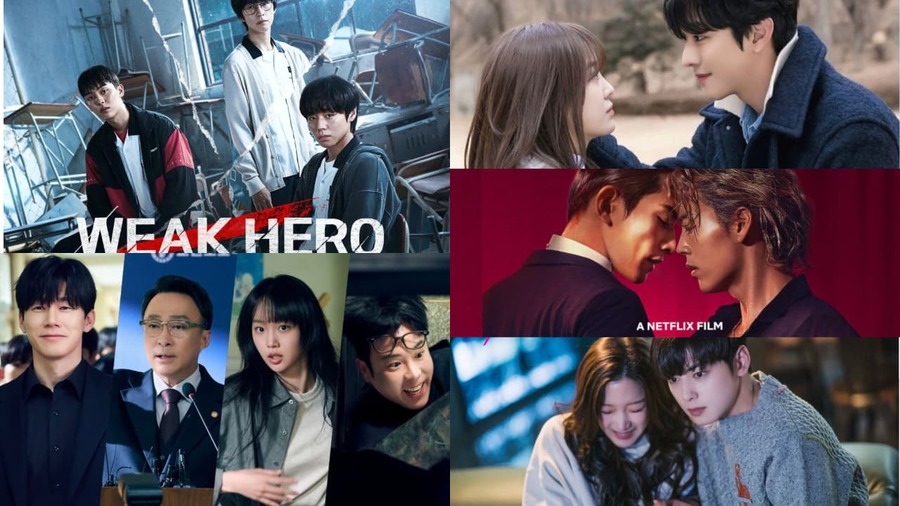
Manga and webtoons are no longer limited to readers. Many have gained a second life through live-action films and television series. From action dramas like Weak Hero to romantic comedies such as True Beauty and Business Proposal, and slow-burn stories like 10DANCE, adaptations have become a major part of the entertainment industry.
Yet a successful adaptation needs more than a popular source material. Actors, directors, and visual presentation all shape the final result. Their contributions often determine whether an adaptation becomes truly memorable.
Risks for Producers and Directors
Whenever a human adaptation of such e-comics is filmed, it makes the producer feel more confident rather than risk, because there already exists a fan club of the concerned comic, adapting a hit. And when an adaptation is announced, it sort of becomes a responsibility of the director to project the emotions and scenes as they originally are. Or if not exact, then set an atmosphere that doesn’t disappoint the readers and followers. Therefore, the rating of such series is like a cumulative excitement of both the readers and viewers at the same time.
Actors’ Contributions to Manga and Webtoon Adaptations
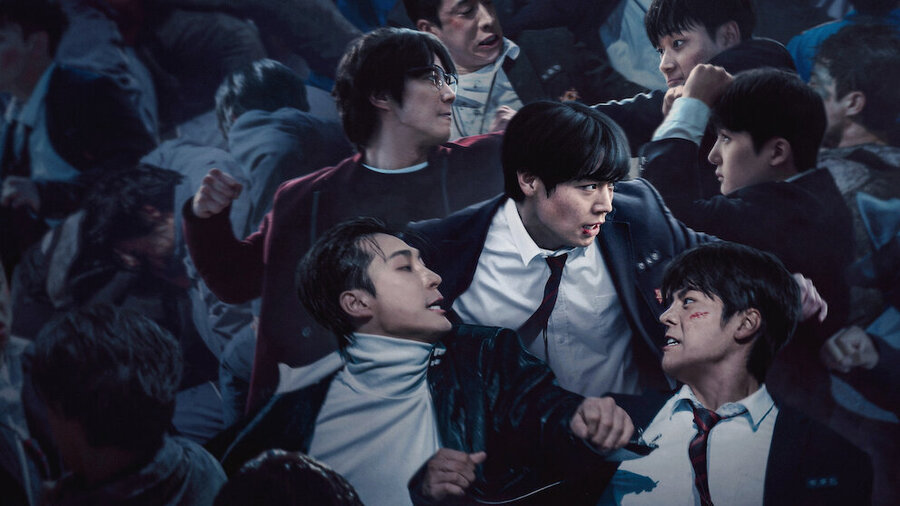
Why Weak Hero Is a Successful Adaptation?
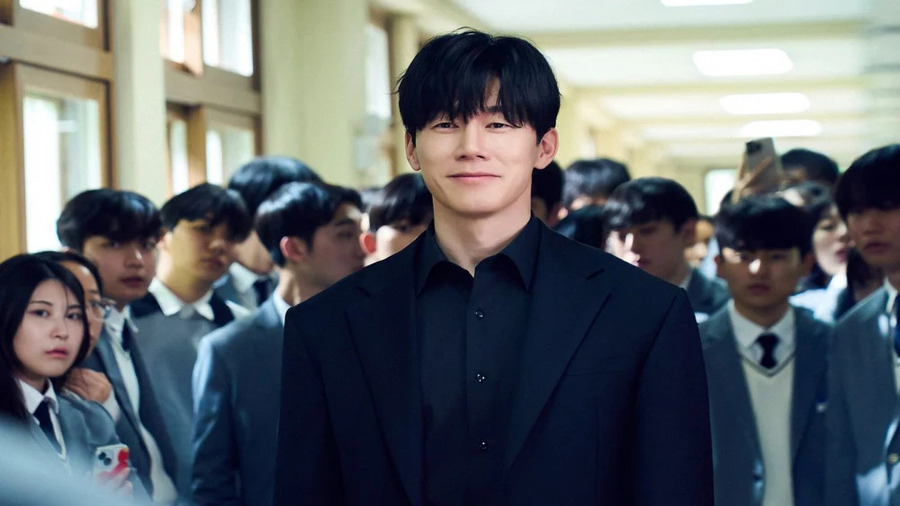
For instance, in the Weak Hero, Park Ji-hoon (Playing Gray / Yeon Si-eun from the comic) portrayed some of the deepest emotions. Whether it be guilt, sadness, friendhsip or rage, all these emotions were visible through Ji-hoon’s restricted expression. Ahn Su-ho (Played by Choi Hyun-Wook) expressed his genuine companionship towards Yeon Si-eun. It was visible in the eyes, words, and actions.
The director changed the story of Weak Hero Class 1, making Su-ho an ex-MMA trainee and hospitalised due to a fight, which in the webtoon was the opposite. Even in Class 2, Bak Hu-min and Na Baek-jin’s connection to Na Baek-jin’s (Played by Bae Na-ra) death and Donald Na’s death had completely different reasons. Though there were many changes, the emotional core of the characters remained intact. This adaptation, despite being different from the original story, has created such a huge fan base that fans are demanding its 3rd season.
The Role of Cinematography in Bringing Adaptations to Life
And not just the actors, but the camera setting and cinematography too play a huge role. Especially in action and comic adaptation. Another example is the ongoing series Teach You A Lesson, which is an adaptation from the webtoon “Get Schooled”. The drama adaptation makes the action and fighting part thrilling and interesting due to its camera settings. The movement of the camera with the hands of the characters, especially in Episode 7, when Na Hwa-jin (Kin Mu-yeol) and Im Han-rim (Jin Ki-joo) go to rescue Bong Geun-dae (P.O), the whole fight was like playing a video game. Especially whenever Hwa-jin is about to hit anyone, the close-up of his raised hand was like a ring in my mind.
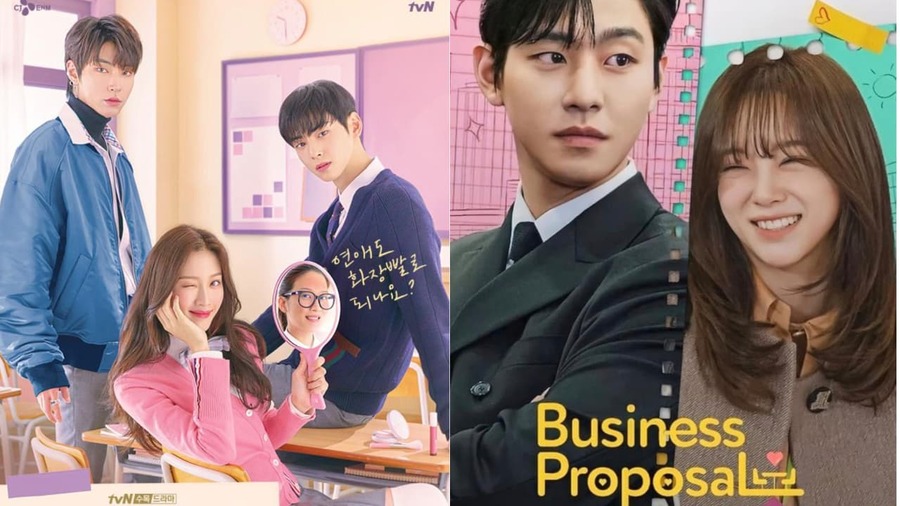
Other examples are like True Beauty or Business Proposal, the humour was not just a mere laughing stock, it was like an entry door to the K-world for many people, giving them access to varying and diverse streaming choices that exist out there.
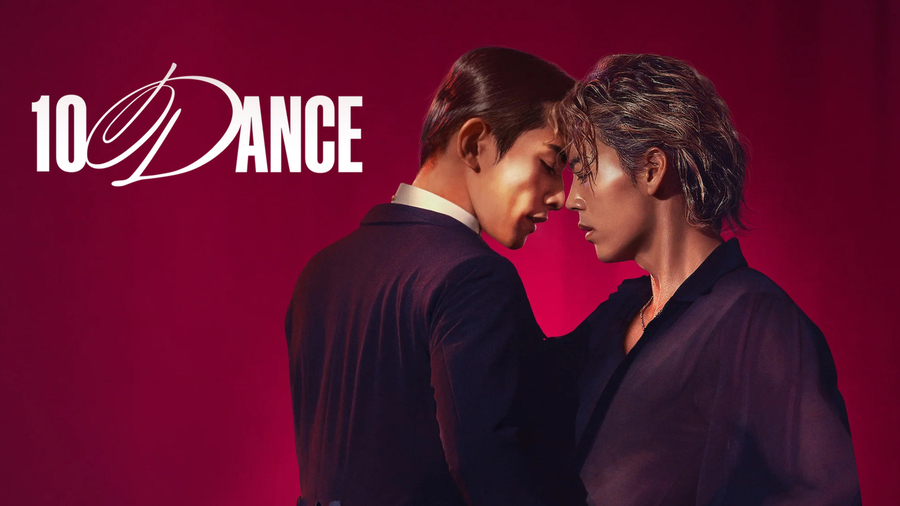
And the recent 10 Dance, a manga whose adapatation is was made into a movie in 2025 starring Ryoma Takeuchi as Shinya Suzuki and Keita Machida as Shinya Suzuki. The movie explores an intense slow burn, with the actors bringing the characters and their emotions to life. From connection, bond, denial and acceptance.
It was mainly the natural jealousy, anger, and helpless love that made the intimacy piping. Though the manga is still ongoing, the open-ended ending with the public reveal makes the fans look forward to the 2nd part and stick to the manga.
Do Manga and Webtoon Adaptation Always Work?
However, not every adaptation becomes a hit. Many fail to attract the same fan base or excitement as the original comic. Viewers often point to Cheese in the Trap, Orange Marmalade, and even Nevertheless as examples, despite the latter’s global popularity. Some adaptations fail to connect with audiences the way the source material did. Others lose a key element that made the original story stand out. As a result, they struggle to capture the identity and charm of the comic.
Conclusion
Webtoons may provide the story and a loyal fanbase, but a successful adaptation depends on more than a popular source material. Through their voice, expressions, and screen presence, actors add a human touch that drawings alone cannot offer. This ability to bring familiar characters to life is what helps many webtoon-based K-dramas connect with both existing readers and new audiences.
For more such content, stay tuned to The World Times.