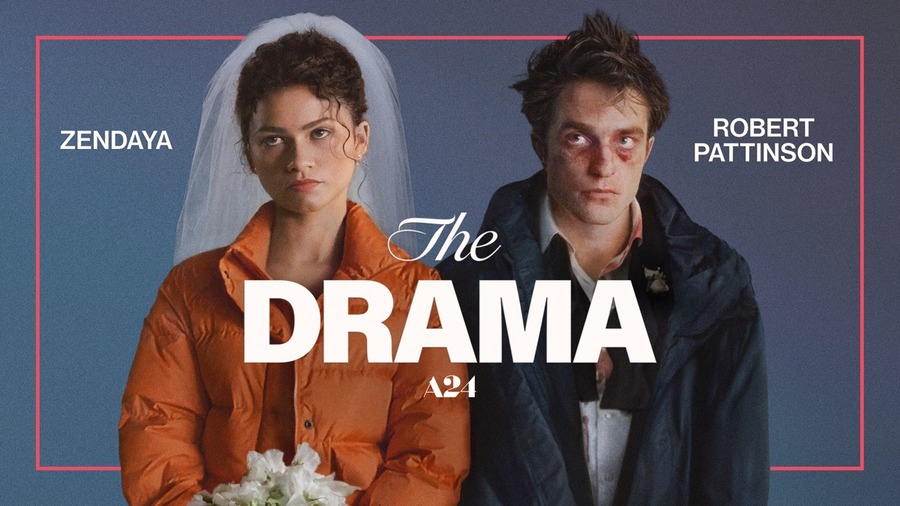
Kristoffer Borgli’s The Drama (2026) is a romantic black comedy film starring Zendaya and Robert Pattinson. The film follows the story of a happily engaged couple whose seemingly perfect relationship is put to the test after a drunken conversation. It delves into themes of morality and second chances. Read to know what goes right and what goes wrong in the movie.
(Disclaimer: This review contains spoilers.)
Premise of The Drama
What works for the Film
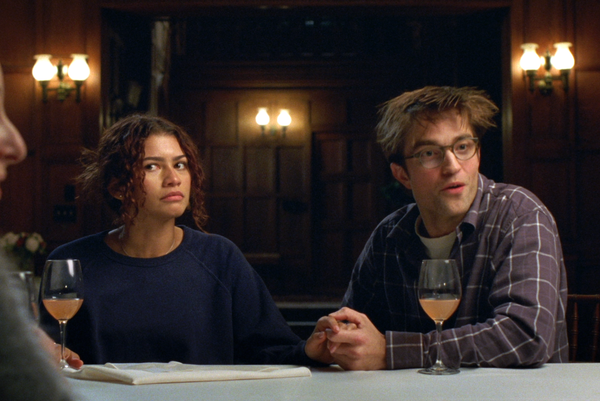
Strong performance from the cast uplifts the movie. It has Pattinson, Zendaya, and Alana Haim embody their characters. They are the people we encounter in everyday life, riddled with imperfections.
Charlie’s Physical Drama
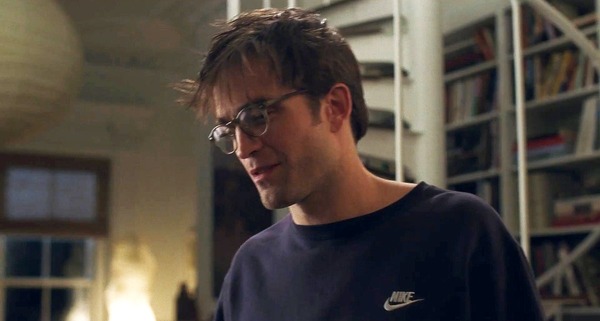
Pattinson delivers an awe-inspiring physical act in the film. It is not his words that provoke the audience. Rather, it’s more of a visceral reaction that he emits. From the beginning, the movie establishes that Charlie has always been a perfectionist. For instance, he revises his wedding script for the millionth time. Likewise, his first date is to pretend to have read the same book. In other words, he tries to be the “perfect man.”
However, underneath this facade of perfection lies the obsessive lover. He cannot come to terms with Emma’s shooting persona. Consequently, with sweat dripping from his forehead and a horrifying shock on his face, Pattinson is haunted by his fiancée’s younger self. As a result, he is wracked with anxiety.
Furthermore, Pattinson’s sheer physical prowess to embody Charlie’s disgust evokes a bodily repulsion in the audience. It is as if the audience lives in Charlie’s despair. Moreover, he fails to get his wedding photos right. He retracts at Emma’s touch. Meanwhile, his forehead throbs throughout his wedding. Ultimately, this is a perfect depiction of someone who feels betrayed in love.
Emma’s Classic Act

Juxtaposed to Pattinson’s powerful act stands Zendaya’s subtle and polished pose. She is elegant. Harsh things do not affect her much. She has a wonderful softness where she is willing to start things over. Emma knows the power of second chances.
Additionally, the scenes where Emma throws up on remembering her previous life add to the visceral expulsion provoked by Charlie. Yet she is not desperate like Charlie to fix things up in a day. Even when Rachel ditches her at her job, she appears calm. Her calculated movements strike a contrast to Charlie’s abruptness.
Interestingly, Emma’s calmness makes her uneasy. She doesn’t act physically as Charlie does. The audience cannot get a grip on what is going on inside her.
The scene where the couple attempts a wedding dance is one of the best scenes in the movie. It shows the difference in the characters so well. While Emma tries to give it her own touch, specific nuance, Charlie is fine with what happens. This is the dynamic that the couple carries on throughout the movie.
Rachel is the Audience’s Alter-Ego
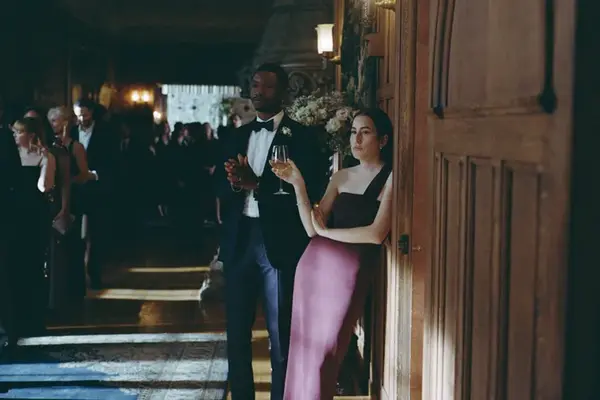
Alana Haim shines as Rachel in the second and third acts. Her acting gives the character real depth. Rachel is not someone who can let things go easily. Instead, she speaks for the audience, even though her own morals are deeply flawed. Rachel did something much worse to a child in her past. Yet, she still cannot forgive Emma for just thinking about a shooting.
In many ways, Rachel is the most interesting person in the film. Her biased view of the world sets her apart from both Emma and Charlie. Because of this, she gives a passive-aggressive speech at their wedding. This speech starts a chain reaction that shames the couple in public. Suddenly, private secrets are out in the open.
As the film ends, the pieces of the fight come together. During a heated moment, Charlie admits that he cheated on Emma. Right after that, Emma runs out of the wedding.
In the end, the movie asks if the couple can move forward. Can they give each other a second chance, just like on their first date? The film shows a loop where public actions shape private desires.
Key Themes Addressed in The Drama
The drama addresses several themes. It converses with the American shooting pandemic, morality, obsession, and perfection. Most importantly, it is a note on how there can be parts of people completely unknown and unindulged with. Together, this concoction of themes makes it entertaining.
Shooting and Its Repercussions
The idea of school shootings among teenagers is further expanded into Emma’s sense of alienation. Peers bully her, she has low self-esteem, and thus, hatred and violence seemed the only way for her to gain an identity. Yet, she is not without empathy. She backs off before the crucial moment, reverberating the consequences.
Emma’s character is a trope – a seemingly bad person with a tragic backstory. The movie intentionally removes the racial aspect of Emma’s identity. However, the theme could have showcased the real repercussions and triggers that a person like Emma might face.
Morality and Second Chances

The Drama is a morality play of the twenty-first century. So many opinions clash in the movie. Rachel projects her bias towards Emma for her personal reasons while ignoring her own faults. Charlie obsesses over the fact that he never knew Emma’s side of the story. He cheats and hides it from Emma, thus raising the question: who is better among them?
Mike had almost brutally injured his girlfriend in the dog attack, but it is still seen as a lesser evil when compared to Emma’s thoughts. The film provokes – Can people really blame someone for having disruptive thoughts until they commit them?
Finally, it deals with the question of love and second chances. Emma, who has been kind enough to give herself another chance, knows the value. From the very beginning, she has always given Charlie a “second chance.” Yet Charlie is the one who has to learn to give himself the humility of starting over.
Emma led the role play for starting over. Will the couple succeed?
Final Words
Therefore, if you have watched the film, you are probably uneasy. If you haven’t, you should definitely watch it to answer some disturbing questions.
Follow The World Times for more breakdowns of and discussions on films.