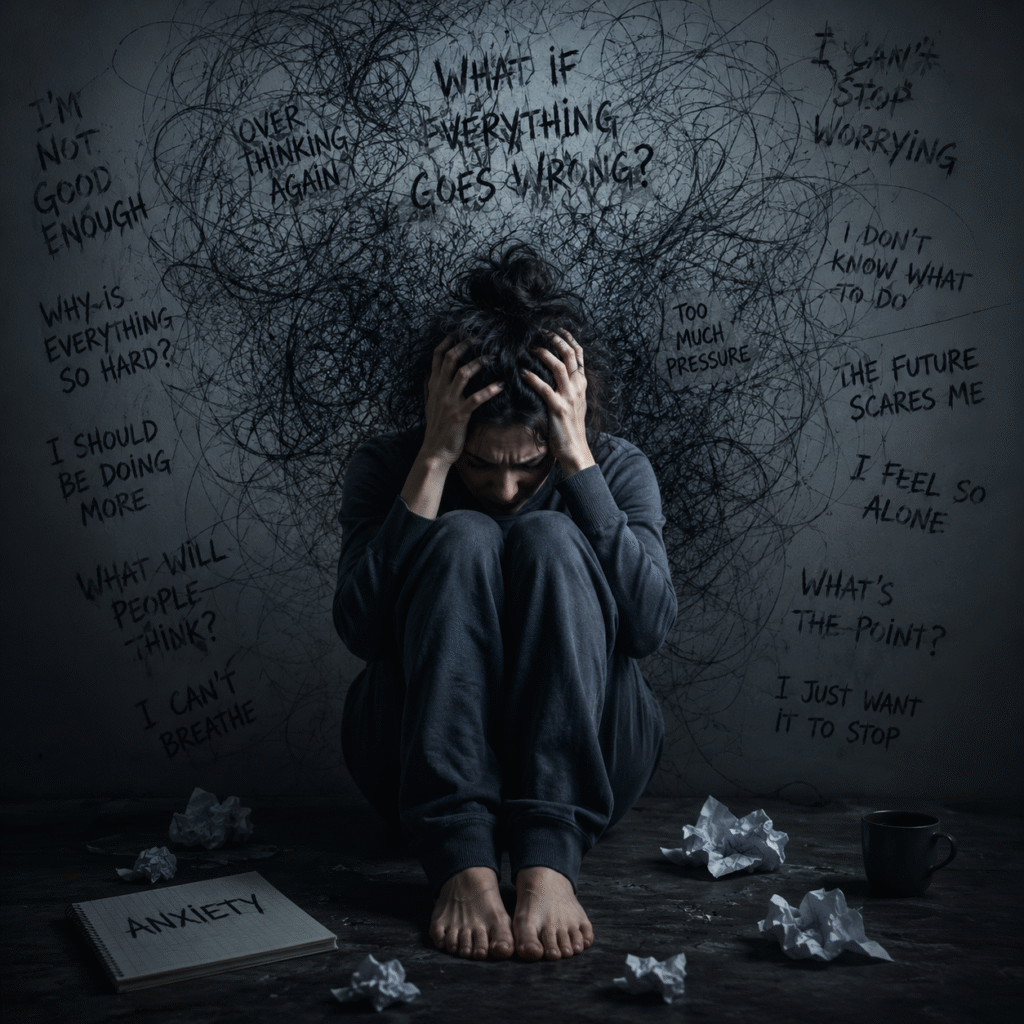
In today’s fast-paced world, many people experience constant worry that extends beyond ordinary stress. Anxiety is a natural emotion that causes feelings of tension, persistent worry, and physical changes such as an increased heart rate. Various factors can trigger anxiety, including examinations, traumatic experiences, challenging life situations, concerns about future events, and uncertainty. Common symptoms include dizziness, shortness of breath, insomnia, loss of interest in daily activities, and a rapid heartbeat. Mental health professionals classify anxiety into several categories, including Generalized Anxiety Disorder (GAD), Separation Anxiety Disorder, and Social Anxiety Disorder.
Importantly, the World Health Organization defines health as a state of complete physical, mental, and social well-being. Therefore, mental health plays a vital role in overall health and well-being. Despite this, the stigma surrounding mental health continues to discourage many individuals from seeking professional support from therapists, counselors, or psychiatrists. Many people fear that others will judge them negatively or label them as “mad” simply for seeking help for their mental health concerns.
What Are Some Ways to Reduce Anxiety?
Box Breathing and Coming To The Present
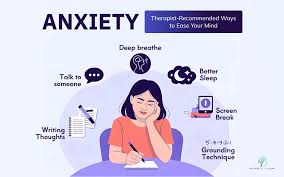
For temporary reliefe from anxiety you can try to slowly shift your focus by either breathing or grounding excersises. Box breathing states to inhale-hold-exhale-relax each at the count of four. Alternatively you can also try to look around 5 things you can see, 4 you can touch, 3 you can hear, 2 you can smell and 1 you can taste which is also known as 5-4-3-2-1 coping strategy distracting yourself from the trigger and grounding yourself to the present.
Alcohol and Smoking: Temporary Relief, Not Solutions to Anxiety
People often choose to drink alcohol or smoke to find relief from everyday problems, stress, or anxiety. However, this provides only short-term relief and can eventually lead to addiction. In fact, research suggests that after quitting smoking, some people may feel anxious or irritable for a few days. However, their mood generally improves within 3 to 6 weeks.
Ask For Support, Share Your Feelings: No Battle Needs to Be Fought Alone
When facing difficulties, it is always advisable to reach out to friends, family members, or professional support if needed. It is okay to ask for help, and sometimes you simply need someone to listen. Therapists often mention that support does not necessarily have to come from another person. You may find comfort in talking to your pet, writing in a diary, or maintaining a journal.
Aromatherapy and Herbal Tea Reduces Anxiety
Experimenting with aromatherapy can be a simple yet effective way to ease stress and create a sense of calm. Because the sense of smell is closely connected to the brain’s emotional centers, soothing scents such as lavender, bergamot, and chamomile may help promote relaxation and reduce feelings of anxiety.
Healthline notes that lavender aromatherapy has been associated with improved mood, lower stress levels, better sleep quality, and a calmer nervous system. Adding a few drops of essential oil to a warm bath, using a diffuser during the evening, or incorporating calming scents into a bedtime ritual can help signal to the body that it is time to unwind.
Pairing this practice with a warm cup of chamomile tea can further enhance relaxation. Chamomile contains apigenin, a natural plant compound that may interact with brain receptors linked to relaxation and sleep. As a result, many people use chamomile tea to reduce tension and support restful sleep.
(Disclaimer: These startegies offer temporary reliefe and cannot replace professional therapy or counselling.)
Follow The World Times for more such updates!